Why Do Huskies Scream? 4 Main Reasons & How to Prevent it


In this article
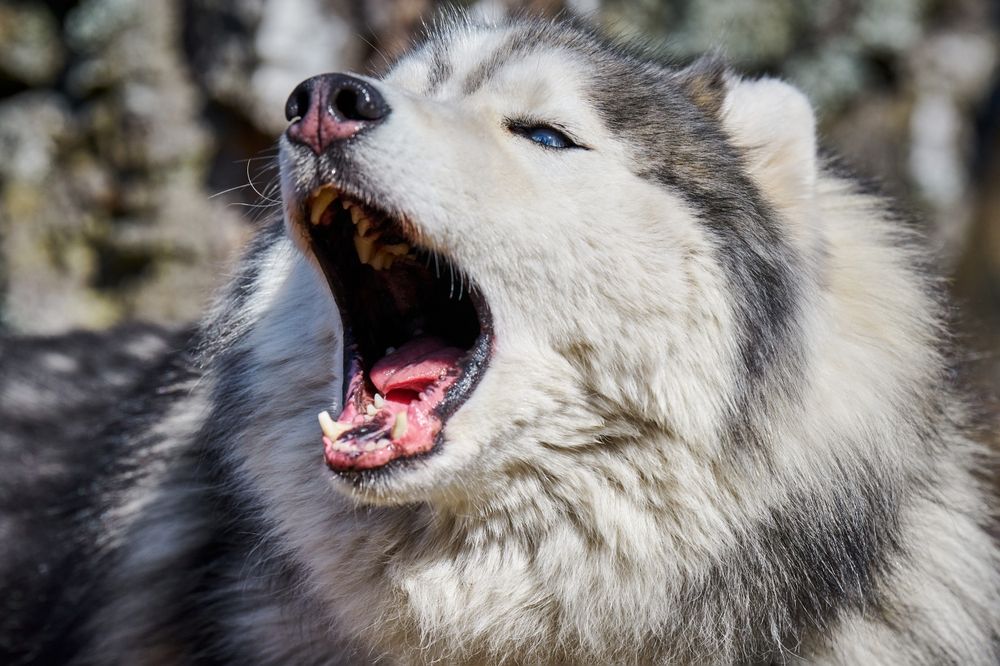
Huskies are a very vocal dog breed, using various tones and sounds to convey their feelings. The Husky scream is one of the most startling of these vocalizations, and if you're not used to hearing it, you could easily be convinced that the pup was being tortured!
Thankfully, these screams are a normal type of vocalization in this breed, influenced by their genetic background and communication style, and may be associated with different emotional states such as excitement, frustration, stress, or attempts to gain attention. Read on to learn more about why Huskies make these sounds and what owners can do to encourage their pups to use their inside voice.

The 4 Reasons Why Huskies Scream
1. Frustration or Conflict
If you've ever watched a Husky screaming video online, you've probably noticed that they usually make this noise when their owners are trying to get them to do something they don't want to do. It's like seeing a furry, 60-pound toddler protesting when asked to do something they’d rather avoid.
The Husky scream in these situations is most commonly associated with frustration or internal conflict. This can happen when a dog is asked to perform a behavior they have not fully learned, when expectations are unclear, or when they are prevented from doing something they are motivated to do.
2. Excitement or Overstimulation
This type of vocalization may also occur when a Husky is highly aroused, whether due to excitement (such as greetings or anticipation) or overstimulation, making it harder for them to respond calmly to cues. You may notice your pup screaming when you walk in the door after work or when arriving at a highly stimulating environment like a dog park.
In these situations, the vocalization is linked to increased emotional arousal rather than a deliberate attempt to communicate a specific message. Dogs in a heightened arousal state may have reduced impulse control, which can lead to behaviors like jumping, pulling, or vocalizing.
In some cases, the dog has learned that vocalizing results in attention or a change in the situation, which can reinforce the behavior over time.

3. Attention
Huskies know how to play to an audience. These intelligent dogs will remember behaviors that have previously resulted in attention from their humans and may repeat them in the future. If they've been rewarded with laughs or attention other times they've screamed, they'll be more likely to scream for attention again.
4. Anxiety or Fear
Huskies will sometimes resort to screaming if they're feeling anxious or fearful. However, if this is the reason behind your pup's vocalization, you'll likely notice them exhibiting other recognized signs of stress or fear, which can include pacing, yawning, lip licking, panting, trembling, or avoidance behaviors.

Screaming vs Howling
Screaming and howling are both typical methods of Husky communication; however, they are different types of vocalizations that may occur in different contexts and can have overlapping meanings. Husky owners need to learn to distinguish between the two vocalizations, although interpretation should always consider the dog’s overall body language and situation.
The main difference is the tone, as screams are more high-pitched than howls.
Context clues can help you determine if your pup is screaming or howling. Huskies will often howl along with sirens when they hear crying babies or high-frequency noises from your television.
Huskies will also howl if they've been left alone for too long. This breed historically lived in cooperative social groups, and through domestication, dogs form social attachments to their human caregivers and household members. Howling when they're alone can be due to anxiety, boredom, or a response to environmental stimuli, or may be their way of vocalizing in response to isolation or external triggers.

Why Are Huskies So Vocal?
The Huskies' need to express themselves is a breed-associated behavioral tendency influenced by genetics and communication style. Puppies begin making grunting and whining sounds as young as two weeks. By the time they're two months old, they're practicing their barks and trying to howl.
Huskies are closely related to wolves, and like all domestic dogs, they share common ancestry with wolves and retain some similar communication behaviors, which they communicate with their social group through various vocalizations. Howls can carry for miles in the wind, and the long, sustained sound can help group members find one another. These sounds were necessary for wolves' survival.
Huskies were developed as sled dogs, and as such, are used to working closely with a large group of dogs with whom they would need to communicate during their work.
How to Encourage a Husky to Use Their Inside Voice
A Husky's screams may be normal, but the sound can be very jarring, especially for your neighbors. If your pup is screaming a lot, there are some things you can do to encourage them to use their inside voice.
Huskies are intelligent dogs that can learn new commands with patience and consistency. While you can teach them cues like "quiet" pretty quickly, training progress varies between individuals, and it's important to remember that this is a naturally vocal breed, so vocalization may be reduced but not completely eliminated. "Quiet" may help reduce the volume of the screams, but will not stop them altogether.
Additionally, you may have luck curtailing behavior that precedes their screams. For example, if your Husky greets you at the door after your work day by screaming in your face, you can try using a rewards system to teach them to be calm when you come home. Overexcitability can be addressed by staying calm and redirecting their behavior.
Resist the urge to squeal, "I missed you so much!" the moment you walk in the door. Make your return home as dull as possible. The first few moments after you walk in the door will set the tone for your pup's greeting. Ignore them initially and reward calm behavior (for example, by calmly offering a treat once all four paws are on the ground) to reinforce a quieter response.

Take Control of the Noise
Another way to get some control over your screaming canine friend is by training them to vocalize on command. This allows them to express themselves, but keeps you in the driver’s seat. Start by using a command like “speak” when your pup naturally vocalizes, followed by a treat. Do this often enough, and they will soon learn to associate the word with the vocalization.
It is important to avoid unintentionally reinforcing excessive or unwanted vocalization, as repeatedly rewarding screaming can increase the behavior rather than reduce it. Teaching both a “speak” cue and a “quiet” cue, and reinforcing calm behavior generally results in positive outcomes.

Final Thoughts
A Husky will scream for numerous reasons, from frustration and conflict to anxiety and excitement. Owners must use context clues to determine why their pup screams so they can react appropriately.
A Husky's vast number of vocalizations is one of the unique traits of their breed. The tendency to vocalize, including howling and other sounds, is influenced by genetic predisposition and breed characteristics, so owners should get used to receiving the occasional earful from their pups.
Featured Image Credit: travelarium.ph, Shutterstock
Expert dog care, straight to your inbox
Vet-reviewed advice, training tips, and the best of Dogster. Free, and you can unsubscribe anytime.
By signing up, you agree to our Terms & Conditions and Privacy & Cookies Policy.
Chantelle is passionate about two things in her life – writing and animals. She grew up on the prairies of Canada surrounded by animals and as an adult, she choose to share her home with five cats, two guinea pigs, and a bearded dragon. Chantelle, her husband, and their child take great pride in being great animal parents- the ones who spend a thousand dollars on wall-mounted cat shelves so that their cats can have an indoor jungle gym all year round. When Chantelle isn’t snuggling her cats on the couch or taking pictures of them being funny, she’s outside exploring in the Rocky Mountains, binging the same shows on Netflix over and over, and reading about whatever random topic pops into her brain.
Join the conversation
Ask a question, share your story, or send private feedback.