12 Top Sled Dog Breeds: An Overview (With Info & Pictures)

In this article
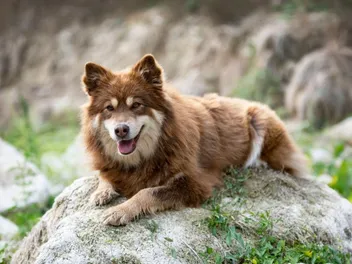
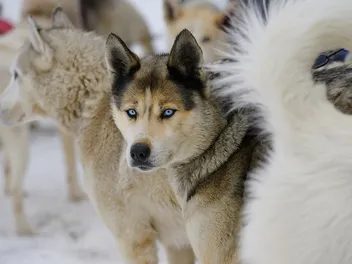
Sled dogs are some of the most amazing animals on the planet, capable of amazing feats of strength, extreme endurance, and amazing ability to withstand cold temperatures. We are going to talk about 12 different breeds of sled dogs so you can learn more about them to see if they would be something you would like to have in your home, as many of these breeds make excellent pets. For each listing, we’ve included a photograph along with a short description telling you a little about them, so you can see if you would like to spend additional time learning more.

The Top 12 Sled Dog Breeds
1. Siberian Husky

Breed Overview
Lifespan:
Temperament:
Weight:
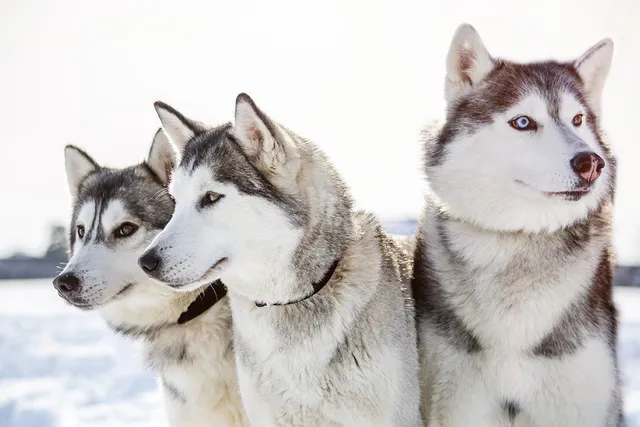
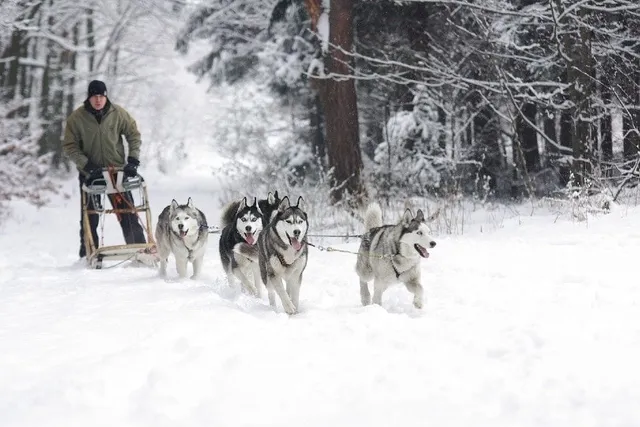
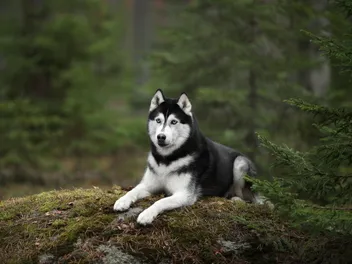
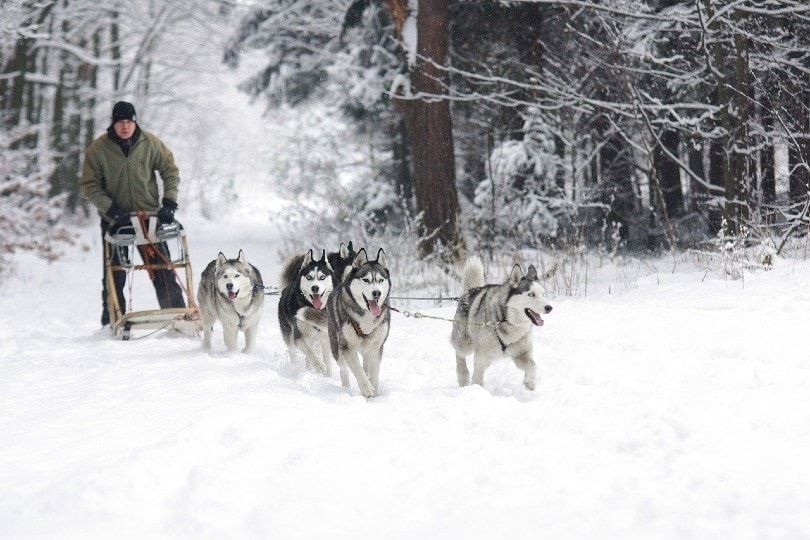
The Siberian Husky is the most popular of all the sled dogs and likely what most people think of first. This medium-sized dog is extremely powerful and has plenty of endurance. This breed once traveled more than 650 miles through Alaskan snow to deliver medicine and was able to do it in just five and a half days. These dogs are also friendly and enjoy being around children.
2. Chinook

Breed Overview
Lifespan:
Temperament:
Weight:
The Chinook is an American sled dog that breeders created in New Hampshire, where it is the state dog. It’s a well-balanced and muscular dog that’s often a honey or gold color. It’s affectionate, playful, and will go out of its way to be with the children. It also gets along well with other pets and likes to learn new tricks. It’s reserved around strangers but won’t become aggressive.
3. Labrador Husky
Breed Overview
Lifespan:
Temperament:
Weight:
The Labrador Husky is a medium to large dog with a distinctive wolf appearance. It’s not related to the Labrador Retriever. Instead, it gets its name from Labrador, Canada, where breeders created it. It’s an active dog well suited to big families with several members that will help keep it busy. It loves to play and clown around, so it’s a fun breed to own.
4. Canadian Eskimo Dog

Breed Overview
Lifespan:
Temperament:
Weight:
The Canadian Eskimo Dog is a medium-sized dog similar in weight to the Siberian Husky. It has a thick double coat and plenty of energy for pulling sleds. It’s a pack-oriented dog with a moderate tendency to bark well suited to sledding, hiking, or backpacking through colder climates. It gets along well with humans but may get aggressive towards other dogs when you are out for a walk.
5. Kugsha Dog
Breed Overview
Lifespan:
Temperament:
Weight:
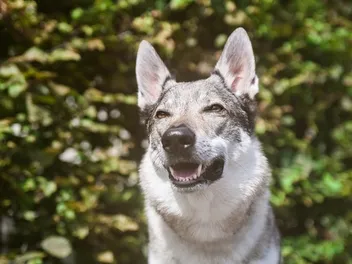
No official kennel clubs recognize the Kugsha, so it can be difficult to find. It’s a large dog with a wolf-like appearance and high intelligence. Most experts recommend this breed only for experienced owners because they can be difficult to train. It’s only moderately sociable but forms a strong bond with family members and makes a great pet for the right owner.
6. Alaskan Malamute

Breed Overview
Lifespan:
Temperament:
Weight:
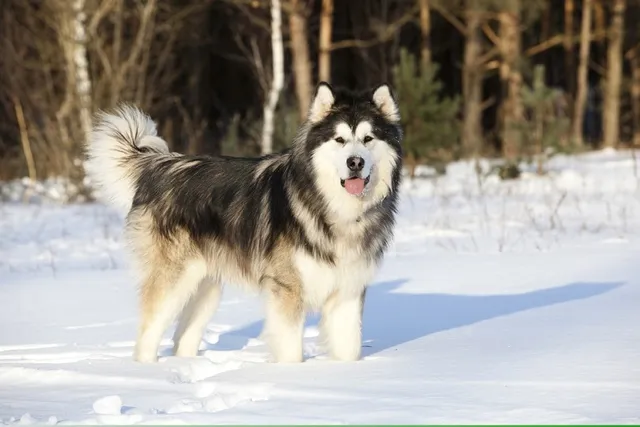
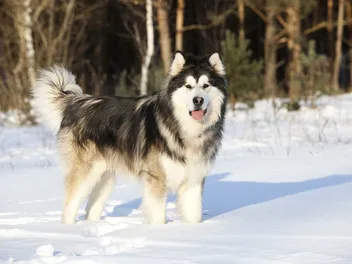
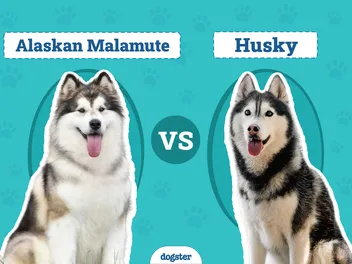
The Alaskan Malamute looks very similar to the Siberian Husky, and most people will struggle to tell them apart, especially as puppies. A full-grown Malamute tends to be about 20 pounds heavier than the Husky, so the difference is a little easier to see. These dogs are strong and fast and will tend to chase small animals, including cats, but gets along well with humans and pets if it‘s socialized properly. Because of this breed’s large size and stubbornness, most experts recommend it only for experienced owners.
7. Greysther
Breed Overview
Lifespan:
Temperament:
Weight:
The Greysther is another extremely rare breed that is a close relative of the Greyhound and has many similarities in appearance and temperament. These dogs tend to be extremely calm and rarely become aggressive. They have plenty of energy for pulling sleds but also like lounging around with family members watching television.
Breed Overview
Lifespan:
Temperament:
Weight:
The Scandinavian Hound is the smallest dog breed on this list weighing only 20–35 pounds. Though they may not do as well as the larger breeds when it comes to pulling humans, they make excellent helpers around the farm, pulling smaller sleds of goods and supplies. It has plenty of strength and energy and loves a long workday. It makes a great pet, but you will need to set aside at least an hour a day to help it get the activity it needs to keep it from becoming mischievous.
9. Alaskan Husky

Breed Overview
Lifespan:
Temperament:
Weight:
The Alaskan Husky is a blend of Nordic breeds that enjoys being part of a team and excels at sled pulling and similar group activities. Most breeders don’t consider it attractive, so they don’t often sell it as a pet, making it one of the few breeds only bred for work. However, you might find one at a shelter or from a willing breeder. It will require an hour a day or more to run free to get the activity it needs to stay healthy.
10. Sakhalin Husky
Breed Overview
Lifespan:
Temperament:
Weight:
The Sakhalin Husky is an ancient breed of sled dog that is unfortunately now nearly extinct, with only about 20 dogs left on Sakhalin Island as of 2024. The final breeder died in 2012 after stating that breeding could not continue because there are not enough remaining dogs to supply the necessary genetic diversity. This breed has a unique bear-shaped head and once helped Japanese researchers explore Antarctica.
11. Greenland Dog

Breed Overview
Lifespan:
Temperament:
Weight:
The Greenland Dog is another breed that resembles the Siberian Husky but is much larger, with many Greenlands reaching 100 pounds. It’s nationally and culturally significant to Greenland, so efforts are in place to protect the breed’s purity. It’s a strong dog with a wide head, small ears, and a thick, double coat. It’s primarily a working dog that usually keeps to itself but can make a great pet for someone that works a lot, with a big yard.
12. Mackenzie River Husky
Breed Overview
Lifespan:
Temperament:
Weight:
The Mackenzie River Husky gets its name from the area of the Arctic it originates. It can get quite large, with several specimens exceeding 100 pounds. It makes a great sled dog and can handle the cold well due to its long fur. Its muscular body is built for heavy freighting and gets good traction even in deep snow.
Conclusion
We hope you have enjoyed reading over this list and found a few breeds you hadn’t heard of before. If you are thinking of purchasing one for your home, we highly recommend the Siberian Husky because it’s a good size, pulls sleds well if you need it to, and makes a great pet, especially if you have experience training dogs.
Next on your reading list:
Featured Image Credit: badamczak80, Pixabay
Expert dog care, straight to your inbox
News, insights, expert advice, and everything dog.

No spam — unsubscribe anytime.
By signing up, you agree to our Terms & Conditions and Privacy & Cookies Policy.
How useful was this post?
Click a star to rate. You can leave written feedback afterwards. (We read all feedback.)
Ed Malaker is a seasoned writer who has contributed to a wide range of blogs covering everything from tools to guitars, and pets to fitness. When Ed isn't writing, he is usually making DIY projects around the house or working in the garden.