Why Do Dogs Side Eye? Vet-Approved Behavior Explanation


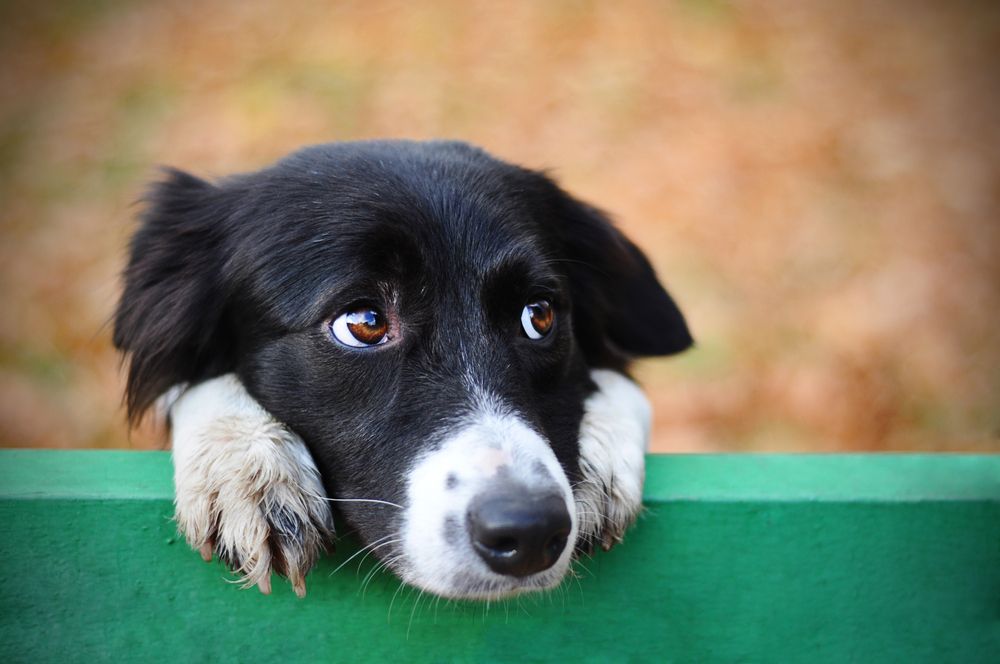
Life would be so much easier if our dogs could tell us everything they're thinking and feeling. But until science finds a way for us to communicate with our pets, we just have to get good at reading their body language and facial expressions.
The side eye is an interesting facial expression that can have many different meanings. While sidelong glances in humans are often used to convey emotions like skepticism, disbelief, or disapproval, it's not quite the same in dogs. The side eye can mean anything from "Back off, I'm about to attack" to "That was fun, Mom! Let's play again!"
Read on to find out why your pup is giving you the side eye.

The 4 Reasons Why Dogs Side Eye
1. They're Anxious or Stressed
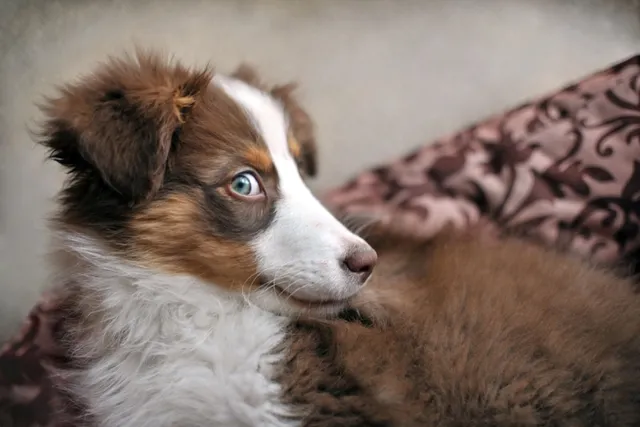
The side-eye glance is sometimes also called "whale eye" in dog circles. "Whale eye" may not be a term you're familiar with, but as a dog owner, you should be. This expression causes the whites of your dog's eye (sclera) to show. It occurs when your pup turns their head away from something or someone but keeps their eyes locked on the object or person.
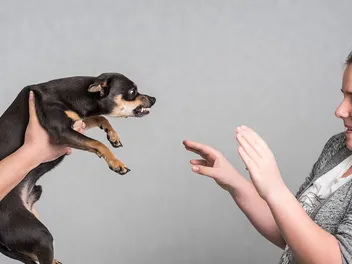
A dog exhibiting whale eye is typically anxious or uncomfortable. They may be feeling stress or fear. It can also be a sign that your pup may become defensively aggressive, as nervous, fearful, or stressed dogs may be more likely to bite. The expression is almost always paired with other body signals of stress like lip-licking, hair standing on end, growling, or freezing in place.
They make this expression for numerous reasons, so context can make a world of difference when determining why your pup is whale-eyeing you. Common triggers for whale eye include:
- Resource guarding of food or toys
- Meeting new people
- Meeting new animals
- Being in unfamiliar places
- Being approached or touched in a way they don't like

2. They're Curious
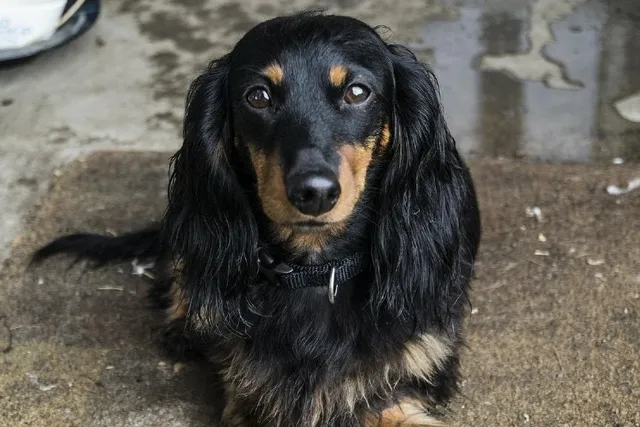
The sideways glance can also indicate that your pup saw something intriguing or heard a new noise. Their side-eye could allow them to see things better or get your attention without moving too much. Curious dogs will exhibit other body postures like perked-up and forward ears and tilted heads.
3. They're Playing
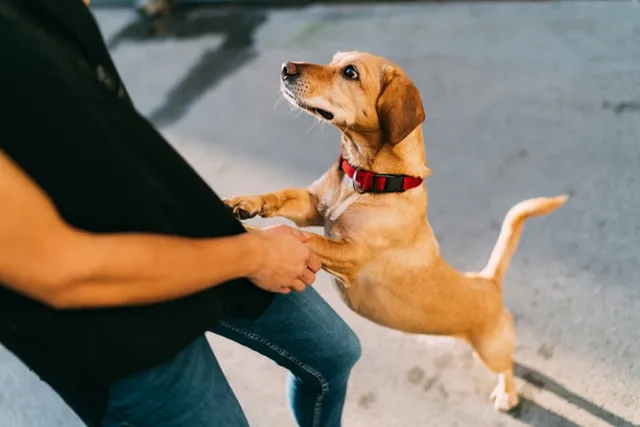
The side eye can also indicate playfulness or excitement. This is especially true when other loose body language and gestures, such as a wagging tail or playful bowing, accompany the expression.

4. They're Just Glancing
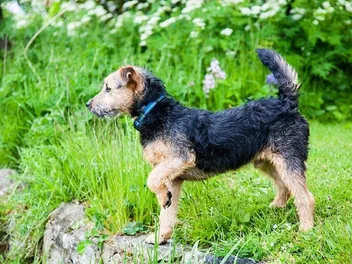
Sometimes, the sideways glance is just that: a sideways glance.

What Should I Do if My Dog Gives Me the Side-Eye?
Before reacting, consider the context of the gesture as well as your pup's other body language.
If your dog is exhibiting other signs that they're clearly stressed or anxious, identify the trigger. Is there another dog nearby? A stranger in the vicinity? Is someone (or something) bugging them? Take stock of your pup's surroundings and environment to get clues into what they're feeling. Once you know what the trigger is, try to safely remove your pet from the threatening situation.
For example, a dog that doesn't do well around other dogs may show the whale eye if they're being approached by a strange dog while on a walk. The trigger in this scenario is the unfamiliar animal. You can help relieve your pet of their anxiety and stress by giving them space away from the other dog by crossing the street or turning and walking in the other direction.
Are you in the middle of a rousing play session, and your pup starts giving you the side eye accompanied by playful bowing and a big, silly, open-mouthed grin? If so, chances are your dog is probably just excited about getting to play with you.
TLDR: Pay very close attention to your dog's body language, behavior, and context to determine the cause of the sideways glance. You can only react appropriately once you know what your dog is feeling.

Final Thoughts
The side-eye glance in dogs can mean many different things. Almost all dog body language and facial expressions are context-driven, so consider your pup's behavior in the context of their environment.
If your dog is looking at you with a sideways glance but has an otherwise positive body posture, this is likely not whale eye. They could be feeling playful, curious, or just giving you a harmless glance. However, if your dog's side-eye is accompanied by other body language that conveys stress or anxiety, it could be whale eye, and you must react appropriately to defuse the situation.
Sources
Featured Image Credit: SakSa, Shutterstock
Expert dog care, straight to your inbox
Vet-reviewed advice, training tips, and the best of Dogster. Free, and you can unsubscribe anytime.
By signing up, you agree to our Terms & Conditions and Privacy & Cookies Policy.
Nicole has loved animals of all sizes her whole life so it's no wonder she has dedicated her career to helping them through what she loves best: learning, writing, and sharing knowledge with others. She’s the proud mom of two dogs, a cat, and a human. With a degree in Education and 15+ years of writing experience, Nicole wants to help pet parents and pets around the planet to live happy, safe, and healthy lives.
Join the conversation
Ask a question, share your story, or send private feedback.