Dog Whale Eyes: Canine Body Language Explained


In this article
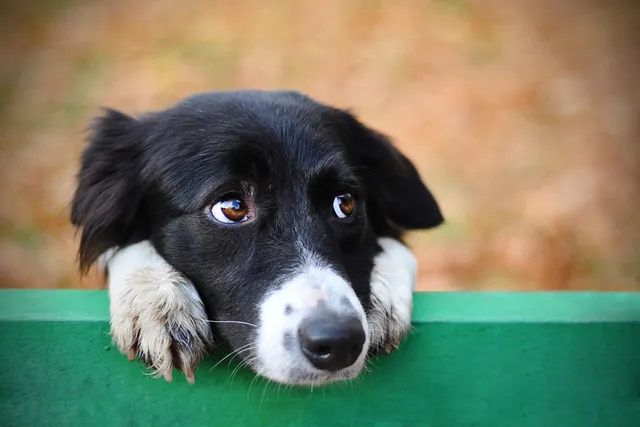
It’s a classic look that every dog owner is familiar with but few understand—your dog is giving you a sidelong gaze with their eyes bulging nearly out of the sockets. When your dog turns their eyes to the side like that without moving their head sideways, showing a lot of white or sclera, it’s usually a sign of anxiety, stress, or fear. For instance, a dog that’s unsure of a new animal might give it this side-eye look to size the situation up, or as an instinctual reaction to a potentially imminent threat.
Like most things our dogs do, whale eyes are a subtle way they communicate their feelings to us, their favorite people. The least we can do is try to understand them better, don’t you think? In the spirit of breaking down the human-dog language barrier, let’s examine whale eyes in further detail below. Join us as we share some other signs your dog is frightened, what to do when you see the whale eyes, and how you can help your pooch feel happier and less likely to show them.

What Are Some Other Signs Your Dog Is Anxious or Distressed?
Whale eyes in a dog are an obvious sign that they are scared, stressed, or otherwise not cool with what’s going on. They’re far from the only one, though! Like every other animal, dogs have a unique body language that automatically expresses itself in certain ways to react to certain stimuli. Most of the time, we’re pretty good at parsing our dog’s moods, but what if we’re not?
For example, a dog may show "whale eyes" during resource guarding when someone reaches for what they consider to be of high value, like a bone or toy. The dog may freeze, lower its head slightly, and shift its gaze to keep the item in their view field, exposing the whites of their eyes. This signals discomfort or fear; you will often also see a stiff posture or lip licking. To be sure, you should watch for one or more of these other telltale signs of fear, stress, and anxiety in your pooch.
Signs of Dog Discomfort
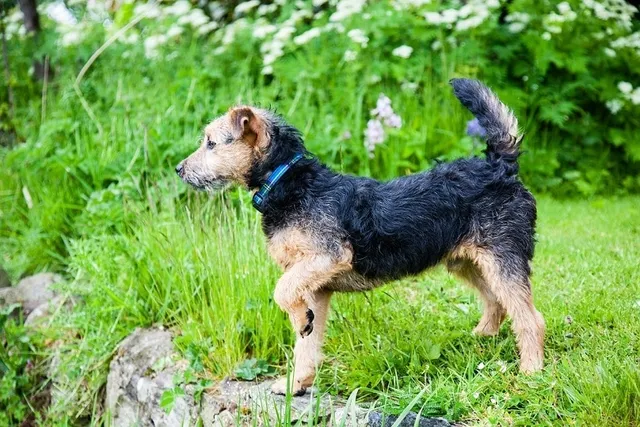
- Stiffened tail held low in apprehension
- Rigid, tense body posture
- Raised hackles
- Excessive lip licking
- Heavy panting
- Rolling on their back
If you want more information or are concerned about the health of your pet, you should contact a vet.
What to Do When Your Dog Shows Whale Eyes
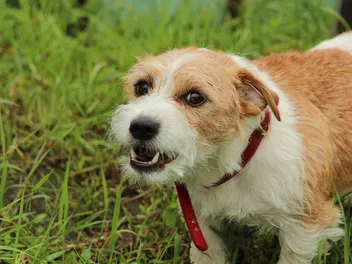
When your dog is showing you whale eyes and other signs that they’re fearful, you should immediately stop and identify the trigger. Is it something you did? A family member or pet? An environmental trigger like a loud noise? The lawnmower? Remove the stimulus and redirect to a favorite toy or try to engage your dog in play. However, don’t approach your dog if they’re showing aggression via displays like bared teeth or low growling—a reactive bite could be imminent!
Another no-no is showing any signs of hostility or aggression, like raising your hand or even raising your voice at your dog. Never, ever punish your dog for showing whale eyes or confiding their discomfort via their body language. These will only amplify your dog’s negative feelings of fear and confusion, possibly escalating the situation to a bite if your dog feels threatened enough.
Are Whale Eyes in Dogs Always a Bad Thing? Canine Eye Contact Explained
We covered that whale eyes are a sideways look where your dog shows a lot of their sclera or eye whites. But is it just showing the whites of their eyes that signifies fear? No, it’s the specific combination of a bulging-eye look combined with other signs of fear that makes whale eyes.
Sometimes a dog rolls on their back for belly scratches, as we all know. With a tucked tail and whale eyes, though, that could be a show of submission. Sometimes your dog simply looks at things with their eyes without turning their head, showing their sclera and creating a very similar look to classic dog whale eyes but without a trace of discomfort. The point is that context is everything.
Dogs with certain skull shapes, such as French Bulldogs, Pugs, and Boston Terriers, are more likely to show whale eyes as well. These breeds have been meticulously bred for specific body shapes, including shallow eye cups that inadvertently make their eyes more likely to bulge outward and show the whites in a mock whale eye-type look. You have to use a lot more context to discern when your dog is anxious because the whale eyes alone aren’t enough.

Tips on How to Make Your Dog More Relaxed and Less Stressed
It’s never a good thing when your dog is scared and showing whale eyes, and naturally, your first reaction is to find out what you can do to stop it from happening again. Sadly, you can’t completely eliminate every possible trigger for whale eyes, but you can help minimize it. Nobody likes a sad dog, so let’s cover some ways you can make your dog feel more at ease and less likely to show whale eyes.
- Make sure your dog gets plenty of exercise via walks, playtime, and mental stimulation to help them burn off stress and prevent bundled-up anxieties from growing.
- Exclusively use positive reinforcement to encourage desirable or “good” behavior, and never use negative reinforcement such as yelling, punishments, or discipline, as these only boost fearfulness which causes whale eyes and problem behavior alike.
- For puppies, ensure they receive well-rounded socialization via exposure to all sorts of people, places, animals, and sights. A socialized dog is a happy dog, while a poorly socialized dog is a scaredy cat that shows whale eyes at nearly anything unfamiliar.
- Don’t miss any vet appointments! These are essential to rule out health problems that can contribute to fearful behavior and for more specific advice on a case-by-case basis.
- Always redirect your dog to a happy, non-threatening distraction when you start to see early signs of anxiety, stress, or fearfulness.

Conclusion
Whale eye is easily mistaken for a meme-worthy canine expression, but it’s actually an intimate sign that your dog is trying to tell you they feel scared, nervous, or even terrified. The next time you see your dog show these eyes, take a moment to analyze their body language for other signs of fear like a submissive posture or raised hackles.
Sources
Featured Image Credit: Miiisha, Shutterstock
Expert dog care, straight to your inbox
Vet-reviewed advice, training tips, and the best of Dogster. Free, and you can unsubscribe anytime.
By signing up, you agree to our Terms & Conditions and Privacy & Cookies Policy.
Codee Chessher is a freelance writer whose motto is: there is nothing a well-worded sentence can't accomplish! He loves to write about pets, travel, DIY, and more. Codee's experience is varied, but the written word has always been his strongest and biggest passion.
Join the conversation
Ask a question, share your story, or send private feedback.