My Dog Stares at Me: Vet-Reviewed Reasons, Meaning & Facts


In this article
Understanding your dog’s body language paves the way for successful pet parenting. It is a great skill to possess, and once understood, it provides an effective communication route between you and your dog. We all like to be understood, after all. Dogs communicate, let their feelings be known, and express their intentions by using a combination of different body parts, body movements, facial expressions, and vocalizations. What does it mean when they are staring at you then?
When our dogs are just sitting there and staring at us, we often sit or stand there in return asking them what they want. The truth is your dog might be trying to tell you they want something, or their steady gaze could be your dog trying to read your cues to see what might be happening next. There are various reasons for dogs staring, and while there isn’t one simple answer, we can look at some of the possibilities to help you solve the mystery.

How Do Dogs Communicate?
Though dogs cannot speak like humans, this doesn't mean they can’t communicate with you. Dogs express themselves using a combination of their tails, ears, eyes, mouth, legs, and sounds. Some of the different behaviors you might see that indicate an emotion include different postures, raised hackles, licking lips, yawning, paw lifting, whining, growling, barking, and sniffing. That’s quite the set of tools and messages to understand and interpret!

It's important to keep all these signals in context and observe the overall body language and bigger picture rather than focusing on a single sign, such as them staring at you. Additionally, individual dogs may have unique communication styles, so knowing your specific dog's nuances and behavior is very beneficial.
What Does It Mean When My Dog Stares at Me?
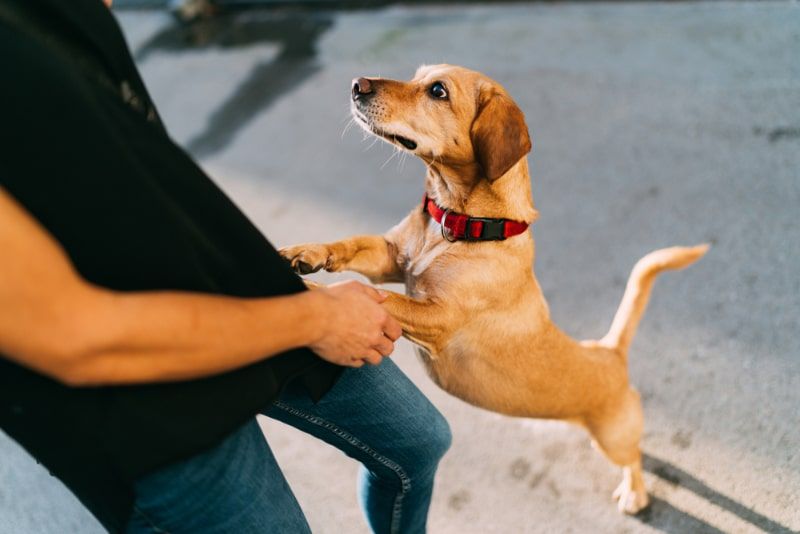
When your dog stares at you, it can mean many things depending on what else they may or may not be doing at the moment and the context in which it occurs. For the most part, dogs are staring to convey something to you or to get something from you, often a walk or some food! It is important to consider when and how they are looking at you so you can gain deeper insights.

The 5 Potential Reasons Why Your Dog Stares at You
1. Love
Perhaps the most common reason your dog stares at you is love. Staring is often their avenue of expressing their love, joy, care, and affection for you. They also stare to try and read your emotions. Just like humans, dogs have their own unique ways of demonstrating all these feelings, but eye contact with a soft gaze and relaxed body posture is a common way for them to do this. This is a sure sign that they adore you and are looking for closeness, so be sure to engage with them.

2. Wanting something
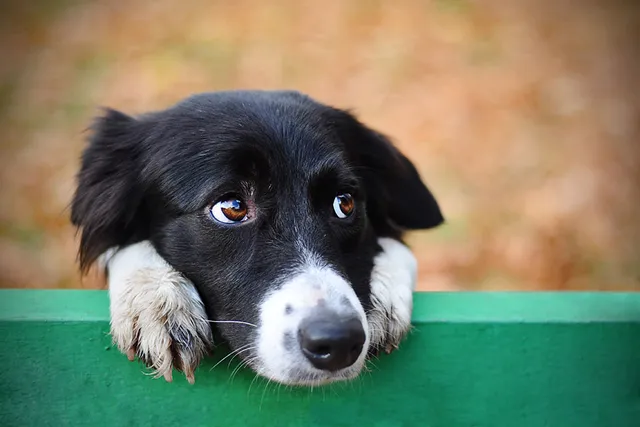
Placing gushy love aside, stares can also mean your dog wants or desires something. If it happens during dinner or when you are holding a treat or food in general, they are likely trying to get your attention and hoping for a tasty bite. This tends to be a learned behavior, and even if you have only given in once to their begging eyes, the next time mealtime comes around, this staring act will be repeated. It could also be them trying to tell you they want to go outside to go potty. Either way, try to figure out if all their basic needs are being met at that moment.
3. Fear, anxiety, and aggression
The darker side of a stare can indicate your dog is in a confrontational mood. This type of stare is often very intense and hard, and it can have an intimidating feel. Other signals, such as a rigid stance, vocalization, raised hackles, or lifting of the lips, may occur too. In these circumstances, do not engage in eye contact and back away slowly from your dog. It is advisable to book an appointment with a veterinarian, who can assess this situation further, advise you on training, and rule out any medical issues that may be causing the fear or aggression.

4. Protection
This might not be your first thought, but a dog gazing up at you could be your pooch seeking your reassurance that you will protect them. This is most often witnessed when they are going potty and catch your eye to seek the security that you will watch over them while in a vulnerable position.
5. Health problems
Occasional staring may be due to health problems. For example, some dogs with cognitive dysfunction may stare at their owners aimlessly. If you are worried about their behavior, please have a vet check over your dog, as abnormal behavior could indicate a variety of health issues.


Should I Let My Dog Stare at Me?
Allowing your dog to stare at you can have both positive and negative implications, depending on the circumstances. It can be your dog’s way of seeking attention, expressing love, or understanding and processing your emotions. In these cases, it is beneficial to let your dog stare at you, as it strengthens the bond between you and reinforces positive behaviors.
By reciprocating their gaze and giving them your attention, you are validating their feelings and building a deeper connection with them. This can have a positive impact on their overall well-being and behavior, as well as your own.
However, it's important to set boundaries and establish clear communication with your dog. If your dog stares at you in an aggressive or fearful manner, do not return or hold their gaze, as your dog can consider this to be threatening and it may worsen the situation. In these cases, disengage and back away slowly, or you may try and redirect their attention to a more appropriate and wanted behavior, such as playing with a toy, sitting, or lying down.
Reward them for the desired behavior or action and seek help from a veterinarian, a qualified dog trainer, or a canine behaviorist. These are the best experts to advise you on your specific dog’s behavior and what to do about it.
Differentiating Between Friendly and Aggressive Stares
Understanding the difference between a friendly look and an aggressive stare is crucial to keeping the relationship with your dog safe and harmonious. As previously mentioned, dogs use a variety of means to convey their inner world, but, as it is said of humans, the eyes are the windows to the soul, and your dog's eye contact can provide you valuable insights into their intentions.
Friendly stares are characterized by soft eyes, gentle expressions, a relaxed body, a pleasant vibe, and an overall calm demeanor. They may have a waggy tail and emit a sense of happiness. Love and desire are felt. These friendly stares often occur during moments of bonding, playtime, or when they are seeking your attention.
Aggressive stares, on the other hand, are typically accompanied by a stiffer body posture, raised hackles, a fierce and intense gaze, vocal noises, and lifting or curling of the lips. They will ooze an uneasy vibe (don’t dismiss your intuition) and may also exhibit other warning signs, such as bared teeth, growling, or defensive postures.
Aggressive stares are a clear indication that your dog is feeling threatened or frightened, or they are displaying dominance. Consulting with a professional dog trainer or behaviorist is highly recommended if your dog is showing these types of signs. They can help assess the underlying causes of aggressive behavior or stress and provide guidance on how to address it effectively.

Conclusion
Decoding your dog's stares is an essential way to understand them. Whether it's a sign of fear, love, seeking reassurance, or trying to understand your emotions, their gaze carries valuable information. The next time your dog has their eyes on you, do your best to figure out if all their needs are being met and that they have enough attention. If this behavior is out of the norm, though, it’s best to talk to a vet, especially if it is becoming more frequent.
See Also:
Sources
https://www.akc.org/expert-advice/training/why-does-my-dog-stare-at-me/
https://www.vetstreet.com/our-pet-experts/why-does-my-dog-stare-at-me
https://www.petmd.com/news/view/why-does-my-dog-stare-me-38016
https://www.purina.co.uk/articles/dogs/behaviour/common-questions/why-do-dogs-stare
https://www.akc.org/expert-advice/lifestyle/dog-eye-movement-gives-insight-into-emotions/
Featured Image Credit: Zivica Kerkez, Shutterstock
Expert dog care, straight to your inbox
Vet-reviewed advice, training tips, and the best of Dogster. Free, and you can unsubscribe anytime.
By signing up, you agree to our Terms & Conditions and Privacy & Cookies Policy.
Annaliese qualified as a veterinary nurse from Edinburgh in Scotland and went on to obtain a diploma in advanced veterinary nursing in surgery from London. Throughout this time, she worked in both small and mixed veterinary practices and gained head nurse status. Responsible for training other veterinary nurses she also ran the nursing department, nurse clinics and patient care protocols. She has looked after thousands of patients and owners and created new higher standard nursing regimes, whilst specializing in surgery and anesthesia. After being asked to co-author numerous veterinary nursing textbooks, Annaliese continued to write for further mainstream publications in the UK and USA and after twenty-plus years in both the veterinary and pet care professions , she hung up her scrub suit and now writes full-time.
Join the conversation
Ask a question, share your story, or send private feedback.