Ehrlichiosis in Dogs: Our Vet Discusses Signs, Causes & Treatment

In this article
It's time to talk about ticks! Is your dog on a reliable flea and tick prevention product? We worry about tick-associated illnesses because they can be devastating and usually preventable. Let's look at ehrlichiosis and what this tick-borne disease could mean for your dog.

What Is Ehrlichiosis?
Ehrlichiosis is an illness caused by a type of bacteria known as rickettsia. Several Ehrlichia species exist, including Ehrlichia canis, Ehrlichia ewingii, and Ehrlichia chaffeensis. E. canis is the most common species affecting dogs.
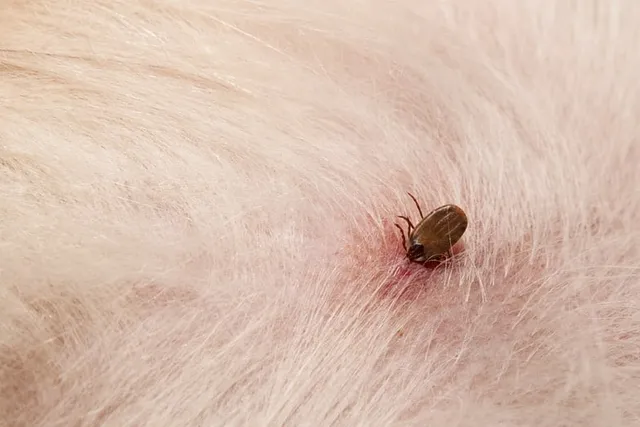
Ticks transmit Ehrlichia. When a tick attaches to the dog (or other animal), it squirts some of its saliva into the wound. In some ticks, the saliva also contains pathogens causing certain illnesses, such as Ehrlichia (ehrlichiosis), Borrelia burgdorferi (Lyme disease), and Rickettsia rickettsii (Rocky Mountain Spotted Fever).

What Are the Signs of Ehrlichiosis in Dogs?
Dogs have three main stages of ehrlichiosis, and the presentation and signs differ slightly between each stage.
They include:
Acute Phase
The acute phase of ehrlichiosis occurs shortly after a dog is infected with Ehrlichia. Signs can vary widely and include the following:
Your dog's signs could be very mild and go completely unnoticed.
If your dog is showing these signs, we suggest you speak to a vet.
Subclinical Phase
In the subclinical phase, dogs do not show signs of the disease. VCA Animal Hospitals points out that one of the only signs your veterinary team might see is your dog bleeding a bit more from the site of a needle poke than they usually would. Keep in mind that this could be subjective.

Chronic Phase
The chronic or clinical phase can result in your dog developing numerous health issues, ranging from eye issues like blindness to neurologic complications. Many dogs develop bleeding matters in this phase, including visible bruising on their skin or even active bleeding from their nose or in their eyes. The disease can suppress the bone marrow and contribute to issues like panleukopenia.

What Are the Causes of Ehrlichiosis in Dogs?
While Ehrlichia has traditionally been thought of as transmitted by the brown dog tick, it can be passed to dogs via other ticks. Common tick species in the United States associated with ehrlichiosis and dogs include:
The tick or ticks attach to the dog and feed. While the tick feeds, it can pass the rickettsia microorganism to your dog. The tick doesn't take long to transmit this bacteria either: only 3 to 6 hours, according to the Companion Animal Parasite Council.
It is possible but unlikely to transmit the infection between dogs without a tick host. Examples could be through a blood transfusion, using contaminated needles, or using inappropriately sterilized tools between pets.

How Do I Care for a Dog With Ehrlichiosis?
In many cases, exposure to Ehrlichia is found with routine screening tests. In most areas in the United States, veterinarians recommend annual screening with a heartworm test. Increasingly common, vets are utilizing a test that also evaluates for certain tick-borne illnesses, such as Lyme disease, Anaplasmosis, and ehrlichiosis. This test is also referred to as a SNAP test. If your dog's test is positive, your veterinarian will usually look at other screening tests to see if there is evidence of an active infection. They'll check a complete blood cell count for things like anemia (low red blood cell count) and thrombocytopenia (low platelet count). Your vet might use a serum biochemistry panel to check kidney enzyme values and for elevated globulin levels. A urinalysis is generally used to check for possible kidney damage, particularly when looking for proteinuria.
In some cases, your veterinarian will see evidence of Ehrlichia within certain white blood cells, a finding referred to as a morulae. Finding these in the white blood cells is rare but indicates to your veterinarian that antibiotic therapy should be started.
There are three main ways to treat a dog that shows no clinical signs or evidence of an infection on laboratory testing.
Preventing Ehrlichiosis in Your Dog
The mainstay of preventing ehrlichiosis in dogs is reducing the possibility of exposure to ticks. There are many tick prevention products on the market, including:
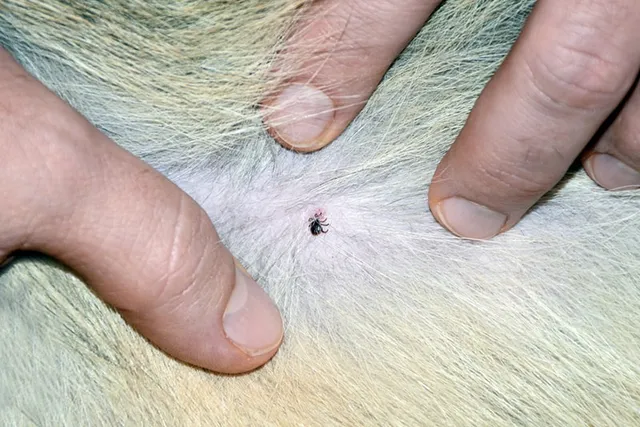
While every dog and cat in the house should receive flea and tick prevention regularly, do not use dog-safe products on cats. They can be highly toxic. Check your dog regularly for ticks, especially if you go on hikes in tick-heavy areas. Important places to check include between the toes, under their collar, and in their ears.
Make your yard inhospitable to ticks. An exterminator is one option, but you can also cut back shrubbery and brush, mow your lawn regularly, and be careful when visiting wildlife, as they can bring ticks into your yard.


Frequently Asked Questions (FAQ)
If my dog had Ehrlichia once, is it possible to get it again?
Dogs can become reinfected with ehrlichiosis, so you should utilize regular tick prevention methods. Your dog could also be at risk for exposure to other tick-borne illnesses, such as Rocky Mountain spotted fever and Lyme disease.
How do you remove a tick that is attached to your dog?
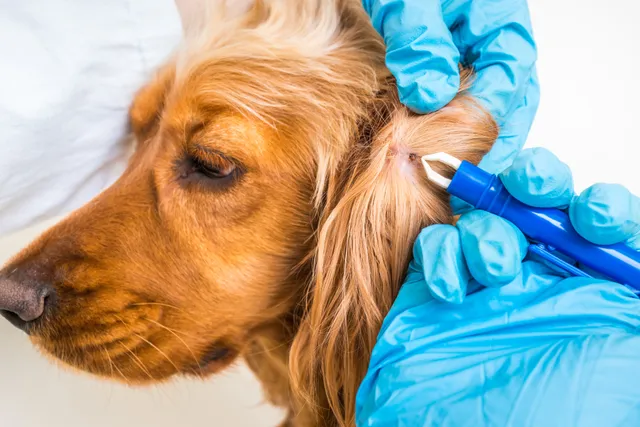
You can certainly contact your veterinarian's office to see if they can remove attached ticks, but many people can also do it at home, especially if they have someone to help hold your dog steady. Tick-removal tools, such as the Tick Tornado, are available. If you live in an area where ticks are prevalent, consider keeping at least one of these tools handy. You can also use fine-tipped tweezers to grasp the tick as close to your dog's skin as possible. Pull directly upwards, taking care not to twist the tick, which could cause it to inject saliva with bacteria into your dog.
Are some dogs more prone to infections with Ehrlichia?
Some dog breeds appear predisposed to more severe clinical signs with ehrlichiosis.
These dog breeds include:
Conclusion
If your veterinarian detects that your dog has been exposed to ehrlichiosis, don't despair. Unless your dog shows signs of the infection, your veterinarian will need to rub more tests to help assess if your dog has an active infection. In many cases, the disease is treatable with antibiotics like doxycycline.
Also see:
Featured Image Credit: ElenaYakimova, Shutterstock
Expert dog care, straight to your inbox
News, insights, expert advice, and everything dog.

No spam — unsubscribe anytime.
By signing up, you agree to our Terms & Conditions and Privacy & Cookies Policy.
How useful was this post?
Click a star to rate. You can leave written feedback afterwards. (We read all feedback.)
Dr. Samantha Devine DVM (Veterinarian)
Dr. Samantha Devine is a practicing veterinarian who enjoys caring for animals and sharing her knowledge with pet owners. Preventative care, ranging from nutrition to vaccination, is her specialty and passion!
With over 12 years of veterinary experience, Dr. Devine has extensive knowledge to share about small animal medicine, horses, aquatic species, and even zoo animals. She has also been writing for online pet sites for most of that time.