What Does a Tick Bite Look Like on a Dog & Next Steps to Take (Vet Approved)


In this article
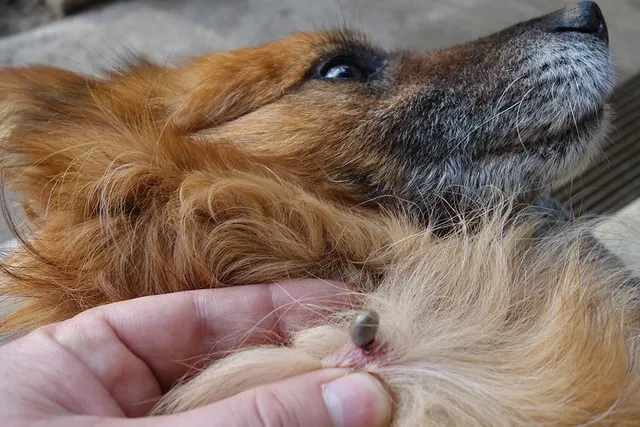
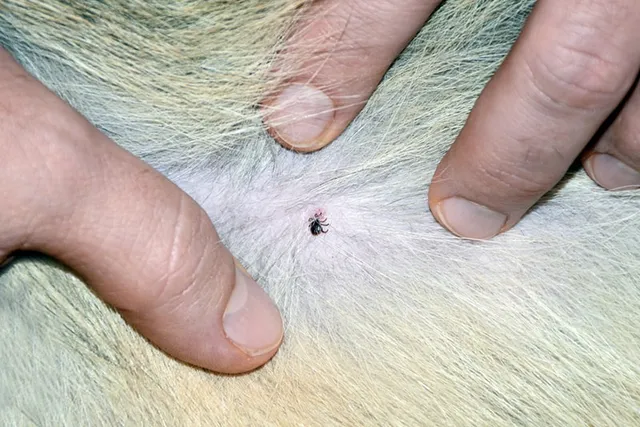
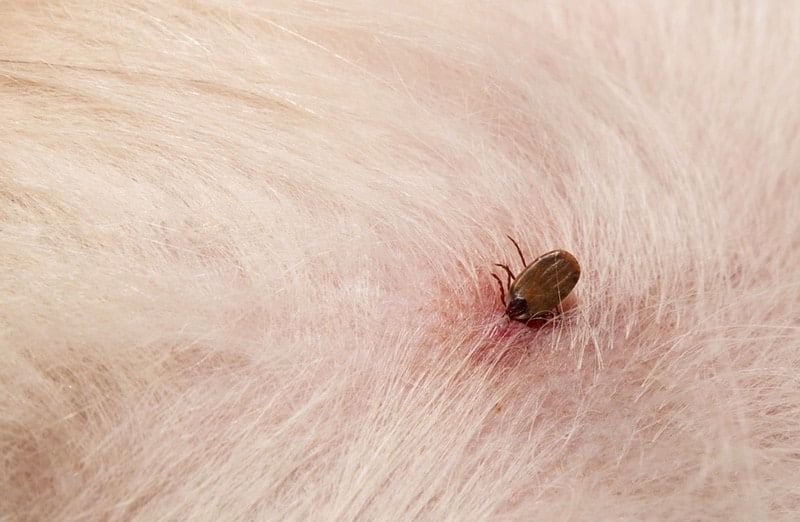
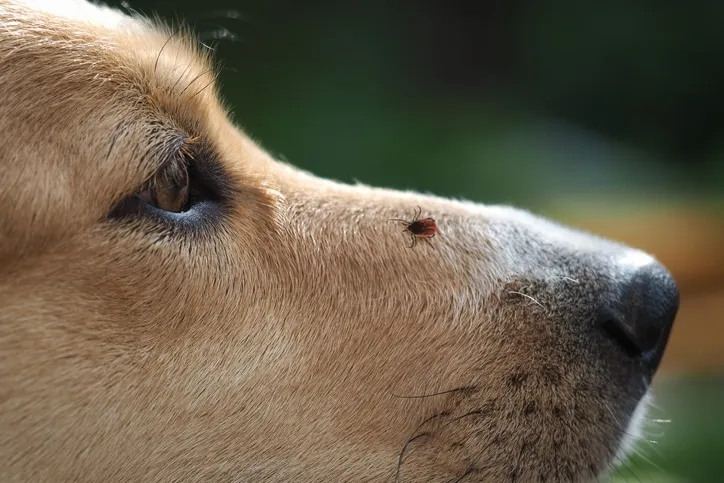
Many dog owners are concerned about ticks and for a good reason. The tiny pests can attach themselves to your dog’s skin and put their health at risk. After taking your dog for an outdoor walk, checking their body for ticks is a good idea. But how do you know if you’ve found one or if your dog has suffered a tick bite? Ticks are black, brown, or tan parasites with eight legs. Their size can vary depending on the species and once they’ve attached to your dog and gorged on blood they expand in size. Knowing what a tick looks like will help you spot it, but you also should know how to check your dog properly to ensure you don’t miss any problems.

Types of Ticks to Be Aware Of
There are many tick species, but your dog is at the greatest risk of being bitten by four.
These include:
What Does a Tick Bite Look Like?
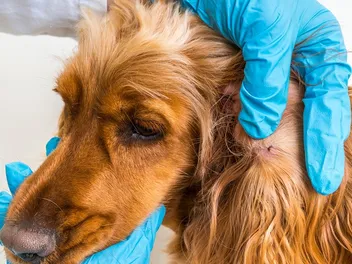
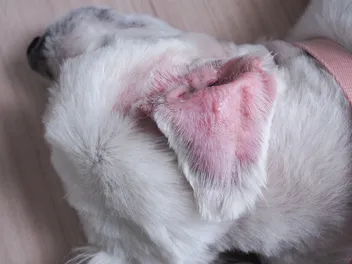
It can be a bit difficult to know if your dog has been bitten by a tick. The telltale sign is seeing the tick still attached. But perhaps the tick has already fed and fallen off. If that is the case, you will usually see a small reddish raised bump where the tick has bitten the dog. It will look a bit like a mosquito bite but they can be hard to see because of a dog’s fur. If the tick has bitten the dog a few days ago, the bump will be close to healing (if it did not get infected). It is important to note that dogs don’t tend to get the stereotypical ‘bullseye’ lesion that we associate with tick bites and Lyme disease in humans.
What Does an Infected Tick Bite Look Like?
As mentioned, tick bites should heal after a few days but there is a possibility the bite site could get infected.
Look for the following signs:
If the infection worsens, this could lead to serious health problems for your dog. Contact your vet if your dog has shown any of the abovementioned signs.
I Found a Tick Bite. What Do I Do Next?
If the tick bite looks normal (slight bump, a little bit pink), you do not need to do anything with it. However, it is a good idea to check it regularly for a few days to make sure it is healing properly and keep an eye on your dog for any signs of illness. If the tick bite site is getting more swollen and redder, this could mean it is getting infected. You can clean it with dog-safe antiseptic, and you should consult with your vet for advice.
Tick-Borne Disease
Tick bites are not fun. Besides the chance of the bite site getting infected, another risk is disease transmission. You should monitor your dog carefully for any signs of disease after they have been bitten and contact your vet with any concerns. It's a good idea to familiarize yourself with the types of ticks in your area, as well as the diseases they carry to help protect you and your dog from tick-borne illnesses. Many diseases can be transmitted from ticks to dogs, but the most common is Lyme disease caused by the bacteria Borrelia burgdorferi. Deer Ticks can carry Lyme disease which can lead to weakness, fever, decreased appetite, joint pain, and even lameness. Some dogs will also suffer from kidney damage.
Rocky Mountain spotted fever is another bacterial disease that the American Dog Tick and the Brown Dog Tick can transmit. Dogs with this condition generally also suffer from non-specific signs including appetite loss, joint pain, fever, vomiting, diarrhea, and depression. Once diagnosed, most tick-transmitted diseases can be treated relatively easily, but early treatment is essential. One of the most worrying conditions ticks can cause is tick paralysis. Signs of tick paralysis usually occur 5 days or more after the initial bite. Certain ticks release toxins in their saliva when they bite which inhibits a dog’s neurotransmitters, leading to paralysis. Signs typically start in the hind legs with incoordination, but paralysis advances rapidly and can even go on to affect the muscles involved in breathing. Usually, dogs improve greatly within 24 hours of a tick being removed.

Preventing Future Bites
So how do you prevent your dog from getting bitten by ticks? As long as you take your dog outdoors, there is always a chance that a tick will bite them. However, you can significantly reduce the odds of this happening. Using a tick prevention medication is the best choice. For dogs, tick prevention comes in three forms:
- Topical application
- Collars
- Oral tablets or chews
These forms of prevention typically last at least one month. Speak to your vet about which medication would be best for your dog.
Being aware of the environment is also a good way to prevent ticks. When outdoors, stick to well-cleared trails. Avoid areas with tall grass or long, low-hanging branches and vines. You can minimize your dog’s chances of being bitten by staying away from areas abundant with ticks. Carefully check your dog for ticks after a walk and remove any found straight away- seek advice from your vet if you are unsure how to do this.


Final Thoughts
Ticks are among the least pleasant pests that dog owners have to deal with and they can start to pass on disease in as little as 24 hours after attaching and biting. Checking your dog after every outdoor excursion is an excellent way to help prevent tick-borne illnesses as long as you know what you’re looking for. Ticks may vary in size and color, but they should stand out against your dog’s skin. When in doubt, run your hand over your dog’s skin. If you feel lumps, check them out, this will also help you check for signs of bites. It’s better to be safe than sorry.
See also:
Sources
https://www.petmd.com/dog/parasites/11-faq-about-tick-bites-dogs
https://www.humanesociety.org/resources/what-do-if-you-find-tick-your-dog
https://www.kingsdale.com/the-potential-consequences-of-a-tick-bite-in-dogs
https://www.petmd.com/dog/conditions/infectious-parasitic/c_dg_lyme_disease
https://www.petmd.com/dog/conditions/infectious-parasitic/c_dg_tick_paralysis
Featured Image Credit: chaipanya, Shutterstock
Expert dog care, straight to your inbox
Vet-reviewed advice, training tips, and the best of Dogster. Free, and you can unsubscribe anytime.
By signing up, you agree to our Terms & Conditions and Privacy & Cookies Policy.
Pets are Jordyn’s passion, especially cats. Whenever she has the opportunity, she loves to learn about animals and share her knowledge with everyone. She is devoted to her mischievous tabby cat named Jack and works hard to buy him his favorite toys and treats. Discovering new ways to better care for her pet is always on the top of her to-do list, and she is eager to help pet parents everywhere who have similar pursuits. In her free time, she loves to write, read, and take long walks. She has a creative spirit, which often helps her to come up with funny cat names.
Join the conversation
Ask a question, share your story, or send private feedback.