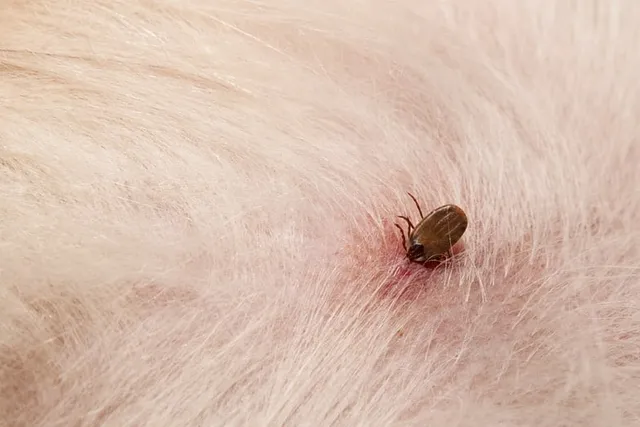
Tick Paralysis In Dogs: Our Vet Explains The Signs, Causes & Treatments


In this article
Tick paralysis is exactly what its name implies – the onset of paralysis secondary to one or multiple tick bites. This condition comes on quickly and is associated with a toxin that may be carried in the saliva of a tick. Continue reading to find out more about this scary disease, what causes it, and what to do if you think your dog may have tick paralysis.

What Is Tick Paralysis?
Tick paralysis is a progressive motor paralysis that is caused by a tick bite and the toxin Ixodes holocyclus. There are certain species of ticks that may pass this toxin from their saliva into the bloodstream of the affected dog. Over the course of a few days, the toxin causes difficulty using the legs, eventually leading to the complete inability to walk, difficulty breathing, and potentially death.
In North America, tick paralysis can be caused by any of the following genera of ticks:
- Ixodes
- Dermacentor
- Amblyomma
- Rhipicephalus
- Haemaphysalis
- Otobius
- Argas
Tick paralysis can also be seen in humans and other mammals. If you and your dog go hiking and/or camping often, or live in an area with a high tick population, always speak with your veterinarian and your primary physician on the best preventative measures.

What Are the Signs of Tick Paralysis in Dogs?
After a tick attaches and spreads the toxin to your dog, signs will start to develop anywhere from 3–9 days later. At first, you may notice a change in your dog’s bark and the incoordination of their hind legs. This will often look like hind leg weakness, crossing the limbs, scuffing the limbs, and/or having trouble getting up/down in the back. These signs quickly progress to difficulty breathing, gagging, coughing, vomiting, and then complete paralysis. Within days, your dog may be recumbent (unable to get up and/or move on their own), have dilated pupils with difficulty breathing, and an inability to eat and drink.
Unfortunately, some dogs will pass away from tick paralysis. This is due to the toxin spreading to multiple organs, in addition to hypoxia and hypoventilation. In other words, your dog is unable to breathe appropriately, so they are not circulating appropriate amounts of oxygen to all of their organs and cells.
When these signs begin, a thorough search over your dog for the presence of a tick still attached is needed. If you are unable to find any ticks still attached, oftentimes you will find the remnants of a tick bite. This is a small, circular, and sometimes crusted red crater in the skin, typically about the size of a fingertip. There should be no hair loss and/or itching associated with a tick bite.
What Are the Causes of Tick Paralysis?
Tick paralysis is caused by a neurotoxin that is passed from an affected tick to your dog while the tick is attached. This toxin will be circulated from the lymph and into the bloodstream, carrying the toxin to all of the organs and tissues of the body. This toxin has a cascade effect on the potassium channels of the cells which in turn cause changes in the intracellular calcium levels. These changes will cause the progressive motor weakness and eventual paralysis that is seen with the disease.

How Do I Care for a Dog With Tick Paralysis?
If you start to notice any of the above signs, you should bring your dog to a veterinarian as soon as possible. Any attached ticks should be removed immediately. Make sure you check within the folds of the ears, between toes, and the vulva or prepuce for any ticks that may be hiding.
Once the ticks are removed, affected dogs may worsen for the first 24–48 hours. For this reason, we recommend having your dog hospitalized and monitored at an emergency hospital. They can help provide supportive care such as oxygen, fluids, and bladder expression if your dog is in critical condition. If your dog makes it through those first few days, they often start to improve on their own.
While recovering, your dog will still need aggressive supportive care. They may need IV fluids and nutritional support while they are having trouble eating and/or swallowing. Bladder expression or even a urinary catheter may be placed if your dog cannot hold themselves up to urinate. Your dog will need to be gently turned over so that they do not develop any bed sores and wounds. Oxygen support is often provided due to the changes in breathing.
Any dog affected by tick paralysis will need to be kept quiet and return to exercise and activity slowly. Your dog should always be taken on supported leash walks – using a towel or harness – while they regain strength. Once your dog has completely normalized, you should follow up with your regular veterinarian to make sure your dog is healthy enough to return to activity.

Frequently Asked Questions (FAQ)
How Can I Prevent Tick Paralysis?
There are a number of effective flea and tick preventatives on the market nowadays. We always recommend getting a prescription tick preventative from your veterinarian as OTC products are not as effective in addition to not having the same quality control (in other words, you may be purchasing a counterfeit product). Depending on where you live and what your dog’s tick exposure is, your veterinarian can recommend the best product for your dog.
Are There Risks With Preventatives?
The drugs that help prevent ticks all carry a small risk for neurologic side effects in dogs who consume them. These risks are increased for dogs who already have a previous history of neurologic disease such as seizures. However, these risks are extremely small, far outweighing the risks of your dog contracting not only tick paralysis but potentially other life-threatening tick-borne diseases such as Lyme Disease.

Is Tick Paralysis Common?
Tick paralysis is most common in Australia. However, because there are over 40 species of ticks that can cause the disease, it’s not uncommon to see it in endemic areas.
Conclusion
Tick paralysis is caused by a toxin that is released from the saliva of a tick and is passed into the bloodstream of the dog. This disease can also affect people and other mammals. The toxin typically causes abnormal signs to develop within 3–9 days, progressing quickly. At first, your dog may be unable to bark and have trouble walking with their back legs. This then progresses to difficulty breathing, and an inability to walk, eat and drink. Death from hypoventilation and other complications can occur.
Any ticks that are still attached should be immediately removed, and your dog taken to a veterinary hospital to receive supportive care. If your dog survives and starts to improve over the first 2–3 days after tick removal, they have a good chance for full recovery. If you live in an area with a high tick population, speak with your veterinarian about getting your dog on a regular prescription preventative to help decrease any risk of tick paralysis.
Sources
Featured Image Credit: Przemek Iciak, Shutterstock
Expert dog care, straight to your inbox
News, insights, expert advice, and everything dog.

No spam — unsubscribe anytime.
By signing up, you agree to our Terms & Conditions and Privacy & Cookies Policy.
How useful was this post?
Click a star to rate. You can leave written feedback afterwards. (We read all feedback.)
Dr. Kim Podlecki DVM (Veterinarian)
A graduate of The Ohio State University College of Veterinary Medicine, Dr. Podlecki has more than 12 years of experience working with small animals in the US. Dr. Podlecki worked almost exclusively in specialty medicine and emergency for more than a decade before transitioning to relief in both general practice and ER. Dr. Podlecki also owns her own consulting company (renewvetconsulting.com) with the focus of helping veterinary hospitals prioritize their staff to promote a healthier internal culture.