
7 Best Dog Foods for Bladder Stones in 2026 - Reviews & Top Picks


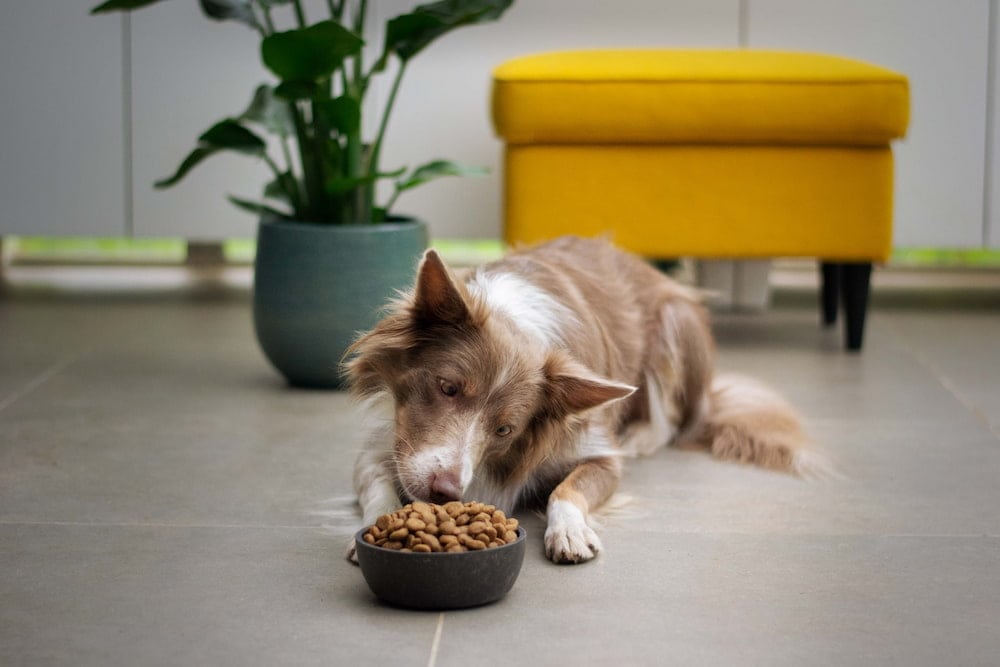
Bladder stones are painful, leaving your dog feeling miserable, and they can also lead to serious and dangerous health complications. In many cases, dogs require surgery to remove larger bladder stones and, depending on the type of stone, will likely require a specific diet to stop more stones from forming. They may need to stay on this diet for months, years, or for the rest of their lives.
What Are Bladder Stones?

Bladder stones are solid accumulations of urinary crystals that form in the urine as a result of high urine pH, dehydration, or inappropriate mineral content. Urinary crystals and some smaller bladder stones can often be managed with diet, but the type of food needed is highly dependent on the type of stone or crystal involved, such as calcium oxalate or struvite. Some diets are designed to help dissolve small stones and crystals; others are formulated to prevent the formation of specific types of crystals or stones, while some are simply designed to promote ideal urinary health.
For dogs diagnosed with bladder stones or crystalluria, ensuring your dog stays hydrated and takes in lots of water is key, and there are many options for dietary management. Different foods have different actions, depending on the type of bladder stone your dog has, so it’s important to understand the aim of each diet before you commit to buying. As some dogs may require long-term dietary management for bladder stones, we have put together a list of foods for bladder stone management and prevention that your dog will love.
Important Note: The foods reviewed here were chosen because they have certain characteristics that might help with some of the causes or consequences of this medical condition. However, they are not a medical treatment or a substitute for medical treatment. Keep in mind that each medical case is different and what works for some pets may not work for others. Your veterinarian is the right person to advise you on the best diet for your pet’s individual case.
In this article

A Quick Comparison of Our Favorites in 2026
| Rating | Image | Product | Details | |
|---|---|---|---|---|
Best Overall
 |
|
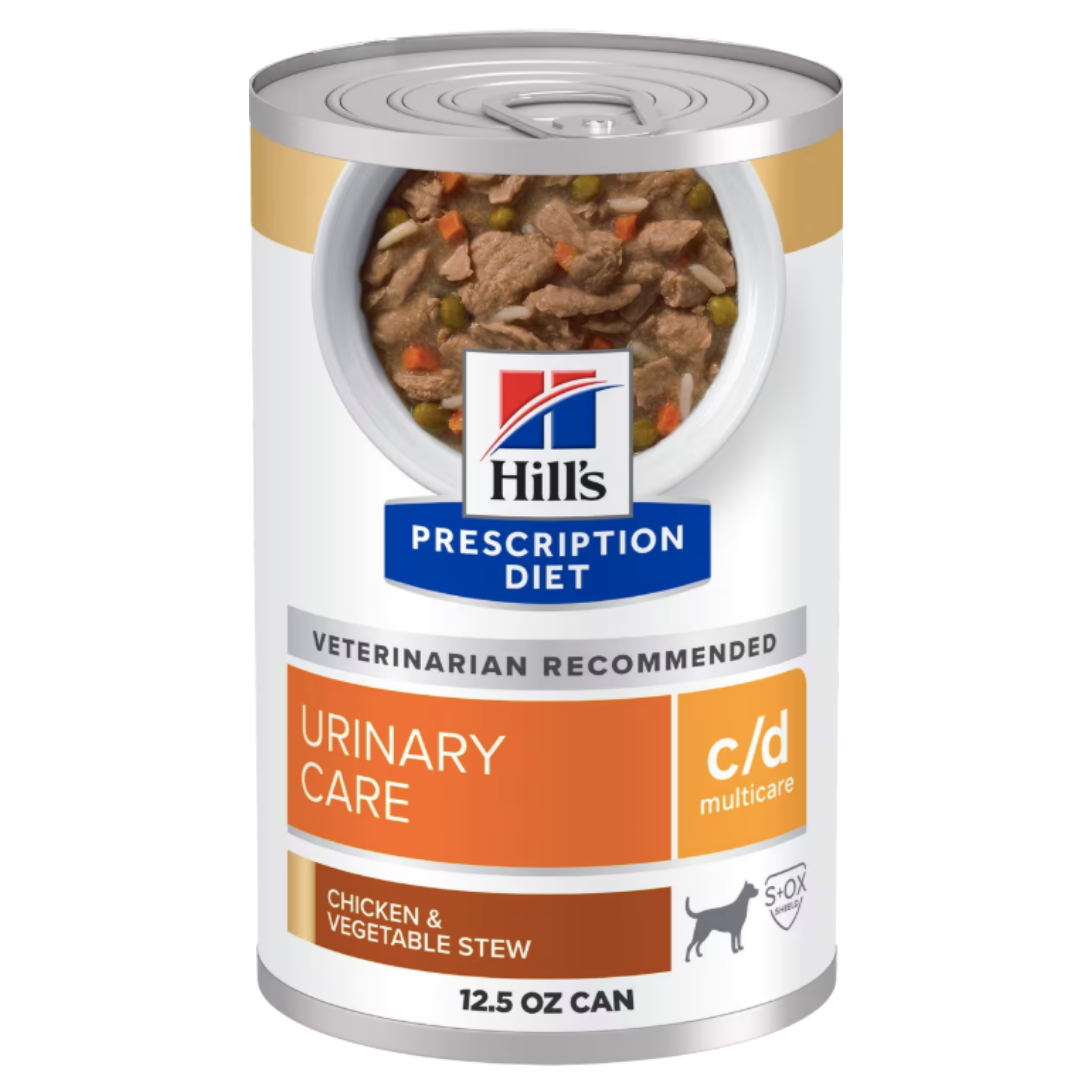
Hill's Prescription Diet c/d Multicare Urinary Care Chicken & Vegetable Stew Wet Dog Food |
|
Check Price |
Best Dry Food
 |
|
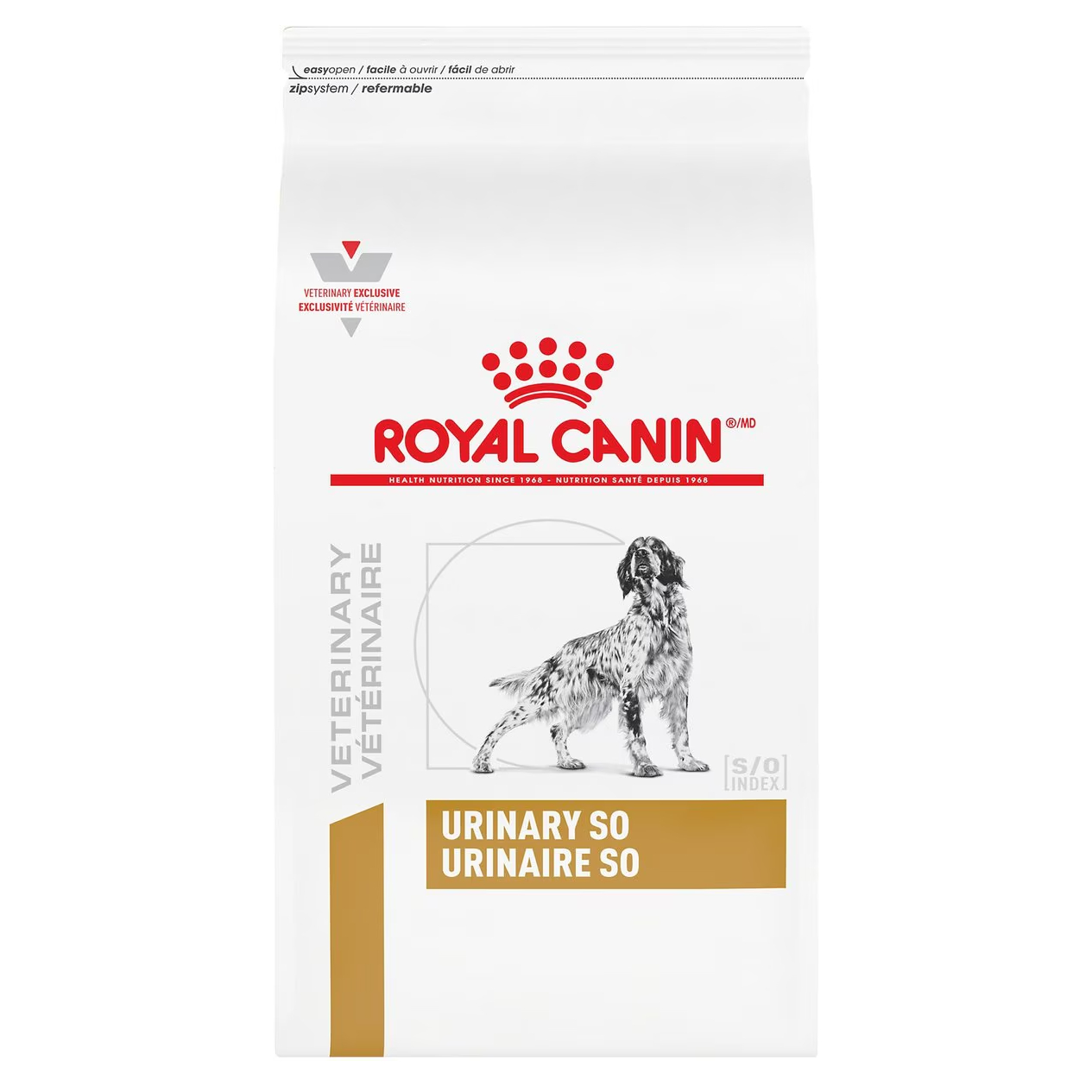
Royal Canin Urinary Dry Dog Food |
|
Check Price |
Best for Small Dogs
 |
|
Hill's Prescription Multicare Dry Dog Food |
|
Check Price |
|
Purina Veterinary Dry Dog Food |
|
Check Price | |
| Overall Health |
|
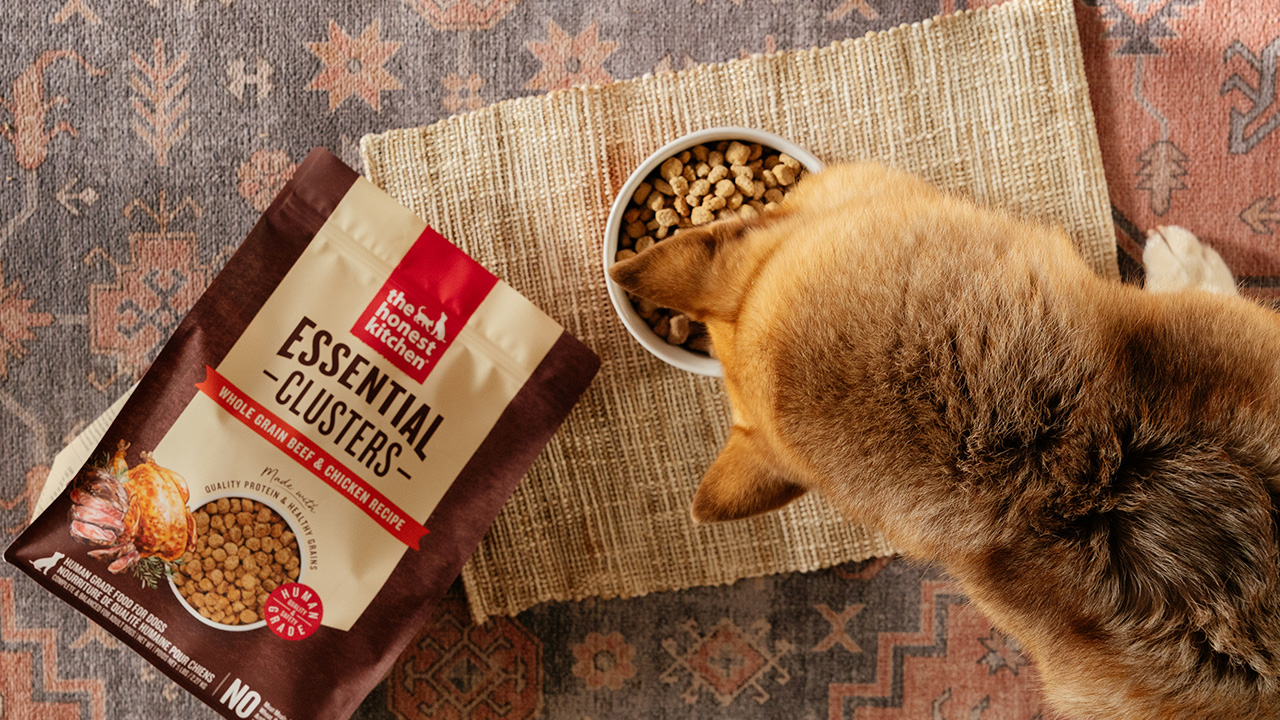
The Honest Kitchen Dehydrated Dog Food |
|
50% off $30+* |
* The Honest Kitchen 50% discount applies to first-time orders only and requires a minimum purchase of $30.
The 7 Best Dog Foods for Bladder Stones
1. Hill's Prescription Diet c/d Multicare Urinary Care Chicken & Vegetable Stew Wet Dog Food - Best Overall
| Main ingredients: | Water, Chicken, Pork Liver, Carrots, Rice |
| Protein content: | Minimum 3.2% (as fed) |
| Fat content: | Minimum 1.6% (as fed) |
| Calories: | 266 kcal per 12.5 oz can (751 kcal/kg) |
You might think that listing water as the top ingredient sounds like you’re paying a lot of money for something you can get out of a faucet, but in the case of dogs with bladder stones, crystalluria, and other urinary issues, moisture content is key. The Multicare Urinary Care wet food from Hills comes in three different chicken options (Chicken & Vegetable Stew, Chicken, and Chicken, Vegetables & Rice Stew), plus a Turkey & Vegetable Stew, giving dogs with a chicken allergy another option.
Some of the flavors come in different sizes, from small pouches to large cans, so it’s easier to shop for your dog, and most owners report that their dogs love the taste, making urinary health management tasty. Because dogs generally need to consume larger amounts of wet food when compared to dry kibble, it can become an expensive option for larger dogs, but if it saves them from surgery, it’s well worth the expense. One way to offset the cost of this food is to feed it alongside the dry version, which you’ll find at number 3 on our list.
Pros
- Suitable for dogs with struvite or calcium oxalate crystals
- Available in chicken and turkey options
- Helps reduce the risk of calcium oxalate stone formation
- Dissolves struvite stones and helps reduce the risk of recurrence
Cons
- Can be a bit pricey
- May require a veterinary prescription
2. Royal Canin Urinary Dry Dog Food – Best Dry Food
| Main ingredients: | Brewers rice, corn, chicken fat, chicken by-product meal, brewers rice flour, corn gluten meal |
| Protein content: | Minimum 17.0% |
| Fat content: | Minimum 15.0% |
| Calories: | 3,741 kcal/kg, 333 kcal/cup |
Our pick for the best overall dog food for bladder stones is Royal Canin Urinary S/O. It is a veterinary-exclusive dry dog food that will support your dog’s urinary health. It increases the amount of urine your dog produces, which dilutes the excess minerals that cause crystals and stones.
It helps reduce the risk of calcium oxalate stone formation, and this specialized nutrition, along with a reduced level of magnesium, helps dissolve struvite stones and reduce the risk of their recurrence. Not only this, but the Relative Super Saturation (RSS) methodology lowers the risk of crystal formation in the bladder by lowering the ion concentration in urine.
The food is expensive but has an added benefit that it is suitable for all breeds and sizes of dogs, and your dog will be a big fan of its tasty chicken flavor.
Pros
- Veterinary exclusive
- Helps reduce the risk of calcium oxalate stone formation
- Dissolves struvite stones and helps reduce the risk of recurrence
- Tasty chicken flavor
Cons
- Pricey
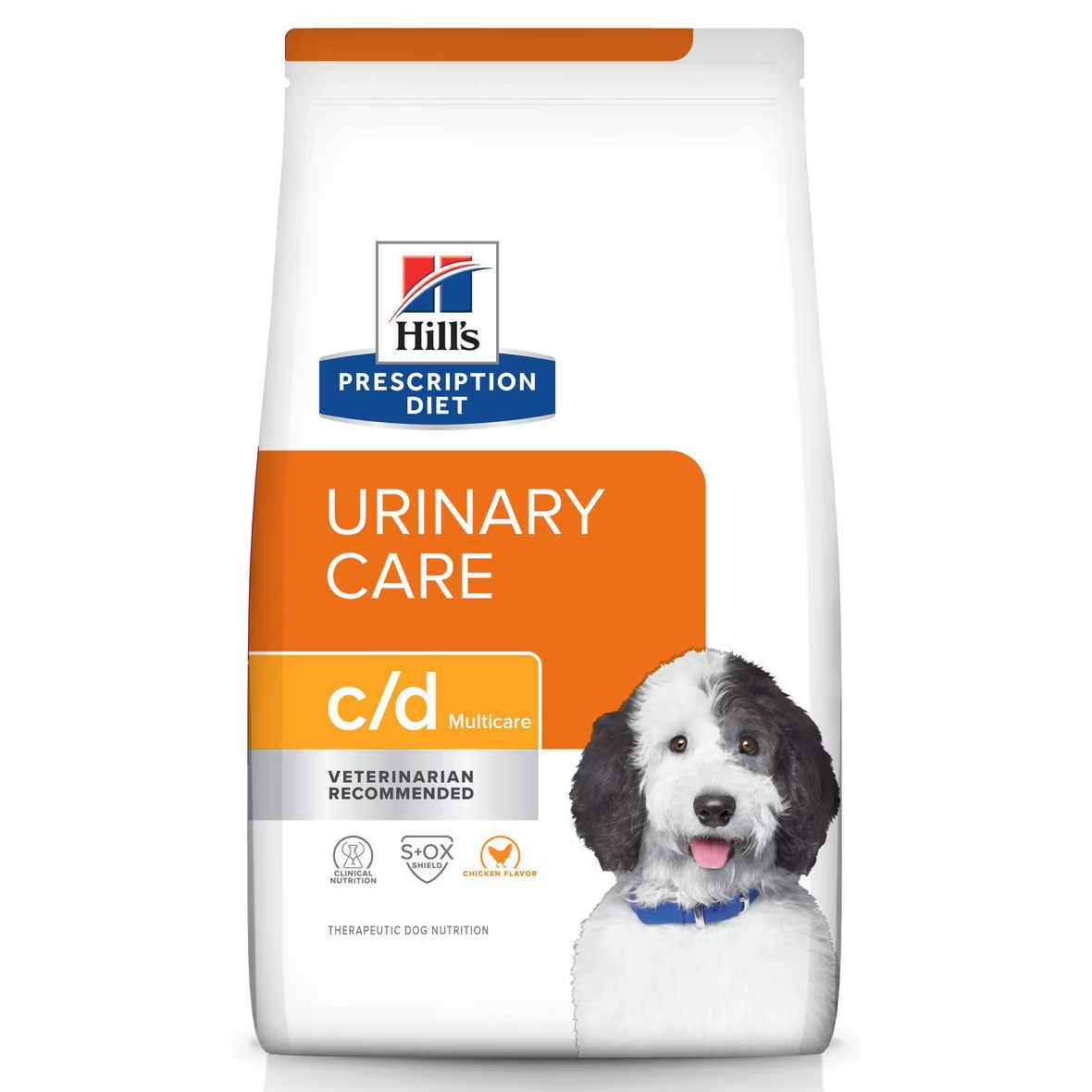
3. Hill's Prescription Multicare Dry Dog Food – Best for Small Dogs
| Main ingredients: | Whole grain corn, chicken meal, pork fat, corn gluten meal, soybean mill run |
| Protein content: | Minimum 18.0% |
| Fat content: | Minimum 13.0% and Maximum 18.0% |
| Calories: | 375 kcal/cup |
As food plays such a key role in your dog’s overall health and wellbeing Hill’s Urinary Care c/d was developed by nutritionists and veterinarians to help support your dog’s bladder and healthy urinary function. Together they have produced food with a precise balance of magnesium, calcium, and phosphorus to deliver essential nutrition without overloading your dog’s system.
It achieves this by keeping your dog’s urine low in minerals and metabolites which are responsible for creating stones. It provides carefully controlled mineral levels to help reduce the risk of calcium oxalate stones. Low sodium helps support urinary health and proper urine concentration.
As the kibble is smaller than some other brands, it is ideal for small breeds to enjoy.
Pros
- Helps reduce the risk of struvite and calcium oxalate stone formation
- Supports urinary health
- Small kibble
- Developed by professionals
- Low sodium
Cons
- Kibble size is better suited for small dogs, not large breeds
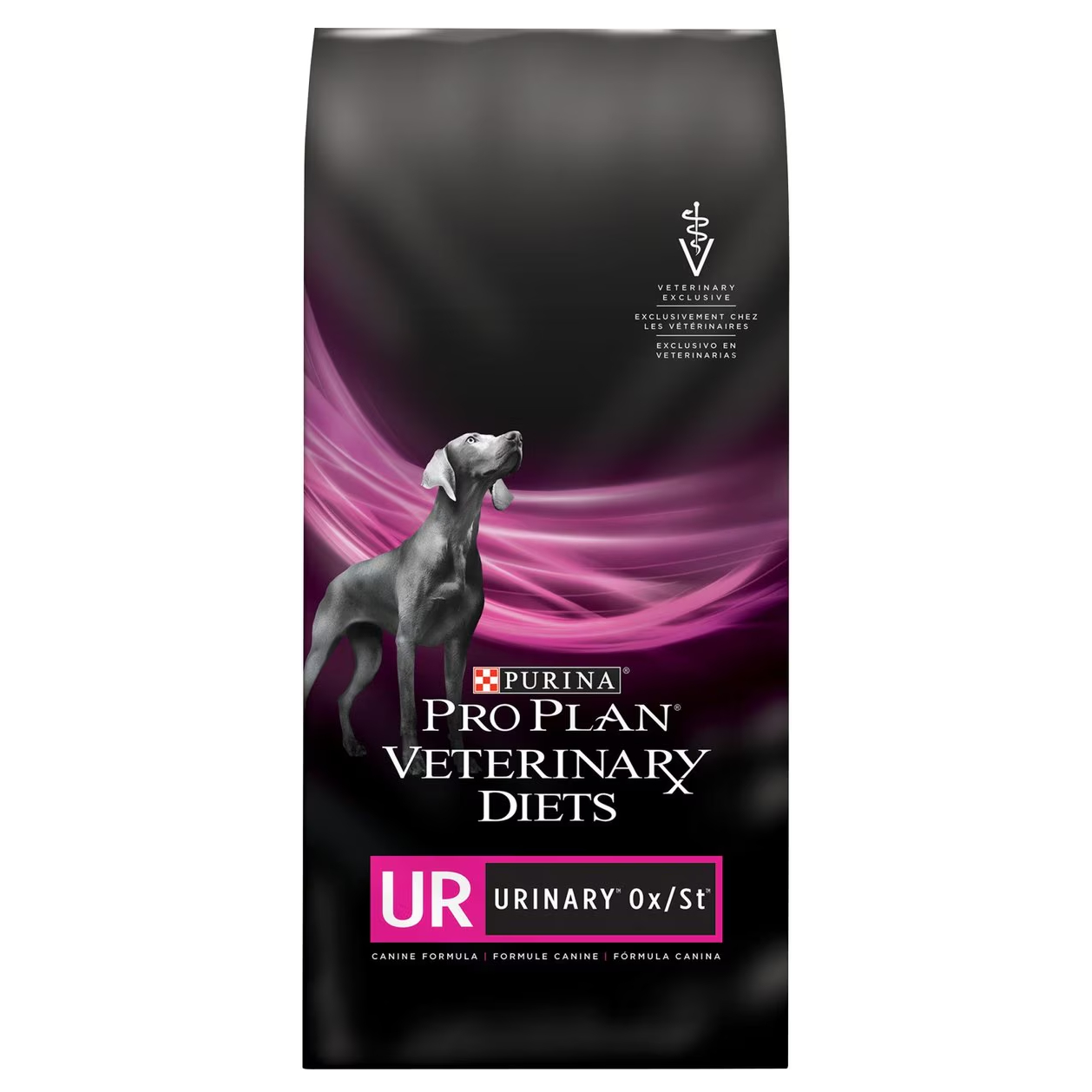
4. Purina Veterinary Dry Dog Food
| Main ingredients: | Whole grain corn, Brewers rice, chicken by-product meal, corn gluten meal |
| Protein content: | Minimum 21.0% |
| Fat content: | Minimum 9.0% |
| Calories: | 3,542 kcal/kg, 408 kcal/cup |
Purina Veterinary food is formulated to support urinary health and help reduce the risk of urinary stone formation. It is a great tasting option for your dog’s urinary health and is the result of a nutritionist, researcher, and veterinarian collaboration that has resulted in food that features high-quality and healthy antioxidants for a therapeutic diet for your dog.
It is formulated to dissolve existing sterile struvite stones and help reduce the risk of new struvite and calcium oxalate crystal formation. This diet acidifies urine and has a reduced concentration of the ions and compounds that contribute to the formation of urinary stones.
The large kibble can be a challenge for smaller dogs, however, when moistened with water it will be easier for them to eat.
Pros
- Tasty option
- Therapeutic urinary diet
- Specially formulated
Cons
- Pricey
- Large kibble, may not suit small breeds
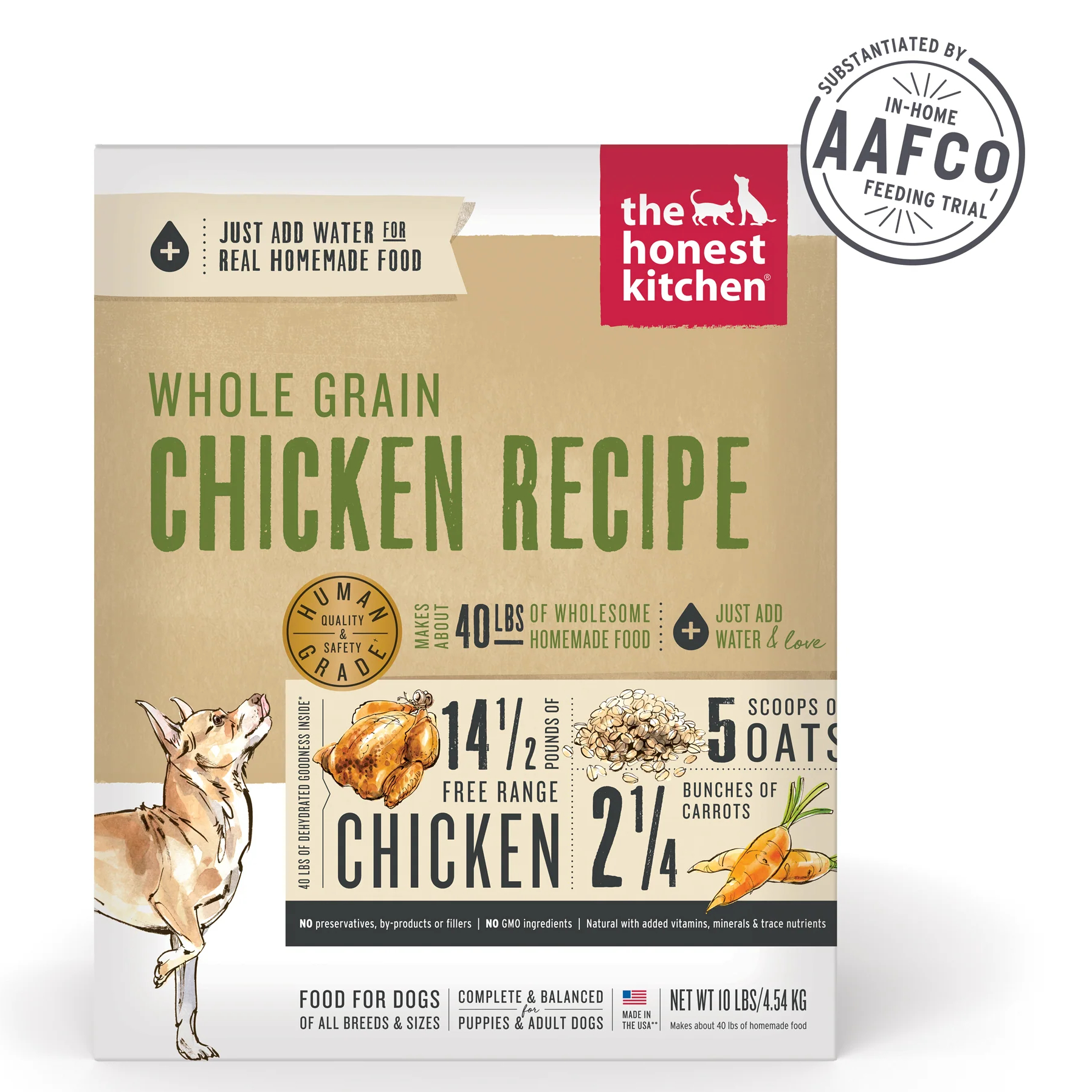
5. The Honest Kitchen Dehydrated Dog Food
| Main ingredients: | Dehydrated chicken, organic barley, dehydrated potatoes, organic flaxseed, organic oats |
| Protein content: | Minimum 24.5% |
| Fat content: | Minimum 14.0% |
| Calories: | 4,270 kcal/kg, 485 kcal/cup |
The Honest Kitchen provides a diet that can be rehydrated with water, which helps increase fluid intake, an important factor in urinary health. Not only that, but it is flavor-filled and hassle-free for you! All you need to do is add warm water, and you’ve got a warm, tasty meal ready to go!
Real food is used, including free-range chicken and organic oats. It is made to a high standard, formulated to meet AAFCO nutritional profiles for complete and balanced diets, and without preservatives, and it is nutritionally suitable for adult dogs and puppies of any breed and size.
Pros
- Hassle-free
- Formulated to meet AAFCO nutritional standards
- Suitable for all breeds, sizes, and ages
- High water content
Cons
- Higher price
- Not specifically formulated for urinary issues
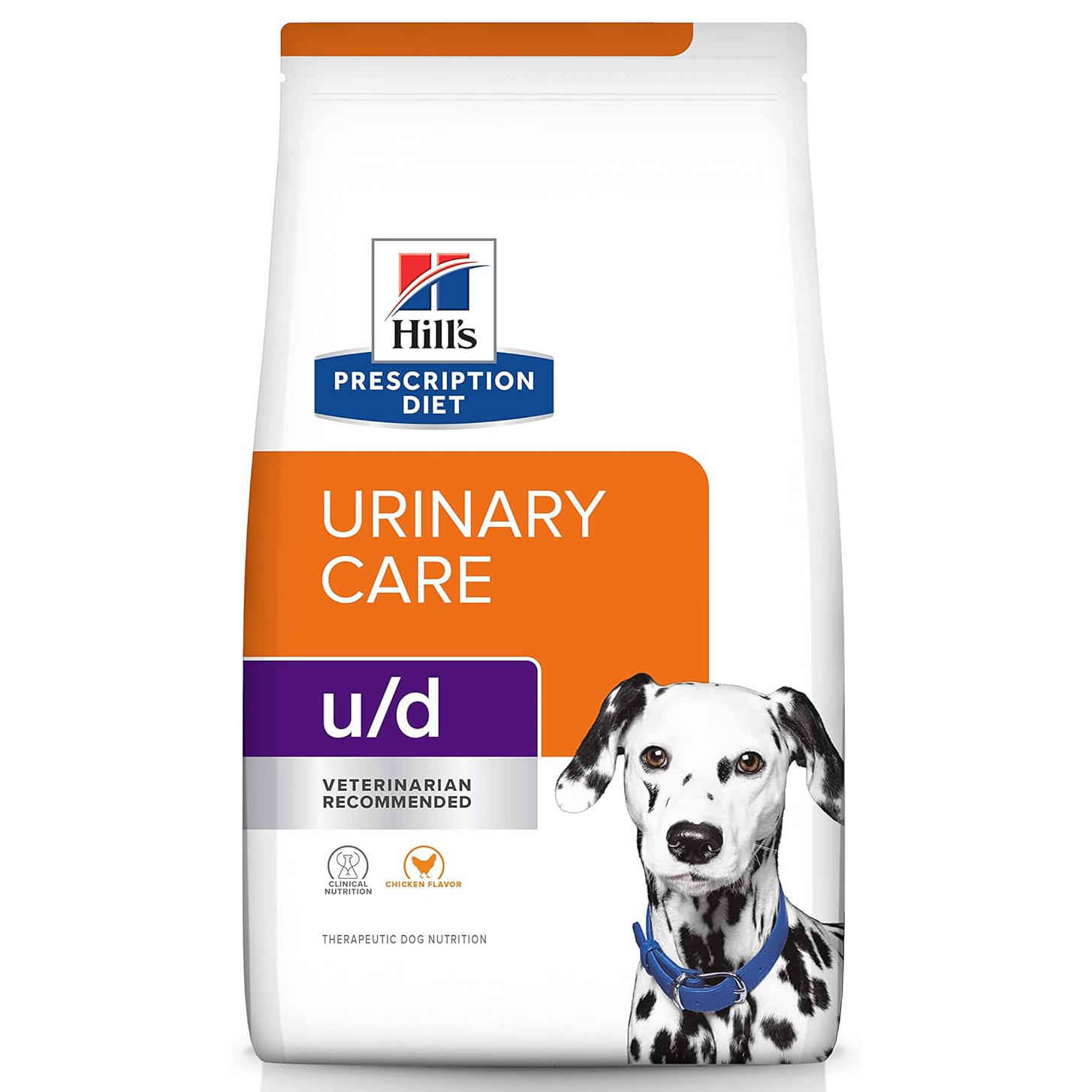
6. Hill's Prescription Urinary Care Dry Dog Food
| Main ingredients: | Brewers rice, corn starch, pork fat, egg product |
| Protein content: | Minimum 8.0% and Maximum 12.0% |
| Fat content: | Minimum 17.5% |
| Calories: | 398 kcal/cup |
Nutritionists and veterinarians have developed specially formulated food that provides nutrition to help support your dog’s bladder health. It contains nutrients with antioxidant properties that support normal cellular health. The controlled protein and mineral levels in this diet help reduce the risk of non-struvite bladder stones forming.
The added taurine and high levels of L-carnitine also help to maintain a healthy heart muscle function, to keep him happy and active. The small kibble size may make it easier for many dogs of different sizes and breeds to eat. The original flavor can smell like corn and has more of a bland taste than other options.
Pros
- Professionally formulated
- Low levels of calcium
- Small kibble sizes
Cons
- Bland taste
- Not suitable for struvites
7. Grandma Lucy’s Pureformance Dog Food
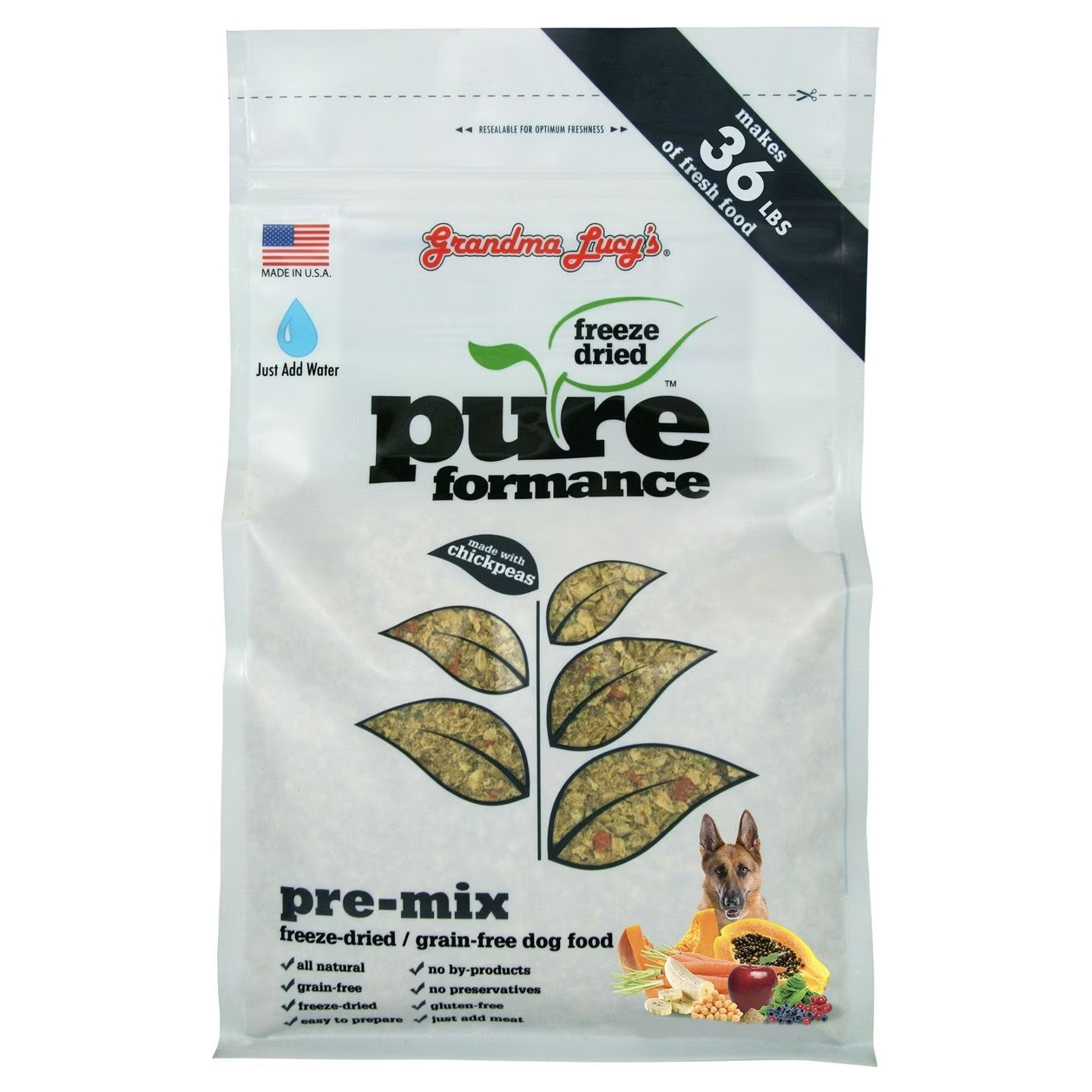
| Main ingredients: | USDA chickpeas, flax, carrots, celery, apples, bananas, blueberries, cranberries, pumpkin, papaya, spinach |
| Protein content: | Minimum 21.0% |
| Fat content: | Minimum 9.0% |
| Calories: | 3,215 kcal/kg, 415 kcal/cup |
A clever way to supplement your dog’s diet, increase hydration, and improve bladder health is by adding Grandma Lucy’s pre-mix food, an easy to prepare, freeze-dried mix that you mix with warm water and add to your dog’s favorite food. It contains fruits and vegetables as part of a plant-based mix, which can be used as part of a balanced diet, but is not a proven treatment for preventing urate or purine bladder stones.
It is all-natural and rich in natural omega fatty acids that help maintain a healthy coat, skin, and joints. Being pre-mixed, it saves you the time and inconvenience of selecting, storing, measuring, and preparing ingredients individually. There are no by-products or preservatives, and you can control the moisture level by adding more or less water – more is better for dogs with bladder stones! Some dogs might not be overly fond of the texture, which can be mushy thanks to the chickpeas.
Pros
- Easy to prepare
- Can be part of a balanced diet when paired appropriately with protein sources
- Healthy and natural supplement
- Adds tasty moisture to food
- Time-saver
Cons
- Not specifically designed for urine issues
- Mushy texture
Buyer’s Guide: How to Choose the Best Dog Food for Bladder Stones
When considering what dog food would be best, there are a few things to keep in mind. First, it’s important to recognize the signs of bladder stones.
Signs of Bladder Stones
Bladder stones can vary in size and may increase in number or grow over time depending on urine characteristics and underlying conditions.
If your dog has bladder stones, they may exhibit some of the following signs:
These symptoms are not just indicative of bladder stones; they could also be a sign of infections or tumors, for example, but your veterinarian will be able to confirm with an X-ray or ultrasound. Switching your dog onto a urinary diet without a veterinary diagnosis can be dangerous, so always speak to your vet before purchasing any of the foods above.
If you are far from a vet clinic and need urgent vet advice and guidance on the best course of action you can chat with a vet online.
How Are Bladder Stones Formed?
Bladder stones (uroliths) develop when minerals in the urine become overly concentrated and form crystals that gradually grow into stones. The most common types in dogs are struvite and calcium oxalate stones, while urate and cystine stones occur less frequently and are often linked to specific metabolic or genetic conditions.
A veterinarian will determine the type of stone present and may prescribe antibiotics if a bacterial urinary tract infection is involved, which is commonly associated with struvite stones. In many cases, a therapeutic urinary diet is also recommended to help dissolve certain types of stones (such as struvite stones) and reduce the risk of new stone formation. Depending on the underlying cause, this treatment approach may require long-term dietary management.
Because urinary stones can recur, finding a diet that is both nutritionally appropriate and palatable for your dog is an important part of long-term care.
The Importance of Diet in Preventing and Managing Bladder Stones
Diet plays a pivotal role in the prevention and management of bladder stones, but the ideal nutritional strategy depends on the specific type of stone involved. Veterinary therapeutic diets are designed to influence factors such as urine concentration, mineral content, and urine pH, helping reduce the conditions that allow crystals to form.
For struvite stones, diets are often formulated to help create urine conditions that discourage crystal formation and, in some cases, support dissolution of existing stones, typically alongside treatment for the urinary tract infection.
For calcium oxalate stones, prevention focuses on increasing water intake to dilute urine, along with carefully balanced levels of minerals such as calcium and oxalate. Unlike struvite stones, calcium oxalate stones cannot be dissolved with diet once formed, so prevention of recurrence is the primary goal. Because each stone type has different causes and dietary targets, veterinary guidance is essential when choosing the most appropriate long-term diet strategy.

Struvite Bladder Stones
Struvite stones are most commonly associated with urinary tract infections, so preventing and promptly treating infections can help reduce the risk of this type of stone forming. Keeping your dog well hydrated is important, as increased water intake helps dilute urine. Veterinary urinary diets often include controlled levels of protein, magnesium, and phosphorus to support healthy urine composition and reduce the risk of stone formation.
Calcium Oxalate Stones
Diets that dilute the urine and contain moderate to low levels of animal protein are recommended. Canned food offers you a higher amount of water, diluting the urine. In some cases, veterinary guidance may recommend limiting specific high-oxalate foods as part of a broader dietary strategy to reduce calcium oxalate stone risk.
Urate Stones
Urate stones are not as common and are sometimes referred to as purine stones. They are formed in concentrated urine and are more common in certain breeds due to genetic factors affecting purine metabolism, such as liver-related conditions. A low-purine diet that limits high-purine ingredients such as organ meats and uses carefully selected protein sources is typically recommended to help manage this type of stone.
Cystine Bladder Stones
These types of stones are rare, but when they do occur, they usually do so in male dogs. Choose a diet that promotes diluted urine, which canned or wet food can help with by increasing urine dilution, which is important because cystine stones are linked to a genetic defect in amino acid transport rather than urine acidity. Like urate stones, dietary management may include controlled protein intake and specific formulations designed to reduce cystine formation while maintaining balanced nutrition.
Our Selection Process For Dog Foods for Bladder Stones
To create this buyer's guide, our writing team and editorial staff checked customer reviews, brand reputation, and veterinary approval ratings to present the dog foods we think should be highlighted for our readers. In some cases, we conducted hands-on testing along with seeing how much our dogs liked the dog foods. All these factors were considered when selecting these listed dog foods to help you make the best purchase for your furry friends.
Why Trust Dogster?
Since 2004, Dogster has been a trusted brand for dog owners online, which means we have a lot of experience with dog foods. We take pride in promoting the well-being of all dogs—from toy breeds to giant canines. Our in-house veterinarians, writers, and editors examine each product on our lists, ensuring its quality and reputation. As pet owners ourselves, we only want the best for our furry companions. At Dogster, we are transparent about the products we promote. The nutritional information, overall brand reputation, and customer reviews are all considered for these lists. We inform you how we want to be informed.
Conclusion
Understanding the link between diet and the prevention and management of bladder stones will help you make an informed decision about the best food for your dog going forward.
Our top choice is Hill’s Prescription Diet c/d Urinary Care Chicken & Vegetable Stew, which is formulated to support urinary health by increasing urine dilution and helping reduce the risk of struvite and calcium oxalate stones. For those who prefer a dry kibble, Royal Canin Urinary S/O was created to dissolve pure struvite stones and prevent calcium oxalate stones. For small dogs, Hill’s Urinary Care helps reduce the risk of struvite and calcium oxalate stones, but it does not guarantee prevention. We also love The Honest Kitchen’s Wholegrain Dog Food, a balanced, rehydratable diet that can support hydration but is not a veterinary urinary formulation.
We hope this guide helps you navigate the different options, but make sure to always consult with your vet to find the right food to keep your dog healthy, happy, and bladder stone-free!
Featured Image Credit: Ayla Verschueren, Unsplash
Expert dog care, straight to your inbox
Vet-reviewed advice, training tips, and the best of Dogster. Free, and you can unsubscribe anytime.
By signing up, you agree to our Terms & Conditions and Privacy & Cookies Policy.
Nicole has loved animals of all sizes her whole life so it's no wonder she has dedicated her career to helping them through what she loves best: learning, writing, and sharing knowledge with others. She’s the proud mom of two dogs, a cat, and a human. With a degree in Education and 15+ years of writing experience, Nicole wants to help pet parents and pets around the planet to live happy, safe, and healthy lives.
Join the conversation
Ask a question, share your story, or send private feedback.