Get

In Your Inbox

Dogster is reader-supported. When you buy via links on our site, we may earn an affiliate commission at no cost to you. Learn more.

What Is a Normal Dog Respiration Rate? Vet-Reviewed Facts

Share

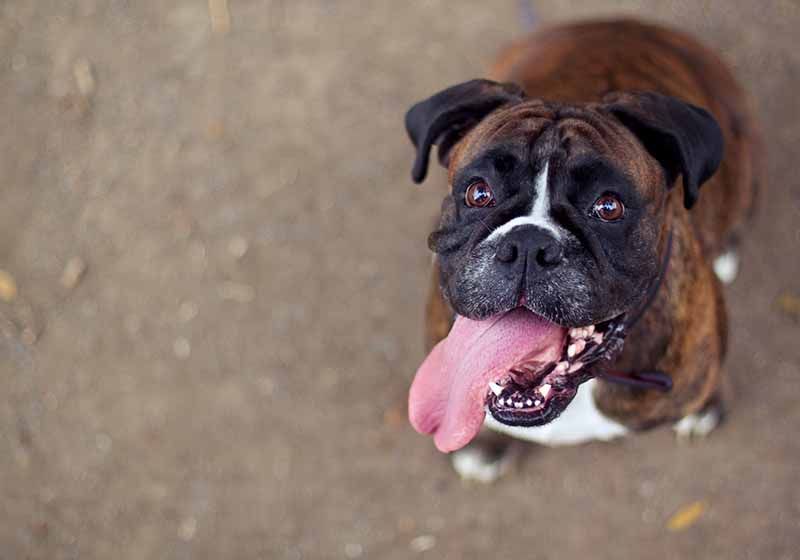
Funny smiling boxer dog looking into the camera

Dogs can have a very wide range of respiration rates. Some dogs sleep so deeply that they can look dead because their respiration rates drop so low. Other dogs are frequently active or hyper and spend large portions of the day panting. So, what counts as a normal respiration rate? When is your dog’s respiration rate a cause for concern?

We reviewed the information provided by multiple veterinary hospitals to get the best answer to these essential questions. An abnormal respiration rate can be a sign that something is seriously wrong with your dog, so knowing what is normal and what isn’t is important to screen your dog’s health while at home.

divider dog paws 4 oct 2024

Normal Dog Respiration Rate

The regular respiration rate for an adult dog at rest is between 10 and 30 breaths per minute. The wide range of a normal respiratory rate is attributed to the many different sizes of various dog breeds and their chest conformation. For example, larger dogs typically have a lower resting respiration rate than smaller dogs. Each dog will have a respiration rate that is personal and normal for them.

A higher respiration rate is expected in situations where your dog is exerting itself (playing, running, or exercising) or if your dog is hot or scared.

The times you should worry about an abnormal respiration rate are when:

  • Your dog is calm and relaxed and is still experiencing a high respiration rate.
  • Your dog seems to be exerting a tremendous amount of effort from his or her abdominal muscles to breathe.
  • Your dog’s respiratory rate seems abnormally low.
  • Your dog is struggling to breathe or panting when there’s no reason to pant.
german shepherd with stick out tongue
Image By: vz mazem Shutterstock

How to Take Your Dog’s Respiration Rate at Home (And Why You Should)

Abnormal respiration rates can be a sign that something is wrong with your dog. For that reason, catching these signs early can be an early warning that allows you to find and address a problem before it becomes too severe.

The best way to take your dog’s respiration rate is to wait until they are relaxed and calm (but not asleep) and then set a timer for 1 minute. Start the timer and then count your dog’s breaths by the movement of their chest. Count for the entire minute and record the date, time, and the reading. You can do it a second time to get a better average.

Take note that under normal circumstances, you shouldn’t be able to observe your dog’s chest move much while they breathe at rest. If your dog’s chest or abdomen seems to be contracting heavily even when they’re resting, you should have them looked at by your veterinarian as soon as possible.

Just like us, a dog’s respiratory rate will naturally decrease when they sleep. Though taking respiratory rates while a dog sleeps is easy, it’s not a good reference point for determining your dog’s normal respiratory rate.

If you are concerned about your dog’s resting respiratory rate, it is a good idea to do this every few hours and get at least three data points.

Your dog’s respiratory rate could be a sign of an issue if you observe one of the following:

  • Your dog’s respiratory rate is routinely above average when they are calm and relaxed.
  • Your dog’s respiratory rate is routinely below average when they are calm and relaxed.
  • Your dog seems to be exerting extra effort to breathe even when they are calm and relaxed.
  • Your dog’s breathing pattern at rest is inconsistent (for example, multiple shallow breaths for a while followed by a period of normal breathing).

If your dog is showing one of these signs, we suggest you speak to a vet.

If you need to speak with a vet but can't get to one, head over to PangoVet. It's our online service where you can talk to a vet online and get the advice you need for your dog — all at an affordable price!

PangoVet_Mention-in-Content Savings V1

divider dog paws 4 oct 2024

Reasons for Abnormal Respiration Rates at Rest

If you find your dog’s respiratory rate abnormal, it warrants veterinary attention as soon as possible. There are several reasons why you might be observing an abnormal respiratory rate in your pup.

Common Reasons for an Abnormal Respiration Rate
  • Pain or injury
  • An underlying disease or infection
  • A heart issue
  • A respiratory system issue
  • Conformation issues (this is very common in flat-faced breeds, like the Pug)
  • Low levels of blood oxygen
  • Poisoning
  • A moderate to severe allergic reaction
  • An abnormal growth or a tumor
  • Congenital issues (often observed in recently weaned puppies)

Make Sure to Take the Respiratory Rate at Rest

As we mentioned, a dog’s respiration rate can vary wildly depending on the situation. To get an accurate baseline, you must take your dog’s respiration rate while they are calm and relaxed (but awake). For example, you can also take your dog’s respiration rate while they are calmly lying down as long as they have not recently been exerting themselves.

Do not take your dog’s respiration rate when they are panting after exercise. Panting is a natural behavior in dogs that is rarely concerning but can throw off your ability to take an accurate reading. Panting can be caused by several factors: stress, happiness, heat, and exercise, to name a few.

If you try and take the respiration rate while your dog is exercising, active, stressed, or sick, you will not get an accurate baseline.

sick dog lying
Image Credit: MDV Edwards, Shutterstock

What to Do if Your Dog Has an Abnormal Respiration Rate

If you suspect that your dog has an abnormal respiration rate while they are at rest, the best thing to do is to schedule an appointment with your veterinarian. Your vet will be able to take your concerns into account and look for signs of an underlying issue that may be the reason why your pup isn’t breathing as it should. Catching these types of problems in their earliest stages is the best way to ensure successful treatment down the line.

divider dog paws 4 oct 2024

Final Thoughts

The average respiration rate in dogs will vary from 10 to 30 breaths per minute. It is best to measure your dog’s respiration rate when they are relaxed and calm. If you notice that your dog consistently has an abnormal resting respiration rate, it could be a sign that something is wrong. If you suspect that could be the case, the best course of action is to schedule an exam with your veterinarian.

See Also:


Featured Image Credit: Lyubov Timofeyeva, Shutterstock

Want content like this delivered to you?

Sign Up For Our Newsletter

News, insights, expert advice, and everything dog

* By submitting, you agree to our Terms & Conditions and Privacy & Cookies Policy.


How useful was this post?

Click on a star to rate (you can leave written feedback after clicking submit)

Help us improve Dogster for pet parents!

Your feedback really matters.

What did you like about this post? Also how can we improve it?

Join the conversation

Leave a Reply

You’re very welcome to leave a comment or question. Please know that all comments must meet our community guidelines, and your email address will NOT be published. Let’s have a positive and constructive conversation.


Dogster's Digital Magazine is Back!​

Dogster Magazine Cover June 2026

Vet-approved health & behavior advice

Real dog stories & community features

The Organization Helping Pets Feel Safer, Happier, and ‘Fear Free’ – Heroes of the Pet World

For many pet owners, stress during veterinary visits, grooming appointments, travel, or even routine handling can feel like an unavoidable part of life...

Why Some Dogs Treat Mealtime Like Playtime – And When to Pay Attention

Most dogs are reliable eaters. Bowl goes down, food disappears. So when a dog starts batting kibble across the kitchen floor, tossing pieces...

Major Win for Dogs: Ontario Becomes the Final Province to Ban Ear Cropping and Debarking

​​Ontario has approved new animal welfare regulations that will prohibit elective ear cropping and devocalization (debarking) procedures in dogs from January 1, 2027....

Dogster’s Weekly Photo Contest Winners: Most Adorable Puppy (June 8, 2026)

Every week our team gets the privilege of sorting through our readers photos to choose what dogs will win this weeks contest! See...

More related

Do Dogs Know Their Name? Explained By Science

There are days when you’re quite sure your dog knows their name. But then there are days when you’re sure they don’t. So,...

20 Popular Boxer Mixes (With Info & Pictures)

With their high energy and playful yet loyal temperaments, it’s little surprise that Boxers are one of the most popular dog breeds in...

10 Best Puppy Brushes in 2026 – Reviews & Top Picks

Getting a puppy is one of the most exciting experiences a pet lover can look forward to. The puppy-dog eyes, endless playing, and...

Puppy Feeding Guide: Quantity, Schedule & FAQ

It is essential to feed your puppy correctly. Puppies are constantly growing and need different nutrition than an adult dog. Feeding your puppy...

Keep reading

Purina One Lamb and Rice Dog Food Review 2026: Recalls, Pros & Cons

Review Summary Purina is an extremely popular dog food company. They are the most popular dog food company in the United States. They have been around for a very long time and make a variety of different dog foods, including...

Dogster_Purina One Lamb and Rice Dog Food Review

Can Dogs Eat Froot Loops? Vet-Reviewed Nutrition Facts

Many of us grew up eating cereal in front of the television while watching cartoons. Of the many cereal choices on the market, one of the most popular is Fruit Loops. These colorful loops are certainly tasty but not very...

Can Dogs Eat Froot Loops

Pedialyte for Dogs: Is It Safe? Vet-Approved Health & Safety Guide

The most common way to treat dehydration in children and adults is with Pedialyte. It’s an over-the-counter, drinkable electrolyte solution that replaces electrolytes and minerals lost by dehydration. In small quantities, unflavored Pedialyte is safe for most dogs, but it’s...

electrolyte beverage in bottles

5 Best Fresh Dog Food Delivery Services in Australia: 2026 Reviews & Top Picks

More and more Australians are looking for a great way to feed their pooches without leaving the house. There are a number of fantastic dog food delivery services available in Australia, each with its own unique benefits. These services allow...

dog ordering food for delivery

Blue Buffalo Puppy Food Review 2026: Pros, Cons, Recalls & FAQ

Blue Buffalo Puppy Food comes in various flavors and recipes and is manufactured by Blue Buffalo, one of the first brands to prioritize using whole food, “premium” ingredients. Founded initially as a small family company in 2003, the success of...

Dogster_Blue Buffalo Puppy Food Review

How to Feed Dogs With Pancreatitis: 6 Tips & Tricks

Feeding a dog with pancreatitis (inflammation of the pancreas) can be difficult, especially when it comes to finding the right diet for them during recovery and long-term feeding. Both acute and chronic pancreatitis both require changes to your dog’s diet...

Golden Retriever dog eating

5 Dog-Friendly Burrito Recipes You Can Make Today (Vet Approved)

Did someone say burrito? Burritos have become a desired cuisine in the U.S., and we’re sure no dog would turn their nose up at the chance for a taste. However, burritos cooked for humans are not particularly friendly for dogs,...

Dog-Friendly Burrito Recipes You Can Make Today

Can Dogs Eat Seaweed? Vet-Verified Facts & FAQ

Sharing some types of seaweed with your furry friend is okay in moderation. Seaweed is an excellent source of iodine, antioxidants, and vitamins, and it also provides a satisfying crunch and delicious natural flavor. However, it’s crucial to ensure that...

Can Dogs Eat Seaweed

Love Dogs? So Do We! Join the Dogster Community

Stay informed with expert pet care insights delivered straight to your inbox! Discover professional guidance on animal behavior, feeding tips, trusted product picks, and much more.


Sign up for the Dogster Email Newsletter