Can Dogs Eat Peas? Our Vet Answers Nutrition Info
In this article
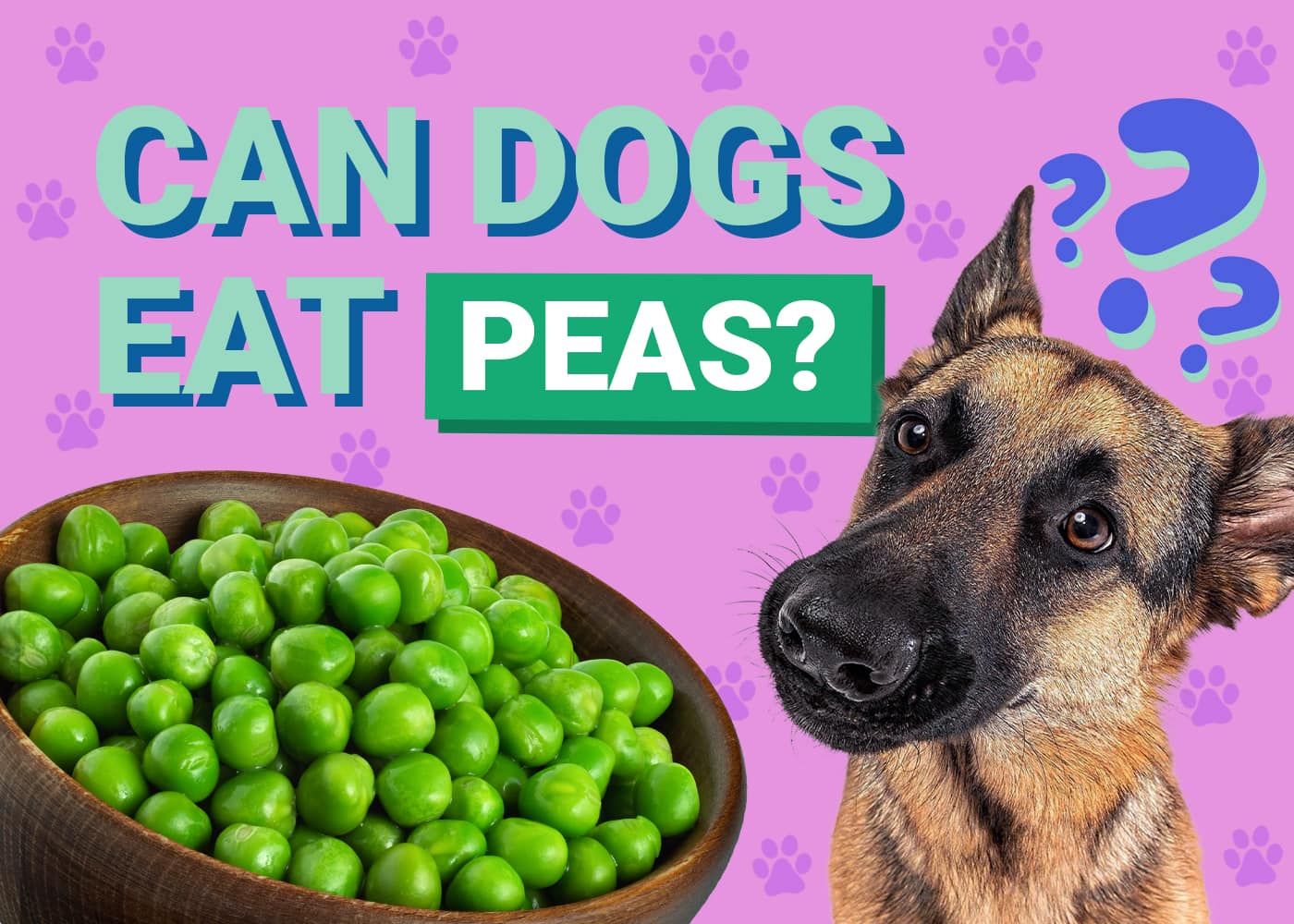
Peas are common in many homes because they are inexpensive and go with a wide variety of dishes. You might also wonder if it is healthy for dogs to eat them. The short answer is yes; your dog can eat peas, and they can be quite healthy. However, you should not include large amounts of this protein source in your dog’s food. Keep reading as we go over the benefits of eating peas and the health concerns you should consider. We'll also discuss the best way to feed peas to dogs and how often you should provide them.

Are Peas Bad for My Dog?

Canned Peas
Most experts recommend avoiding canned peas because many brands contain too much sodium for canines to handle. Excess salt can lead to bloating, extreme thirst, and other potential health problems, especially if your dog suffers from kidney or cardiovascular problems. Canned peas can also contain other chemicals and preservatives that might harm your pet. Sticking to fresh produce when choosing peas for your dog is better.
Pea Pods
While pea pods can be tasty additions to a human meal or salad, they are a potential choking hazard for your dog. Small breeds are more at risk, but choking can occur in any dog, so we recommend cutting the cooked pea pods into smaller pieces according to your dog’s size and chewing habits.
Purines
Peas contain purines, which are contraindicated for Dalmatians and other dog breeds like the Bulldog and Black Russian Terrier. Purines are also present in many other dog food ingredients. They turn into uric acid that needs to be filtered by the kidneys, and in some cases, too much uric acid can lead to kidney stones. Please check with a veterinarian before including peas in your dog’s diet.
Are Peas Good for My Dog?

Vitamins and Minerals
Peas contain plenty of vitamins and minerals that are essential to your pet’s health and well-being. Vitamins like A and K and choline help improve eyesight, regulate the nervous system, and allow blood clotting. Minerals like iron, zinc, potassium, and magnesium help your dog’s blood, muscles, and nerves to function properly.
See our full list of human foods that your dog can eat!
Protein
Peas are a great source of protein, and many dog food brands add them for that reason. It’s an inexpensive way to provide your pet with energy and the building blocks for strong muscles. However, it is crucial to note that pea protein is not a complete protein for a dog. Dogs cannot synthesize taurine from the amino acids in peas and other legumes.
Dog diets that include peas or other legumes in large quantities have been linked to cases of non-genetic dilated cardiomyopathy in dogs. The FDA is currently investigating these cases and certain pet foods that include large amounts of legumes.
So, if you want to feed peas to your dog, please do so only occasionally and in moderation. Keep in mind that your dog needs a diet based on high-quality animal protein to thrive.
Fiber
Peas are high in fiber, which can help your dog stay regular and less likely to experience constipation and diarrhea. Fiber will also help your dog feel full longer, and they will be less likely to look for snacks between meals.

How Do I Feed Peas to My Dog?
It is best to feed peas to your dog only as occasional treats and in moderation. Fresh, boiled peas are the best option; you do not need to add excessive oils, salts, or other spices. Keep in mind that garlic and onion are toxic to dogs. You can add a couple of spoonfuls of peas to your dog’s regular food or even use them as training treats! Ensure you do not share any stir-fried peas, especially if they have been prepared with garlic or onion.
Conclusion
Sharing a few boiled peas with your dog occasionally is perfectly safe. They are a source of protein and fiber that can provide variety as an addition to your dog’s regular diet. Just remember that peas and other legumes are not a complete protein source for dogs and should not be fed to them frequently or in large quantities. Remember that your dog’s primary protein source needs to be high-quality animal meat.
Related Reads:
Expert dog care, straight to your inbox
Vet-reviewed advice, training tips, and the best of Dogster. Free, and you can unsubscribe anytime.
By signing up, you agree to our Terms & Conditions and Privacy & Cookies Policy.
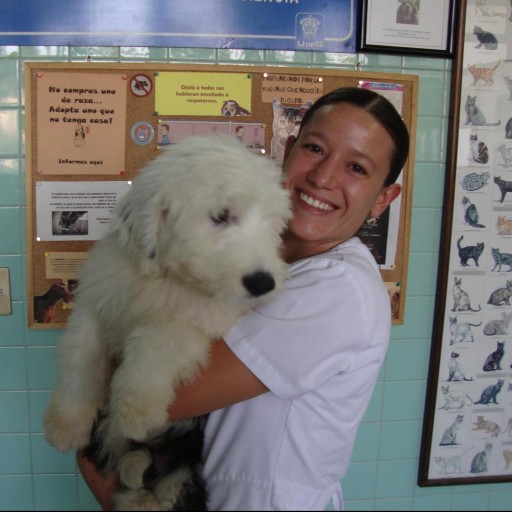
Dr. Paola Cuevas is our Senior In-House Veterinarian at Dogster and Pangolia. She has over 19 years of experience working with an array of species and loves sharing her knowledge and experience with our readers and aims to provide assistance with any issue presented by your non-human family members. She received her degree from the University of Guadalajara, Mexico.
Her passions are animal welfare and preventive medicine, and has skills in the fields of nutrition, microscopy, clinical pathology, diagnostic imaging, and endoscopy. Paola frequently contributes pet care insight to various media outlets like PetMD, The Daily Record, Parents.com, etc.
Paola is also an animal behaviorist with extensive experience in positive reinforcement animal training.
Join the conversation
Ask a question, share your story, or send private feedback.