Can Dogs Eat Alfalfa? Vet-Verified Facts to Know

In this article
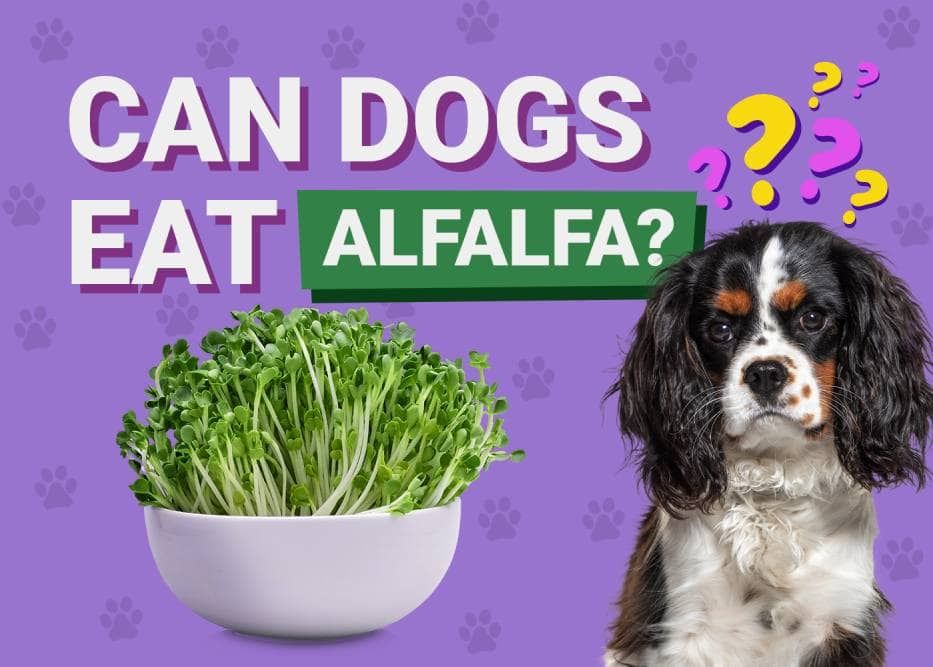
Alfalfa is an important grazing plant that feeds livestock worldwide. Many people wonder, can dogs can eat alfalfa? The short answer is yes, alfalfa is a healthy food for dogs. However, there are a few factors to consider before making it a staple part of their diet.
Keep reading as we discuss alfalfa's health benefits and potential dangers. We'll also discuss the best way to serve it and how much, so you can feel good about feeding your dog this low-cost and healthy food.

Is Alfalfa Bad for Dogs?
Coumarin
Alfalfa contains a naturally occurring chemical called coumarin, which can be toxic for dogs in large amounts. Studies suggest that eating too much can lead to liver damage and other health problems. Alfalfa only contains a small amount, so there is only a need for concern if you feed it to your dog daily or if they eat a large amount in one sitting.
Saponin
Alfalfa also contains a natural chemical called saponin, which can cause problems in the digestive system in some dogs and lead to diarrhea or vomiting. In some cases, the vomit will contain blood. Saponins are not usually a problem, but you must start with a small serving to see if your dog has any problems consuming this chemical.

L-Canavanine
L-Canavanine is a chemical present mainly in the alfalfa seeds and, to a lesser extent, in the sprouts. L-canavanine can harm your dog, so experts recommend leaving out the seeds. Most commercial alfalfa will not contain seeds, anyway, so you will not need to worry, but if you are considering growing it on your land, you should be aware of this danger.
Allergies
Another problem with growing alfalfa on your land is that it can create pollen that will trigger allergic reactions in some dogs. Commercial alfalfa that you buy at the local pet store or feed shop will not have pollen and should not trigger your dog’s allergies.

Is Alfalfa Good for Dogs?
Vitamin K
Alfalfa contains vitamin K, which helps the blood clot. Vitamin K is essential for proper coagulation.
Vitamin A
Vitamin A is an essential nutrient for dogs that helps produce healthy skin and hair. A diet without enough vitamin A can leave the dog with rough, patchy, itchy, and flakey skin.

Vitamin C
Unlike humans, dogs can synthesize their own vitamin C. Vitamin C is important for numerous biological functions. It can also help reduce the effects of stress, improving your dog’s quality of life. Its main value is that it is a powerful antioxidant that can remove free radicals and boost the immune system.
How Should I Feed My Dog Alfalfa?
Most alfalfa closely resembles timothy hay, and the two are usually mixed. You only want to serve alfalfa for your dog, and luckily, it shouldn’t be hard to find. Here's what to do if you want to give alfalfa to your dog:
- Grind the alfalfa in a food processor until it’s as fine as possible.
- Add about 1 teaspoon per 50 pounds of dog food to get the added health benefits without the risks.
- Store the remaining ground alfalfa in a Ziploc bag until you need it again.
- If your dog likes the taste of alfalfa, you can let them eat it whole in small amounts as a treat every few days.
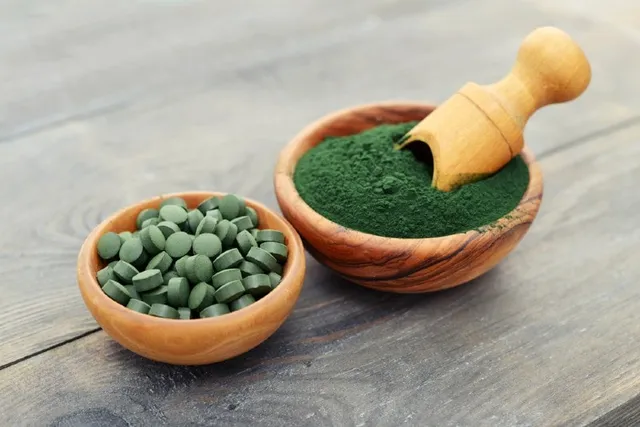
Alternatively, you can mix fresh alfalfa in your dog's food or purchase ready-made alfalfa powder.
Conclusion
Most dogs don’t chew grass too often, but if they do, it's good to know that alfalfa can benefit their health. It has plenty of vitamins and minerals and is an inexpensive food source for small animals. Therefore, you can find it at almost any pet store. Feeding it as a meal add-on or treat every few days can be a healthy alternative to serving commercial treats. If your dog got into some of your small animal’s alfalfa while you weren’t looking, there is no need to worry. The dangers associated with alfalfa only occur when your pet eats a significant amount.
Related Reads:
Expert dog care, straight to your inbox
News, insights, expert advice, and everything dog.

No spam — unsubscribe anytime.
By signing up, you agree to our Terms & Conditions and Privacy & Cookies Policy.
How useful was this post?
Click a star to rate. You can leave written feedback afterwards. (We read all feedback.)
Nicole has loved animals of all sizes her whole life so it's no wonder she has dedicated her career to helping them through what she loves best: learning, writing, and sharing knowledge with others. She’s the proud mom of two dogs, a cat, and a human. With a degree in Education and 15+ years of writing experience, Nicole wants to help pet parents and pets around the planet to live happy, safe, and healthy lives.