Small vs Medium Dog: The Main Differences Explained

In this article
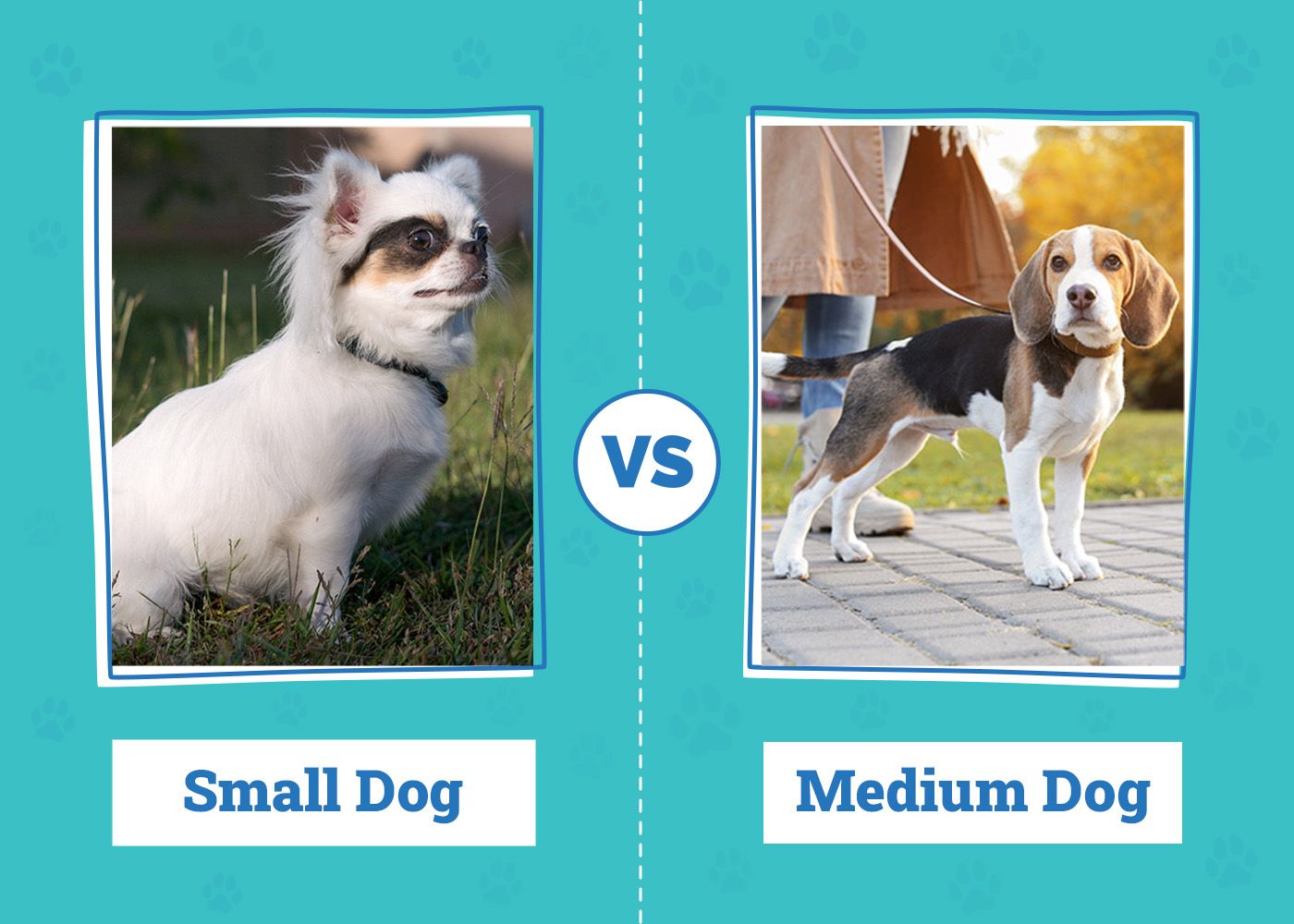
Small and medium-sized dogs are both very reasonably sized. Many medium and small dogs do well in apartments. However, choosing between these two sizes can be a challenge! They can seem exceptionally similar, especially on the upper and lower ends of these sizes.
Of course, “small” and “medium” are solely human-given definers. What’s the difference between a 19-pound dog and a 21-pound dog? Not much, but these two dogs would be put into different size categories.
In this article, we’re going to discuss small dogs and medium dogs generally. But it’s important to remember that there are always expectations, and the difference between these two groups can be very small.

Visual Differences

At a Glance
Small Dog Overview

For many dog owners, the allure of owning a smaller dog is their smaller size. These dogs are often bred specifically to be companions, which means they’re very affectionate and people-oriented. Many have charm and personality far bigger than their small size, making them perfect for dog owners in smaller spaces.
However, not everything about smaller dogs is positive. Let’s take a look at the basics of smaller dogs:
Size Matters: Living Space Considerations
Smaller dogs are often perfect for those in apartments or smaller living spaces. While some larger dogs do spend much of their day lying around, you have to have enough room for them to lay around. In small apartments, this often just isn’t the case. Luckily, smaller dogs do fit into these smaller spaces well. They require less room in general, thanks to their smaller size.
Many smaller breeds are also very adaptable. They can live just as well in the country as they can in an apartment.
Exercise Needs
Smaller dogs often have lower exercise needs because their legs are smaller. While smaller dogs can be very energetic, it often doesn’t take much for them to get worn out. Walking them is easier, and you don’t have to cover as far of a distance. Some smaller dogs have very low exercise needs, and others may be plenty content with indoor play sessions.
Of course, some smaller dogs need more exercise than you may think. Breed specifics also matter.

Portability
Smaller dogs are much easier to transport in bags and carriers. Most are allowed as carry-ons aboard aircraft, while medium-sized dogs must be placed in the cargo area. You can more easily take smaller dogs on errands and even vacations, making socializing them easier.
Of course, many stores and venues are still not pet-friendly, but it’s much easier to take smaller dogs to places that are.
Temperament and Trainability
All dogs have different temperaments depending on their specific breed. However, smaller dogs are often bred for companionship, so they tend to be more affectionate and cuddlier than larger dogs. Small dogs tend to form very strong relationships with their owners.
However, small breeds are also stereotypically yappy. Many also have “small dog syndrome,” which occurs when small dogs aren’t properly socialized or trained. Separation anxiety is also more common with smaller dogs. In many cases, this has more to do with how the dog is raised than anything innate in the breed, though.
While smaller dogs are very cute and seem like they can’t do anything wrong, they do still need proper training—just like any other dog breed. Their smaller size can lead to you accidentally teaching them bad habits, such as barking or jumping. Many people also mistakenly believe that little dogs don’t need to be trained. Consistent training is important for establishing boundaries and teaching your dog good manners.

Examples of Small Dogs
Of course, the small group is made up of many dog breeds. Here are some examples:
- Cavalier King Charles Spaniel
- Maltese
- Shih Tzu
- Jack Russell Terrier
- Yorkshire Terrier
- French Bulldog
- Boston Terrier
- Pug
- Bichon Frise
- Pomeranian
- Chihuahua
Medium Dog Overview

Medium-sized dogs aren’t always much bigger than small dogs. In some cases, they may only weigh 20 pounds. However, the medium group usually goes all the way up to 50 pounds, which is much larger than small dogs.
The breeds within this group tend to be exceptionally varied, too. Some are very athletic, while others are more laidback. Some are bred for hunting, herding, or a similar job, while others are bred largely as pets. Therefore, medium-sized dogs vary considerably, but we will try to cover the average medium-sized dog below.
Apartment Living vs. Rural Living
Medium-sized dogs can often live in apartments with the proper amount of exercise. Many do require more exercise than a smaller breed, so they’re often best for more active households. Don’t assume that all medium-sized dogs fit this description, though. There are many dogs that don’t fit into this category.
For instance, some medium-sized dogs may not do well in apartments at all, especially those on the larger side. A 50-pound dog cannot fit well in most apartments, for instance. On the other hand, a 20-pound dog likely could.
There are many variances in this size category, so it’s important to know exactly what you’re getting into before adopting.
Exercise Needs
As we stated, medium-sized dogs often have higher exercise needs than smaller ones. Partially, this is because they have longer legs. For them to get the same amount of movement, you’ll have to go further. Partially, this is also because more medium-sized dogs were bred for work, which typically means that their endurance is higher.
Most medium-sized dogs work best for more active individuals. However, some are more laidback and work well in more sentient families. Like most things, it depends on the breed!

Temperament and Trainability
Medium-sized dogs are an extremely varied group. Some are easy-to-please, while others are more independent. For instance, Border Collies are medium-sized dogs and exceptionally obedient. They’re the smartest dog breed out there, making them very easy to train (but quite a handful). Beagles also go into the medium-sized category, but they are much more laidback. As hounds, they were never bred to listen to people—they just follow scent trails.
As you can see, temperament can vary widely.
Examples of Medium-Sized Dogs
- Border Collie
- Beagle
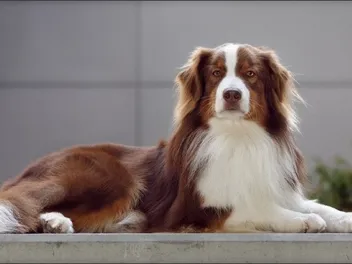
- Australian Shepherd
- Golden Retriever
- Bulldog
- Cocker Spaniel
- Bearded Collie
- Australian Cattle Dog
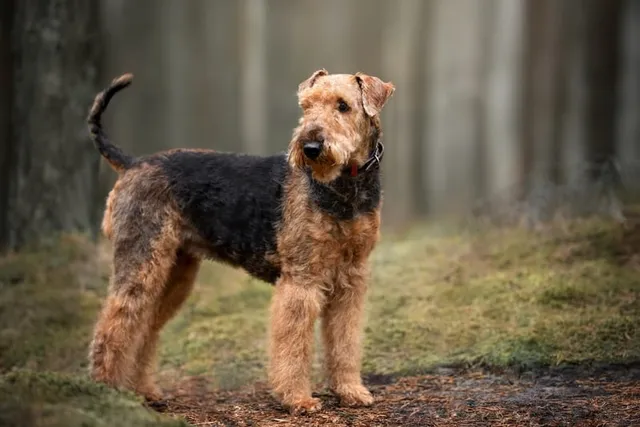
- Airedale Terrier
- Poodle (some)
- English Springer Spaniel
- Shetland Sheepdog
- Brittany
- Dalmatian
Which Breed Is Right for You?
There isn’t a one-size-fits-all answer to this question. Some people will find that a larger dog fits in better to their lifestyle, while another may find that a smaller dog will fit in easier. Medium-sized dogs tend to have fewer health and behavioral problems, though much of this may be related to how they are raised. Smaller dogs tend to not be socialized or trained properly, which leads to behavioral issues.
However, medium-sized dogs also tend to be more work. They’re larger, so any grooming requirements will be more time-consuming. They also usually need more exercise, due to their longer legs and breeding history.
Smaller dogs are often touted as very affectionate and cuddly. While this is true, smaller dogs have a range of temperaments and don’t always fit into this category. Dachshunds don’t tend to be very affectionate, for instance.
The breed and particularly breeding of the dog has far more effect on their temperament and needs than their size category.
Sources
Featured Image Credit: (L) BREEZY STOCK, Shutterstock | (R) New Africa, Shutterstock
Expert dog care, straight to your inbox
Vet-reviewed advice, training tips, and the best of Dogster. Free, and you can unsubscribe anytime.
By signing up, you agree to our Terms & Conditions and Privacy & Cookies Policy.
Kristin loves to help pet parents create a fulfilling life for their pets by informing them on the latest scientific discoveries and helping them choose the best products for their pets. She currently resides in Tennessee with three cats, four dogs, two fish, and a lizard, though she has dreams of owning chickens one day!
Join the conversation
Ask a question, share your story, or send private feedback.