History of Small Dogs: Evolution, Jobs, Origins & More (Vet-Verified Info)


In this article
Small breeds range from the feisty Chihuahua to the fun-loving Frenchie, with origins and uses as broad as the looks and characteristics of the breeds in question.
If you have ever wondered why some dogs are lap dogs or want more information on the history and roles of small breeds, read on for more information.

The Brief History
It is perhaps surprising that scientists believe all small dogs have an ancestry that traces back to a single location era1. Specifically, the emergence of a morph on one of the alleles of the IGF1 gene, which is responsible for the diminutive stature of some breeds, has been traced back 12,000 years to the Middle East.
Researchers believe that the small size came as a result of the domestication of the Middle Eastern gray wolf, which is notably smaller than most other wolf species. The same research also suggests that big dogs, typically the size of Great Danes, were domesticated much earlier, with their history starting potentially some 30,000 years ago in parts of Europe.
Once smaller dogs naturally occurred, owners who preferred the small dogs would likely have bred them together, favoring smaller animals and eventually reducing the size even further.

The 8 Small Dog Jobs
Besides being used as companions for their owners, small dog breeds were intentionally bred as watchdogs, ratters, and even hand warmers. Others were bred as hounds, show dogs, and even as performers. The most common jobs small dogs were bred for include the following.
1. Lapdogs
Nowadays, a lapdog is happy to spend time on their owner’s lap. Traditionally, though, the role of the lap dog was to keep the lap and the legs of their owners warm. Small dogs were preferred because it can be very uncomfortable to have a giant breed sprawled across your knees.
Lapdogs had to be friendly and comfortable being close to their humans, and the modern lapdog expects this constant companionship. As such, they can be demanding of attention and may suffer separation anxiety if left alone for long periods. For example, Shih Tzus were bred as lap warmers and still do a very good job of it today.

2. Companions
Whether sitting on the lap or at the feet of their owners, a lot of small breeds were bred for companionship. Small dogs made good companions because they didn’t take up a lot of space and would have been unobtrusive for their owners, many of whom were royalty or upper class.
French Bulldogs were bred for this purpose, and their amiable, loving nature has seen them become an incredibly popular breed again.
3. Watchdogs
Small breeds can sit on their owners’ laps or by their feet without getting in the way. It makes sense that they would be used not only as companions but also trained and bred to serve other purposes.
Breeds like the Affenpinscher and the Brussels Griffon were bred to be watchdogs. They couldn’t serve as guard dogs because they weren’t intimidating enough and wouldn’t be able to take action against intruders, but they would bark an alarm at the first sign of a threat.
Some modern-day small breeds can be quite vocal, and while this might be seen as a negative trait by some, it was essential for watchdogs.

4. Ratters
Most terrier breeds were bred to hunt and kill rats and other vermin. Their small size meant they could get under obstacles, and some were even capable of getting into rat holes. Although called ratters, these breeds would hunt other vermin and were especially common in situations where grain and other foods needed to be protected. Ratters lost some of their appeal in this role when domestic cats became more commonplace.
5. Hounds
Sighthounds and scent hounds use their sense of sight and scent, respectively, to locate and hunt game. The size of the game can range from rats to foxes, but small hounds would have been used to tackle smaller game species.
Dachshunds were bred as scent hounds and were used to hunt badgers and other burrowing animals. Today’s Dachshund owners will attest to the fact they still attempt to burrow and dig at any opportunity.

6. War Dogs
When we think of ancient war dogs, we tend to think of Mastiff-type breeds that would have gone into battle alongside their soldiers. However, even small breeds have found utility during times of war. Small dogs can be beneficial because they are not viewed as threats, so they tend to be ignored on the battlefield, and they can access areas that would be otherwise inaccessible to bigger dogs.
Breeds like Beagles, although not originally bred for this purpose, have been used to deliver messages during battles.
7. Show Dogs
Many companion dog breeds became popular as show dogs, and while it is possible to show any purebred breed in modern competitions, breeds like the Maltese are especially popular for this purpose.
Their luscious coat and attentive nature mean they are easy to train, and they love the attention that they receive as show dogs.

8. Performers
Dogs have long kept people entertained with their often peculiar and sweet behaviors, but before the days of TV and game consoles, dog shows were even more popular.
Breeds that were bred for this purpose had to be smart, agile, and able to concentrate even with loud noises and large crowds of people around them. The Bichon Frise is a good example of this type of breed.
The 5 Most Popular Small Dog Breeds
1. Pug

The Pug is instantly recognizable thanks to their bulging eyes and lolling tongue. They are friendly, playful, and alert, making them a great choice of companion dog breed. This ancient breed is quite prone to health conditions thanks to their brachycephalic facial features, but that hasn’t seen their popularity dwindle.
2. Yorkshire Terrier

Yorkshire Terriers have beautiful long coats and sweet but fearless temperaments. They do maintain some of that terrier temperament, which means they make good watchdogs, and they enjoy playing, especially if the games involve chasing balls or small toys. The Yorkie does require a lot of grooming and can suffer separation anxiety, however.
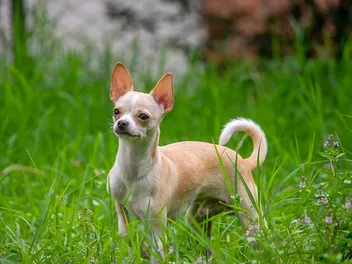
3. Chihuahua

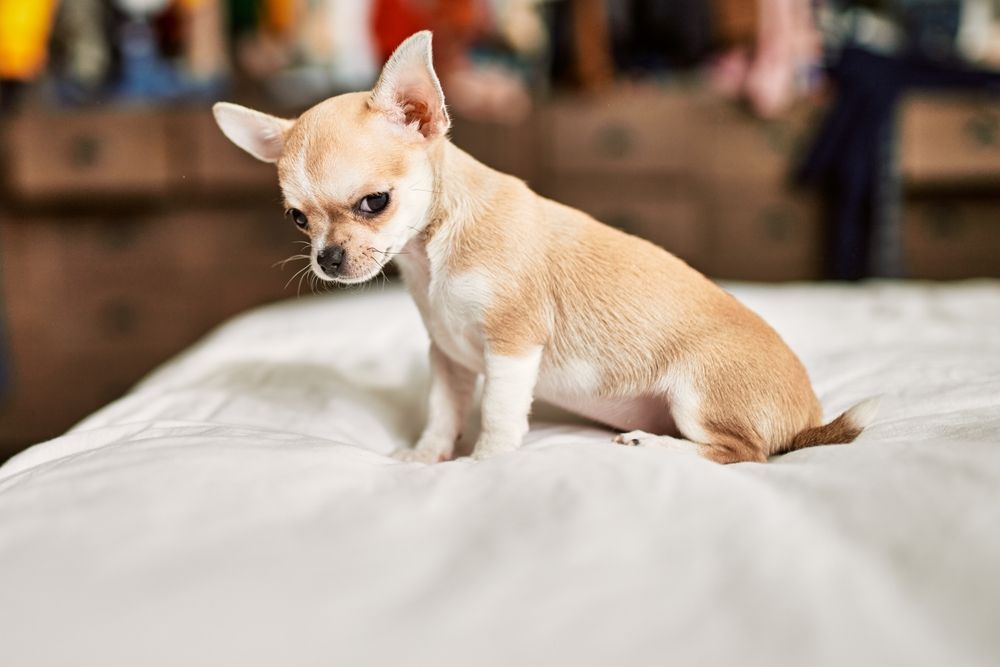
The Chihuahua is the epitome of a companion dog. The breed typically follows their owner everywhere and can get very upset if they are left out of activities. They don’t require much exercise thanks to their tiny size, but what the Chihuahua lacks in size, they more than make up for in personality and bravado.
Chihuahuas are notorious for not being afraid of tackling much larger dogs.
4. Maltese

The Maltese are a very popular show dog, thanks to their beautiful puppy dog eyes and stunning coat. This breed is a lapdog, but they also have plenty of energy, so they are a fun dog to live with. The Maltese doesn’t require too much exercise compared to some larger working breeds, but they do need regular grooming to keep that white coat looking its best.
This is another small breed that won’t usually back down from much bigger dogs.
5. French Bulldog

The French Bulldog has become one of the most popular breeds of dogs thanks to their adaptability, size, and friendly, playful temperament. They are seen as something of a comedian and are always up for entertaining their humans with their enjoyable antics.
Frequently Asked Questions (FAQ)
What Is the Smallest Dog Breed?
The Chihuahua is widely recognized as being the smallest dog breed in the world, weighing under 6 pounds and measuring no more than 8 inches. The breed is fun and enjoys companionship, but they are not recommended for families with young children because their tiny frame can easily be injured by a boisterous child.
When Were Dogs First Domesticated?
Exactly when dogs were first domesticated is not clear, but it is known to have been more than 30,000 years ago. Dogs were the first animal species to be domesticated by humans. This means that they were domesticated before horses and cattle. The original domesticated canine was the wolf, but over time, domesticated wolves became the dogs we know today. Although many think that the domestication process was to benefit mankind, there’s a theory that dogs benefited more from their domestication than humans did from domesticating them.
Do Small Dogs Make Good Pets?
Small dogs can make excellent pets, but as is true of any breed, they are not always the ideal choice for all potential owners. It is true they usually require less exercise than their bigger counterparts, but many small breeds were bred as companions, which means they need near-constant attention. Some also suffer a greater likelihood of ill health and physical conditions that arise as a result of their size.
Always research a breed before getting one as a pet, to ensure that it is suitable for you and your lifestyle.

What Is Small Dog Syndrome?
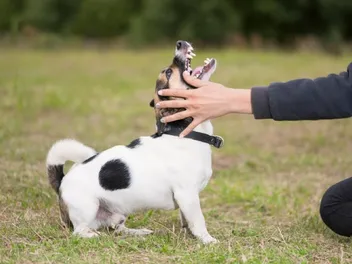
Small dog syndrome occurs when a small dog uses a combination of potentially overbearing characteristics to make up for their lack of size. It tends to be characterized by excessive barking and potentially, even aggression.
Small dog owners should ensure their dogs are well socialized with other dogs and people, and they should have obedience training, to help minimize potential problems.
Conclusion
Like other breeds, small dogs originally stem from wolves, but it is believed they originated with the Middle Eastern gray wolf, which is smaller than other species.
Over time, breeders further reduced the size of the breeds by choosing smaller and smaller examples, until we were presented with Chihuahuas, French Bulldogs, Yorkshire Terriers, and other tiny pups.
Featured Image Credit: Krakenimages.com, Shutterstock
Expert dog care, straight to your inbox
News, insights, expert advice, and everything dog.

No spam — unsubscribe anytime.
By signing up, you agree to our Terms & Conditions and Privacy & Cookies Policy.
How useful was this post?
Click a star to rate. You can leave written feedback afterwards. (We read all feedback.)
Matt is a freelance writer from the UK. He lives with his partner and daughter, as well as two cats and one dog. A data analyst by profession, Matt moved from numbers to words more than 15 years ago and has been writing ever since. Having volunteered at a local animal sanctuary, he has a lot of experience with dogs, cats, and horses. Matt has also kept bearded dragons, a variety of birds, fish, guinea pigs, hamsters, mice, and rats. His daughter has adopted the same passion for animals, keeping and breeding snakes. A geek at heart, Matt is a member of a local board gaming group and regularly forces his family to “enjoy” board games with him at home.