11 Types of Dog Coats & How to Care for Them

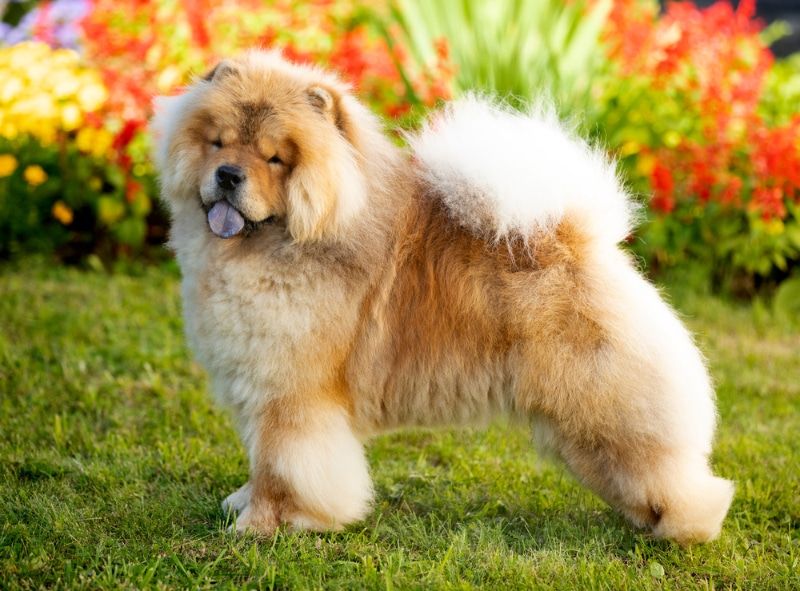
Dogs come in all different shapes and sizes and with lots of different coats. While most people divide dogs into “shorthaired” and “longhaired,” there are actually many different coat types. The short coat of a Beagle is very different from the short coat of a Whippet, for instance, and the dog world has come up with different terms to describe all these types of dog coats.
These coats affect how much grooming the dog requires, how much they shed, and what climates they’re best suited for.
While coat type isn’t the only thing you should consider when picking out what dog to get, it should be a consideration. Let’s take a look at some of the main types of dog coats:

The 11 Types of Dog Coats
1. Smooth Coat

A “smooth coat” is the shortest type of coat. There is little to no undercoat, so the dog is less protected from the weather. However, these dogs simply don’t have much fur to shed. While they may not actually shed less than other dogs, their fur will be in smaller amounts, making them a suitable option for those who don’t want to deal with tons of dog fur.
These dogs don’t need to be brushed or groomed much at all, thanks to their very short fur. They may need a bath occasionally, but that’s about it.
Smooth-coated dogs include:
2. Short Coat

Dogs with short coats still have very short fur, but it isn’t quite as short as a smooth coat. While it may be slightly longer, these dogs don’t need tons of grooming, either. They may need to be brushed occasionally to remove loose fur and control shedding, but they won’t be prone to tangling.
These dogs may have an undercoat. Dogs that do have an undercoat will shed more, as their fur will be a bit thicker. However, they’ll also be more “weather-proof,” able to handle colder temperatures and rain. Whether or not the specific breed has an undercoat has an impact on their grooming requirements.
Short-coated dogs include:
3. Double Coat

Dog breeds with a double coat have short to medium-long fur. They may also fall into one of the other fur categories, depending on the length of their fur. However, these dogs are characterized by having two different layers to their coat.
The top layer is coarse and water-resistant. It keeps the dog dry and protects them from dirt. The undercoat is soft and insulating. It’s protected by the topcoat, but it may not do its job as well if it is exposed (such as when the dog is trimmed). Therefore, trimming these dogs is not recommended, even if they do have somewhat longer fur.
These dogs tend to shed more, as their undercoat is very dense.
Double-coated dogs include:
4. Wire Coat

Dogs with a wire coat have a harsh, coarse coat that protects them from the weather conditions. The hairs are wiry and stand out from the body.
Luckily, these dogs shed much less than others, though some fur loss is still to be expected. They may have a dense undercoat, but generally require less maintenance. Still, their coats should be brushed and regularly trimmed.
If their coat is long, they may be prone to matting. However, this really depends on the breed. Some are more prone to matting than others.
Wire-coated dogs include:
5. Curly Coat

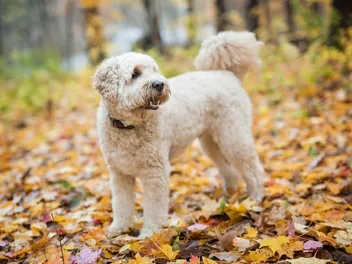
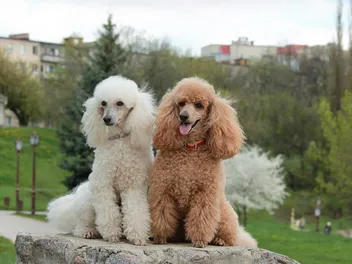
As the name suggests, this coat type is characterized by its curls. The exact type of curl can vary. Some dogs have very loose waves, while others have very dense curls. These dogs may have short, medium, or long coats, depending on the breed. Poodles, the famous low-shedding dog, fall into this category.
Often, you must have these dogs professionally trimmed. Their fur typically continuously grows, and they can be prone to matting. Brushing is required, but you don’t have to worry about too much shedding.
Curly-coated dogs include:
6. Long Coat

Dogs with long coats can have a variety of hair textures. Sometimes, these dogs also fall into the curly coat category, depending on their haircut. Other times, their coats may be very straight.
Either way, the longer their coat is, the more grooming you can expect to do. Their level of shedding may vary but expect to be spending quite a bit of time brushing them either way.
Long-coated dogs include:
7. Hairless Coat

Hairless dogs are rare, but there are several breeds out there that grow little to no hair. These dogs don’t require any of the grooming dogs traditionally do. You don’t have to worry about shedding or brushing. However, they require their own type of skin care due to their exposed skin.
These breeds can be prone to skin problems and sunburns. Therefore, don’t assume these dogs are low-maintenance just because they have very little or no fur. They just require a different kind of maintenance.
Hairless coated dogs include:
8. Combination Coat

Dogs with this coat type have two or more coat types, with combined lengths, presence of undercoat and different hair types and textures. For instance, dogs may have a shorter coat on most of their body and very feathery legs. Other dogs may be hairless except for small portions of their body, like the Chinese Crested. Some dogs may have very short fur on their stomachs and long fur everywhere else.
If only a very small portion of the dog’s body is a different coat type, you can often groom them according to their main coat type. However, you may need to groom sections of their body in different ways.
For instance, Chinese Crested are mostly hairless except for their ears and heads. You’ll often need to brush the fur they do have, while protecting the rest of their hairless body from the elements.
Dogs with combination coat include:
9. Silky Coat

Dogs with silky coats usually have very long, fine fur. They don’t often need professional trimming in most cases. However, they can be prone to matting, so brushing is required.
Depending on the breed, some owners may have their dogs cut shorter to lower their grooming needs. In most cases, you will need to brush them daily.
Silky-coated dogs include:
10. Triple or Arctic Coat

Dogs with triple coats simply have a lot of fur. Their thick, dense wooly coat usually developed to help them survive in frigid places, often in mountainous areas. While this coat is often helpful in colder places, their dense coat requires tons of grooming. They tend to have lots of dead fur and may even mat without proper grooming.
Keeping these dogs clean can be a challenge, as their fur tends to suck up dirt and debris. However, they work great for colder areas and those who want a dog with a fabulous coat.
Heavily coated dogs include:
11. Wool Coat

Wool-coated dogs have fur that is similar to sheep’s wool. It is very thick and even hard to penetrate in some cases. Many of these dogs are groomed to develop “locks” of fur, which keep them from being overly hard to groom.
These dogs are rarer than other coat types, and most breeds were originally herding dogs. Their thick coats helped them blend into their charges and kept them protected from the elements.
Wool-coated dogs include:
Final Thoughts
When choosing a dog, you should keep their coat in mind. Try to match your chosen breed to your climate for the best results. Very furry dogs don’t always do well in warmer climates, while hairless dogs would be overly exposed somewhere cold.
You also have to consider how much grooming you’re willing to put in. The lowest maintenance dog breeds have smooth and short coats. These dogs may shed, but they don’t require much brushing or bathing. Hairless dogs may seem low-maintenance, but they often need more bathing, sunscreen application, and skin care.
Featured Image Credit: Liliya Kulianionak, Shutterstock
Expert dog care, straight to your inbox
News, insights, expert advice, and everything dog.

No spam — unsubscribe anytime.
By signing up, you agree to our Terms & Conditions and Privacy & Cookies Policy.
How useful was this post?
Click a star to rate. You can leave written feedback afterwards. (We read all feedback.)
Kristin loves to help pet parents create a fulfilling life for their pets by informing them on the latest scientific discoveries and helping them choose the best products for their pets. She currently resides in Tennessee with three cats, four dogs, two fish, and a lizard, though she has dreams of owning chickens one day!