Great Pyrenees Dog Breed: Info, Pictures, Care & Facts

In this article
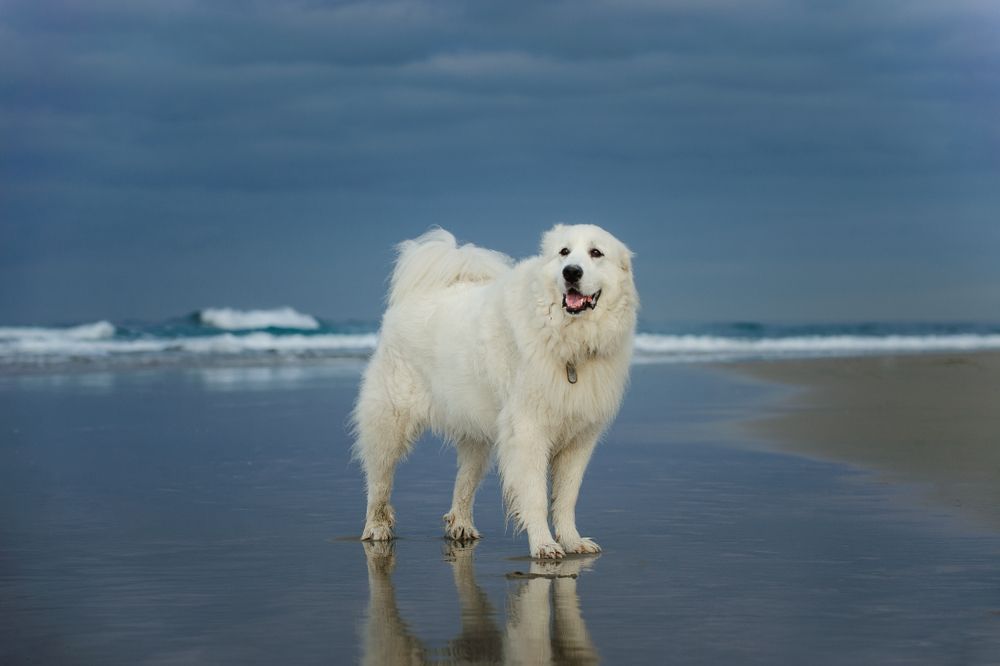
The Great Pyrenees dog is a large breed that is both protective and loyal by nature. Lovingly referred to as the Pyrs, this dog has traditionally served as a sheep guardian. These soft, cuddly pups always seem eager to please. Are you interested in learning more about the Great Pyrenees or maybe even taking one in as a household pet? Read on to find out all you need to know!
Breed Overview
Height:
Weight:
Lifespan:
Colors:
Suitable for:
Temperament:
The Great Pyrenees dog was developed as a working breed to help guard flocks of sheep from predators like bears and wolves in mountainous terrains. They are thought to be of Asian descent and first appeared in a recognizable fashion sometime between 1800 and 1000 B.C.1 They have been known as exceptional guards and watch dogs too. They would pull carts and do other labor tasks when necessary. They even transported contraband between Spain and France during World War I!
Great Pyrenees Characteristics

Great Pyrenees Puppies

The typical Great Pyrenees puppy is loving, interactive, gentle, and tolerant. This is the time when they should be thoroughly socialized with other animals, kids, and adults. These dogs are instinctively protective of their family members, so puppies can be taught how to guard their homes without being a threat to household members or visitors to the property. They should start obedience training while still young; otherwise, they can be stubborn and hard to manage when fully grown.

Temperament & Intelligence of the Great Pyrenees 🧠
This beautiful dog breed is confident and independent yet gentle and affectionate with their human (and animal!) companions. They also happen to be quite protective of their companions and territorial over what they perceive as their property. They were originally bred to protect sheep flocks with their lives, so it’s natural for them to want to do the same for their family members. They tend to have strong-willed personalities and can be both reserved and independent in certain situations. They are always attentive, they don’t give in to fear, and they are as loyal as they come.
Are These Dogs Good for Families? 👪
The Great Pyrenees dog can be an excellent breed for families, provided that they are well-socialized and properly trained from the time that they are puppies. As adults, these dogs can accidentally injure children and small animals during playtime, so supervision is always recommended with small animals like Chihuahuas and cats and with kids until they are old and big enough to maintain control of the situation themselves and the dog understands basic obedience commands.

Does This Breed Get Along With Other Pets? 🐶 😽
This breed can absolutely get along with other pets in the household. However, they should learn to enjoy the company of animal pals while they are puppies to ensure a happy, healthy, and cooperative life at home. If they grow up in a household with pets, they are likely to accept new ones as time goes on. Keep in mind that these dogs are instinctively protective, so if they are not well socialized, they may not get along with other animals, whether in public or in the household.
Things to Know When Owning a Great Pyrenees
There are many specific things to know about before deciding whether a Great Pyrenees is the right pet for your household. Things like what to feed them, how much exercise to provide them with, whether training is important, and grooming requirements are likely on your mind as a potential owner. Here is what you should know before making a final ownership decision.
Food & Diet Requirements 🦴
Although the Great Pyrenees is a large dog, they don’t eat much more food than the average-sized dog does. Of course, they might need more if they work on a farm or something similar due to so much energy exertion. These dogs love eating, though, and they are known to scarf their meals down in record time.
It’s a good idea to offer them a high-quality dry commercial food that is designed specifically for large breed dogs, as it’s formulated with the right number of vitamins and minerals necessary to promote proper and safe growth. Since this breed tends to eat quickly, they are susceptible to bloat. Therefore, it’s a good idea to serve their meals in a slow-feeder bowl, as this reduces the risk of bloat development.

Exercise 🐕
Like all dogs, Great Pyrenees require daily exercise to stay happy and healthy throughout their lives. While these dogs are historically used to working hard, they spent most of their time lounging around when the flocks of sheep they looked after were not in danger. Therefore, they are not a highly active breed overall. They can benefit from 30-minute walks each day and time playing in the yard or the dog park a few days a week. They enjoy playing games indoors and are usually happy to play fetch, but owners shouldn't be surprised if their pups "poop out" on them within just a few minutes.
Training 🎾
Training is essential for the Great Pyrenees, if for no other reason than due to their size and tendency to be stubborn at times. Obedience training should start by the time that a Pyrs puppy is brought home for the first time. They should know how to come, sit, and stay at least by the time that they are about 6 months old. They should be well-versed in all things obedience when they are 1 year old. Watchdog and guard training can also be considered, as these dogs can excel at both.

Grooming ✂️
These dogs have a large amount of fur, so you might think that they would shed excessively. However, this is not the case! Pyrs have coats that are resistant to tangling and that primarily shed during the spring months. This time is when their undercoat gets shed to make room for new fur, but the topcoat stays in place, so the shedding is not apparent (except for on flooring, bedding, clothing, and furniture in your home). Some people consider this shedding phase a “snowstorm.”
But other than dealing with the spring shedding season, these dogs don't require much grooming. A weekly brushing should be all that it takes to keep their coats in good shape. Their ears should be cleaned out a few times a month using a wet cotton ball or washcloth, and their nails may need to be trimmed when they become long and sharp enough to injure themselves or others. Bathing is only necessary when the dog stinks or gets dirty while adventuring outdoors.
Health and Conditions 🏥
This large dog breed is generally healthy, but there are a few conditions that they can be susceptible to due to genetics or general environmental factors. Here are the serious and minor health conditions that the Pyrs could face and that every prospective and new owner should know about.
Most breeders have a deep commitment to the Great Pyrenees’s health. For example, the Great Pyrenees Club of America implores breeders to make testing a regular part of their practices to ensure that they do not perpetuate the act of breeding dogs with genetic disorders.
Male vs. Female
There is not a huge difference between male and female Great Pyrenees. Some say that males are more “needy” and harder to understand. However, there is no evidence to prove these anecdotes as fact. Both male and female Great Pyrenees are excellent guard dogs and can easily bond with a loving family when given the opportunity.
3 Little-Known Facts About the Great Pyrenees
1. While Good Guard Dogs, Great Pyrenees Aren’t Generally Aggressive
The Great Pyrenees are large and protective and will warn strangers away when they are not invited and when they seem threatening. However, they are not generally aggressive with proper guests to the home. They can be quite friendly and interactive in public settings too.
2. Great Pyrenees Dogs Tend to Bark Frequently
This dog breed is known for incessant barking. This habit is ingrained in them due to their livestock origins, so they bark in reaction to any unexpected noises that they hear. So, they might bark every time they hear someone walking down the sidewalk in front of the house, anytime a bird lands on the roof, or even when they hear crickets at night. Some Great Pyrenees bark more than others, so the amount of barking that any particular owner will experience will vary.
3. Most Great Pyrenees Are Goofy
While large and often stoic, the Great Pyrenees can be goofy when they’re feeling playful and carefree. Engaging in gameplay with this breed can result in many silly antics and plenty of laughter and fun. From rolling around on the ground to scratch an itch to clownishly jumping for joy, this doggy breed is sure to help keep things lighthearted.

Final Thoughts
The Great Pyrenees is a fun-loving, intelligent, and loyal dog breed that can make a great family companion while protecting the family’s property. They do require training, socialization, and a firm yet loving hand to excel, but an experienced dog owner should be able to step up to the challenge.
See also:
Featured Image Credit: everydoghasastory, Shutterstock
Expert dog care, straight to your inbox
News, insights, expert advice, and everything dog.

No spam — unsubscribe anytime.
By signing up, you agree to our Terms & Conditions and Privacy & Cookies Policy.
How useful was this post?
Click a star to rate. You can leave written feedback afterwards. (We read all feedback.)
Rachael has been a freelance writer since 2000. In this time she has had an opportunity to research and write about many different topics while working to master the art of fusing high-quality content with effective content marketing strategies. She is an artist at heart and loves to read, paint, and make jewelry. As a vegan, Rachael is obsessed with helping animals in need, both in her community and anywhere in the world where she feels she can make a difference. Animals also happen to be her favorite topic to write about! She lives off the grid in Hawaii with her husband, her garden, and her rescue animals including 5 dogs, a cat, a goat, and flock of chickens.