Can Dogs Take Rimadyl Long Term? Our Vet Discusses Health & Safety Facts


In this article
Your veterinarian has prescribed your dog Rimadyl for arthritis pain, and your dog is doing well. That's great, but can you give Rimadyl in the long term, or is the risk of side effects too high? Let's look at what can happen to your dog on long-term medication like Rimadyl.

Can Dogs Take Rimadyl Long Term?
For many dogs, the answer is a resounding yes; they can take Rimadyl long-term. Your veterinarian will need to perform regular monitoring, generally in the form of routine blood work, to look for any abnormalities that could develop with chronic medication usage.
If your dog has underlying liver or kidney disease or any other chronic disease, your veterinarian will likely look at using an alternative to Rimadyl. Over time, this medication can also cause liver and kidney changes, which is why blood work should be performed, usually at least one to two times per year. (Some pets may need blood work as frequently as every three months.)
Before giving any new medication to your dog, we recommend you consult a veterinarian for the best advice on which would be the best treatment for your pup.
What Is Rimadyl?
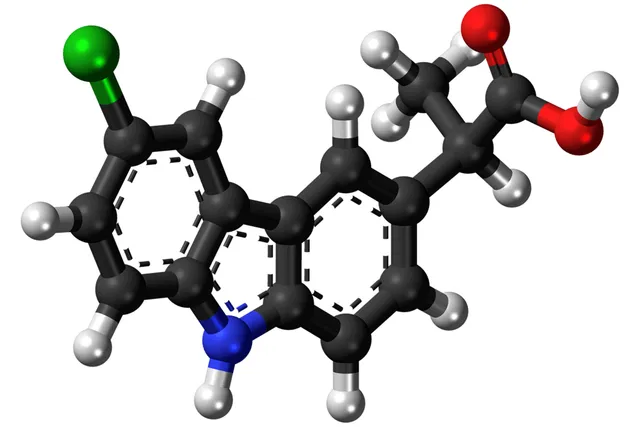
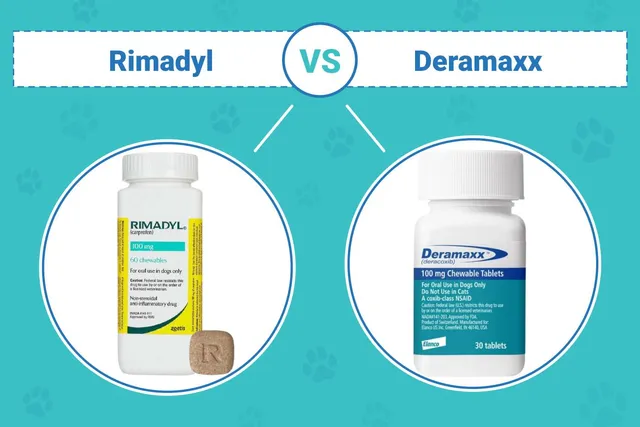
Rimadyl is a non-steroidal anti-inflammatory drug or NSAID. Rimadyl is a brand name for carprofen, which can also be sold as Vetprofen, Novox, quellin, and many more medications.
Many veterinarians prescribe Rimadyl for chronic pain related to osteoarthritis. The medication works to inhibit cyclooxygenase (COX) enzymes that are part of the inflammatory cascade that can lead to worsening pain and even further cartilage damage. By inhibiting COX, you can help inhibit inflammation.
Rimadyl is typically administered as a chewable tablet, but your veterinarian might also administer it as an injection. The Rimadyl may be given every 12 or 24 hours, depending on the dosage.
Side Effects of Rimadyl
The liver primarily metabolizes Rimadyl. After the liver processes it, it is eliminated via the intestines and the kidneys.
The more common side effects of Rimadyl include gastrointestinal issues, including:
Unfortunately, there is a risk of more severe side effects, including gastric ulcers and bleeding. Liver and kidney damage are also possible, so regular blood work monitoring is essential.
Some things to watch for include:
Some Labrador Retrievers seem to be especially sensitive to the effects of Rimadyl and may develop liver damage.
Rimadyl should never be administered with other NSAIDs or steroids. This combination of medications can increase the risk for GI bleeding.

Monitoring a Dog on Rimadyl
Typically, your veterinarian will need to perform a chemistry panel on your dog's blood several times per year to monitor for biochemical changes.
They're mainly looking at several liver and kidney-associated values, such as:
Your veterinarian will likely also suggest period urinalysis tests. These tests ensure that the kidneys are concentrating appropriately, that there's no protein in the urine, and that there is no evidence of a urinary tract infection.
Alternatives to Rimadyl for Dogs
There are other NSAIDs that your veterinarian may prescribe as an alternative to Rimadyl.
These other NSAIDs include:
You should never give Rimadyl in addition to one of these medications. Instead, your veterinarian will recommend a wash-out period between medications.
Your veterinarian might also recommend other medications to use with Rimadyl to improve overall pain control.

These medications and supplements include:
Librela is a newer medication for controlling arthritis pain in dogs. If your dog is a candidate, your veterinarian can administer a monthly injection. It tends to have minimal side effects, such as increasing the possibility of certain infections.
Frequently Asked Questions (FAQ)
How long does it take for Rimadyl to leave a dog's system?
Rimadyl generally lasts 12 to 24 hours, depending on the dose. Given its short half-life, it should be entirely out of your dog's system within a few days.

How long does it take Rimadyl to start working?
Rimadyl starts to work pretty quickly, generally within one to three hours. Like with many medications, it can take several days to see the maximum benefits of using the medication, especially in cases of chronic pain.
Conclusion
Rimadyl tends to be an effective and safe medication for many dogs. That said, your veterinarian must monitor your dog's blood work regularly to ensure it does not develop liver or kidney changes.
See also:
Featured Image Credit: Creative Cat Studio, Shutterstock
Expert dog care, straight to your inbox
News, insights, expert advice, and everything dog.

No spam — unsubscribe anytime.
By signing up, you agree to our Terms & Conditions and Privacy & Cookies Policy.
How useful was this post?
Click a star to rate. You can leave written feedback afterwards. (We read all feedback.)
Dr. Samantha Devine DVM (Veterinarian)
Dr. Samantha Devine is a practicing veterinarian who enjoys caring for animals and sharing her knowledge with pet owners. Preventative care, ranging from nutrition to vaccination, is her specialty and passion!
With over 12 years of veterinary experience, Dr. Devine has extensive knowledge to share about small animal medicine, horses, aquatic species, and even zoo animals. She has also been writing for online pet sites for most of that time.