Is Snail Bait Safe for Dogs? Vet-Reviewed Safety Tips


In this article
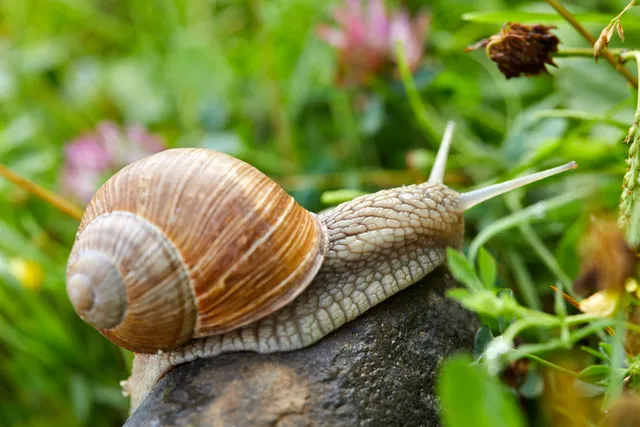
Snails and slugs can be problematic to any home garden. Dog owners are often left wondering how to handle the problem without hurting their beloved pet. It’s tempting to run to the store and grab some snail bait to kill the pesky, slimy critters, but are these products safe for dogs?
Snail bait is extremely toxic to dogs, cats, birds, and other wildlife. Snail bait contains a chemical called metaldehyde, and that chemical is the culprit. In this post, we’ll explain the dangers of snail bait for dogs and what you can do instead to keep your garden free from snails the safe way.

Why Can’t Dogs Eat Snail Bait?
Metaldehyde, the main ingredient in most snail baits, is extremely toxic to dogs. Snail bait can come in a few forms, such as pellets, liquids, sprays, dust, meal, gel, or paste, and some also contain insecticides, making them even more dangerous for our pets.
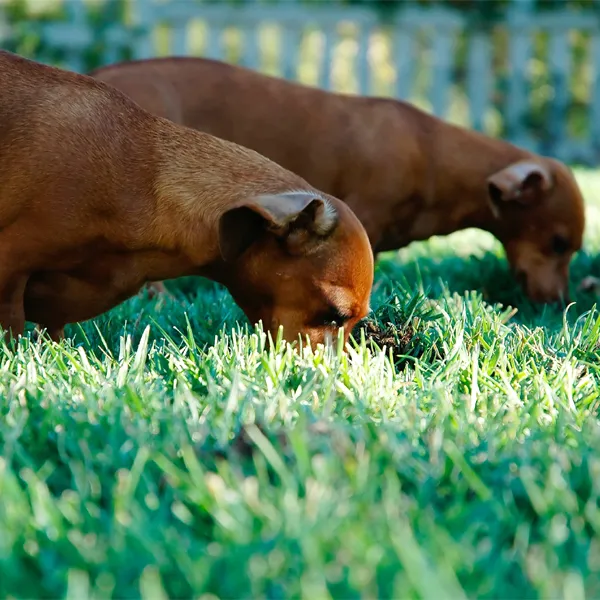
Snail bait is designed to be placed in gardens, walkways, or wherever snails are a problem. Molasses or bran are added during the manufacturing process to attract these slimy creatures. The problem is that bran and molasses will attract not only snails but also your dog. Snail bait pellets can resemble your dog's kibble, which can attract your dog even more. If they happen to walk through the powder or liquid forms, they could ingest some while licking their fur or paws.
Dangers of Snail Bait to Dogs
We know that snail bait is toxic to your dog, but what exactly are the dangers? For starters, it only takes a small amount to cause problems, and there is no antidote.To give you some perspective, it only takes 3 ounces of bait to poison a 30-pound dog.1 The poison affects the nerves and neurological pathways, causing tremors, seizures, even death.
Snail bait packaging must include a statement about the product’s toxicity, but the print is typically very small and can easily be overlooked, potentially resulting in disaster.

What Are the Signs of Metaldehyde Poisoning?
Metaldehyde toxicosis is a serious and potentially life-threatening matter and should be addressed immediately. Remember, it only takes a small amount to make your dog extremely ill, and it can happen in a flash.
Suppose you sprinkle snail bait in your garden and then move on to other yard work. If your dog ingests any of the bait, it only takes minutes to a few hours to see the signs of metaldehyde poisoning, and getting prompt treatment is vital for your dog to have a chance at a full recovery.
Possible signs of toxicity are as follows:
If you suspect your dog has ingested snail bait and exhibits any of these signs, take your dog to the vet ASAP or call the Pet Poison Helpline or Animal Poison Control for immediate assistance, both of which are available 24/7.

How Is Metaldehyde Poisoning Diagnosed?
Unfortunately, immediate lab testing is unavailable to check for metaldehyde poisoning in dogs, which makes knowing the signs extremely valuable. Accurate testing should be conducted in a specialized lab to check for metaldehyde levels in the blood, urine, liver, or stomach. However, results often do not come back in time, and time is of the essence for treatment.
Sadly, finding a specialized lab to perform such testing is difficult, so lab testing for this toxicity is rarely performed. Veterinarians find it best to initiate treatment based on the signs and suspicion of ingestion.
How Is Metaldehyde Poisoning Treated?
Early treatment and decontamination are crucial for a chance at a positive recovery. Your veterinarian may induce vomiting if the ingestion is suspected to have occurred within an hour or two. Activated charcoal may also be used to decrease absorption in the gastrointestinal tract once vomiting is under control. If your dog is unstable, your vet may pump the stomach under anesthesia to flush the stomach of the toxin.
It’s vital to refrain from inducing vomiting on your own, as doing so can cause more harm than good if you do not have specific instructions from the Pet Poison Hotline or your veterinarian.
There is no antidote for metaldehyde poisoning; however, veterinarians will implement supportive care to treat the signs to prevent serious complications. IV fluids will usually be administered to help flush any poison out of the body, and if your dog develops muscle spasms or tremors, anti-seizure medications or muscle relaxants may also be administered. Fever is common with metaldehyde poisoning, and reducing the body temperature can help decrease the chances of damage to internal organs.
Blood may be drawn to monitor the liver and other organ functions, and medications may be administered to support the liver. Heavy sedation and hospitalization may be a possibility to control tremors or seizures, and treatment can last for several days.


What Are Safer Alternatives to Snail Bait?
Thankfully, there are safer alternatives to snail bait to treat the pesky problem without harm to your dog or cat. Here are effective methods to consider:
- Place lava rocks or broken eggshells in your garden. These materials deter snails due to their rough texture.
- Sprinkle diatomaceous earth around plants and garden beds - perfectly safe for pets, but slugs and snails can’t cross it. This method will need to be topped up after rain and watering.
- Wheat or corn bran - slugs and snails eat the bran, become desiccated and die. The good thing with this method is that any wildlife that snacks on the deceased critters will get an extra fiber boost!
- Plant mint or rosemary herbs; snails hate the smell and will avoid them.
- Place copper mesh around plants.
- Plant non-toxic plants that have waxy, thick, glossy, or hairy leaves.
- Look for commercial snail bait products that are safe for dogs, such as Sluggo, which uses iron phosphate rather than metaldehyde (use sparingly).
When researching this topic, you may see that you can use beer to attract and drown slugs and snails; however, beer is not safe for dogs, and we do not recommend this method, especially considering there are other, safer methods out there to use.
What if You’ve Already Used Snail Bait in the Soil?
If you’ve already laid snail bait onto your soil, the best method is to try to completely remove all the soil with the snail bait in it unless you have the area completely fenced off to where your dog cannot access it. However, there is always a chance that your dog will gain access somehow, and the chance is not worth the risk. Remember, snail bait is also toxic to cats and wildlife, and leaving it in your soil can harm them, too. Bear in mind that if the soil is left, it takes several weeks for it to deactivate the toxin.
If removing all the soil is not an option, the only other option is to allow the bait to deactivate and break down into carbon dioxide and water, which can take 2 to 3 weeks, at which time the threat is eliminated. So, you might be stuck taking your dog out on a leash throughout the day until the threat is gone.
If you have used unsafe snail bait, always look for signs of toxicity and immediately take your pup to the vet for treatment. Remember, the faster treatment is implemented, the better the outcome.

Conclusion
Snails and slugs are pests in gardens and can destroy delicate plants. You may wish to keep these creatures away from your plants, but this doesn't have to come at your pets’ expense—or wildlife, for that matter. Now that you know most snail bait products are unsafe due to metaldehyde, you can implement safer methods to keep your pets protected.
If you have used unsafe snail bait, always look for signs of toxicity and take your pup to the vet immediately for treatment. Remember, the faster treatment is implemented, the better the outcome.
See Also:
Sources
https://vcahospitals.com/know-your-pet/metaldehyde-toxicity-slug-bait-poisoning
https://www.aspcapro.org/sites/default/files/m-toxbrief_0303.pdf
https://veterinarypartner.vin.com/default.aspx?pid=19239&id=4951893
https://www.sciencedirect.com/science/article/pii/S0045653521016374#:~:
https://www.learningwithexperts.com/gardening/blog/organic-slugs-snails-control
https://www.aspca.org/pet-care/animal-poison-control/dogs-plant-list
Featured Image Credit: Mariia Boiko, Shutterstock
Expert dog care, straight to your inbox
News, insights, expert advice, and everything dog.

No spam — unsubscribe anytime.
By signing up, you agree to our Terms & Conditions and Privacy & Cookies Policy.
How useful was this post?
Click a star to rate. You can leave written feedback afterwards. (We read all feedback.)
Rachel Giordano is a writer and musician living in Pensacola, Florida, with her partner and their two dogs, Aero, a Border Collie/Sheltie mix and Sophie, a Boston Terrier. Rachel holds a Bachelor of Arts degree in communication and loves writing about animals of all types. When she’s not writing about pets, she loves to write suspense/thriller novels. A musician by night and writer by day, she enjoys educating the public about the needs and requirements of animals, big and small.