My Dog Ate a Slug: Should I Be Worried? (Vet Answer)

In this article
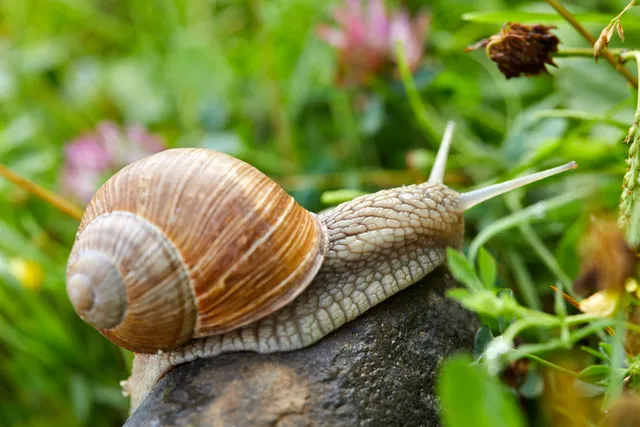
Snails and slugs love plants because they feed on them. Dogs are curious animals that like to stick their noses in grass, leaves, and puddles, which means they are exposed to the dangers lurking in those places.
Slugs and snails can be vectors (intermediate hosts) for dangerous parasites, including lungworms, which can lead to severe health problems in dogs. These parasites can enter the body when dogs eat these intermediate hosts. Dogs can also get infected if they lick slug or snail mucus.
So, if you see your dog with a slug or snail, contact your vet for advice. If your dog does eat a slug, there is also the chance that they ingest metaldehyde, a toxic substance found in slug and snail baits that is life threatening for dogs. Wherever there are slugs or snails, there could be molluscicidal baits and you need to be on the lookout.

What Are Slugs?
Slugs, or snails without shells, are yellowish-white to reddish-brown gastropod mollusks with a 40–60-mm-long body. They are found mainly in forests, plains, orchards, or gardens (especially vegetable gardens), preferring wet places. Their bodies are covered with a milky mucus that protects them from predators.
Most slugs feed on plants, leaves, ripening fruits and vegetables, and decaying plant matter, but they can also eat animal waste and dead slugs or worms.

Why Do Dogs Eat Slugs?
Dogs usually consume slugs by mistake while munching on grass and rarely out of pleasure. If you have not seen your dog with a slug in their mouth, it is difficult to know whether your pet has eaten one.
However, there are a few signs that can indicate that this happened:
- Evidence of grass eating
- Mucus around their mouth
- Slug pieces or mucus next to your dog
What to Do If Your Dog Ate a Slug
If you notice that your dog ate a slug or snail or even just licked one and they are not on any regular preventative medication, call your vet for advice. Also look for evidence of slug or snail bait in the area and monitor your dog carefully.
What Can Happen If a Dog Eats a Slug?
Although they may seem harmless, slugs can pose a danger to dogs. Here's what can happen.
1. Lungworm Infection
Lungworm infection can occur after ingestion of slugs and snails in areas where these parasites are present.
Lungworms are nematodes that settle in the heart and the major blood vessels to the lungs. There are two main types: Angiostrongylus vasorum and Crenosoma vulpis (fox lungworm). A dog becomes infested with lungworms when they eat slugs that contain the infective larvae stage. Dogs can also become infested when they lick a toy or their fur on which lungworm larvae are living. Even humans can become infested with lungworms if they accidentally ingest an infested slug or eat unwashed leafy vegetables that have been contaminated with slug mucus.
If you live in an area where lungworms are present, it is best to speak to your vet about preventative care because some flea and worm medications can also kill these parasites. Once in the body, the larvae turn into adults and migrate to the heart and lungs through the blood vessels. This can cause heart and breathing problems, along with pneumonia. If it’s mild enough, the infection may not be noticeable.
After nearly 1 month, the adult lungworms begin to produce eggs that travel through the blood to the lung tissue and hatch into larvae (stage one, or L1). At this stage, the affected dog may have severe health problems.
The L1 larvae migrate to the pulmonary alveoli, which causes the dog to cough and swallow them. Once they reach the digestive tract, they are eliminated through feces, and the intermediate hosts (slugs, snails, and frogs) will eat them, and the life cycle will continue.
Clinical signs of lungworm infection in dogs include:
Lungworms can cause bleeding in the lungs, eyes, intestine, and spinal cord, as well as in other parts of the body. Death can also occur in severe cases.

2. Slug and Snail Baits
Metaldehyde is a molluscicide used to attract and kill slugs and snails. When ingested it can have very serious consequences to dogs causing severe neurological and occasional liver and kidney failure. Poisoning occurs when dogs ingest the bait directly from the ground, however if a dog ingested a slug contaminated with bait, it could also pose a threat.
Clinical signs of poisoning with slug and snail bait may include:
- Seizures
- Excessive salivation
- Twitching
- Incoordination
- Vomiting
- Diarrhea
- High body temperature
- Panting
- Muscle spasms
- Difficulty breathing
- High heart rate
- Excessive physical sensitivity (hyperesthesia)
If your dog shows any of these clinical signs or you saw them eating a slug or snail, call the vet as soon as possible.
Frequently Asked Questions (FAQ)
Are Slugs Poisonous to Dogs?
Slugs are not toxic to dogs by themselves. They could become poisonous if they are contaminated with slug and snail bait containing metaldehyde. These baits can poison your dog and lead to severe clinical signs and even death. So, if your dog has eaten a slug, monitor them for signs of illness and contact the vet immediately.
Are Garden Snails Poisonous to Dogs?
As in the case of slugs, garden snails are not inherently toxic to dogs, but they are contaminated with slug and snail bait. Also, snails, slugs, and even frogs are hosts for lungworms, which can lead to severe clinical signs and even death if your infested dog is not treated in time. For these reasons, it is vital to take your pet to the vet if they have eaten snails or slugs.
Conclusion
If your dog ate a slug, it can be a cause for concern. Slugs are not naturally poisonous to dogs, but they can be infested with lungworm larvae, or your dog can get poisoned with metaldehyde, a toxic chemical found in snail and slug baits. Your dog can also become infected with lungworms if they lick slug mucus or drink and eat contaminated water and plants.
Even if you think the slug is not infected with parasites or contains metaldehyde, it may still cause your dog gastrointestinal problems or may indicate a health problem making your dog eat unusual items or grass. So, if you see that your dog ate a slug, contact the veterinarian for advice.
Related Reads:
Expert dog care, straight to your inbox
News, insights, expert advice, and everything dog.

No spam — unsubscribe anytime.
By signing up, you agree to our Terms & Conditions and Privacy & Cookies Policy.
How useful was this post?
Click a star to rate. You can leave written feedback afterwards. (We read all feedback.)
Dr. Iulia Mihai, DVM MSc (Veterinarian)
Dr. Iulia Mihai is a veterinarian with more than 13 years of experience in laboratory, cancer and pet pathology. Dr. Mihai studied at the University of Agronomical Sciences and Veterinary Medicine of Bucharest, Romania. She has a master’s degree in equine and pet pathology and studied epithelial cancer for her Ph.D. Iulia has a passion for internal medicine and parasitology and started volunteering at the faculty’s clinic in her third year of college. She enjoys writing and educating people about disease prevention, nutrition, behavior, and treatment. She has worked in a couple of veterinary clinics over the years as an internal medicine specialist.