How to Save Plants From Dog Urine — 6 Possible Ways

In this article
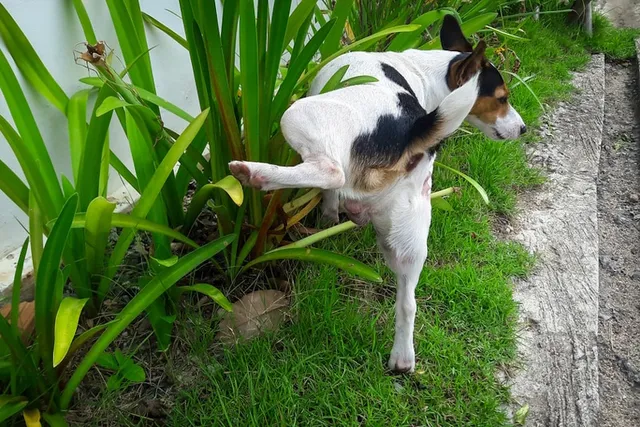
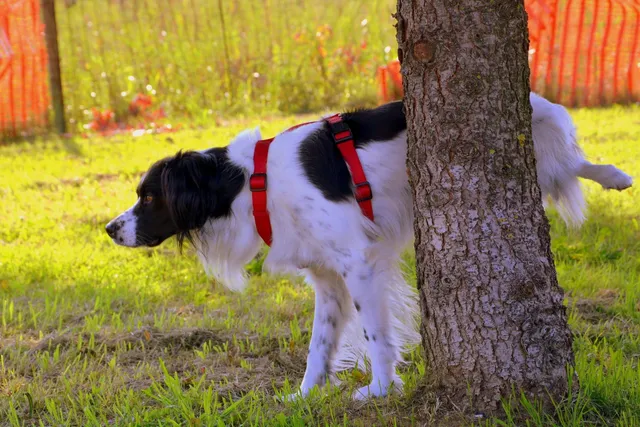
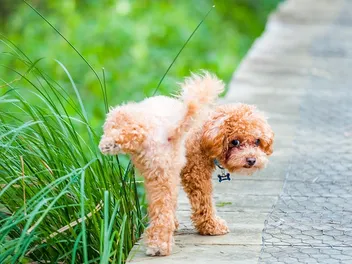
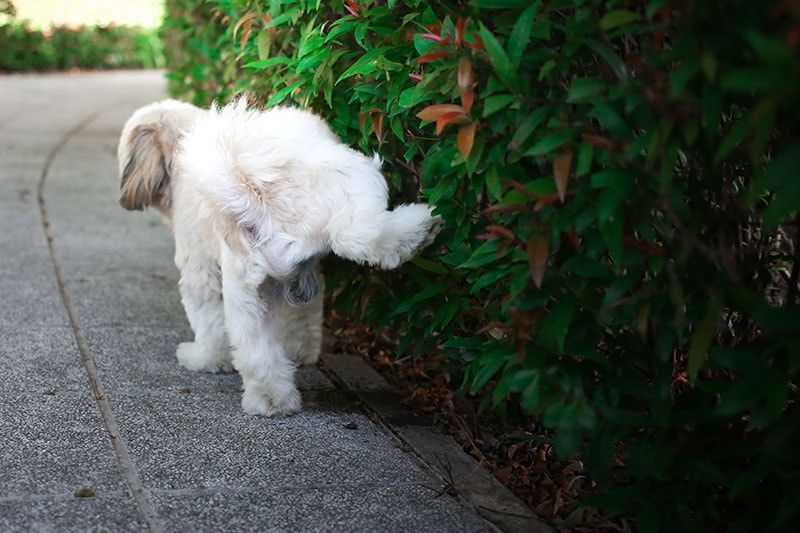
Seeing your beloved plants die or turn brown can be tough, especially when it is your own dog that’s killing them. Dog urine can kill several plant and tree species. It also causes those unsightly brown spots on your lawn. Unlike human urine, the highly concentrated nature of dog urine can have devastating effects on your greenery and your yard. So, how do you save plants from dog urine?
Before you change your lawn to AstroTurf or give up on growing beautiful shrubbery, we have good news. We will answer all your burning questions about the killing qualities of dog urine and give you great tips to overcome the problem.

The 6 Ways to Save Plants From Dog Urine
1. Urine Dilution
Materials:
There are two ways to neutralize dog urine on plants. The easiest is to simply dilute the urine. By doing this, you are decreasing the concentration of damaging compounds in the urine and therefore, minimizing the damage to your plants.
The problem with this method is that you have to dilute your dog’s urine immediately after they pee. It’s labor-intensive and not always reasonable to follow your dog around and water everything that they pee on. Nonetheless, there may be times when you are able to intervene.
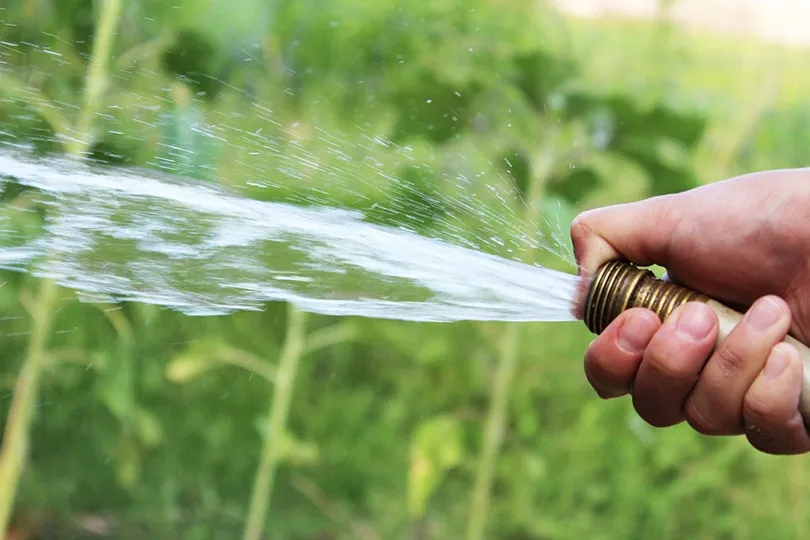
Method 1: Use a garden hose to heavily water the spot that your dog peed on.
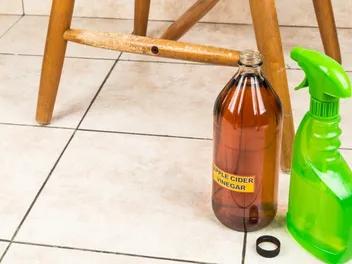
Method 2: Douse the affected plant with a mixture of ½ cup of white vinegar, 1 cup of water, and 2 tbsp. of baking soda. This mixture also neutralizes the damage-causing compounds found in dog urine.
Pros
- Reduces plant damage
Cons
- Labor intensive
2. Lime
Materials:
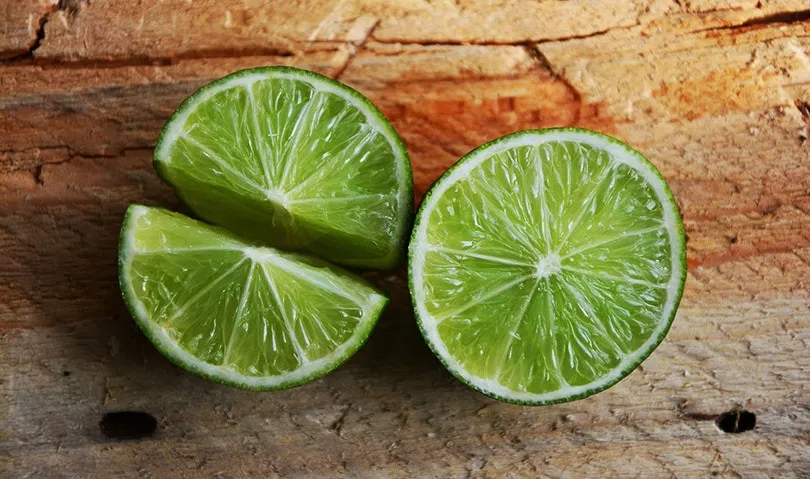
If the alkaline pH causes your plant to be damaged by your dog’s pee, you can sprinkle dolomite lime onto your soil. Dolomite lime comprises magnesium carbonate and calcium and can help regulate soil pH.
Be aware that this method will only help if your soil is acidic. If your soil is alkaline, sprinkling lime will only make it more alkaline.
Pros
- Regulates soil pH
Cons
- Only helps with acidic soil
3. Fencing
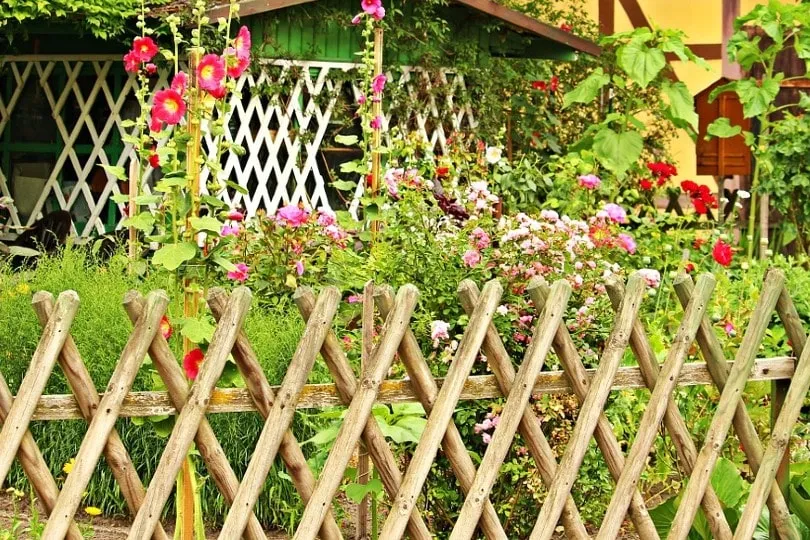
If you have a big enough yard, one of the easiest ways to prevent your dog from peeing on your plants is to create a specific area for them. There are tons of options for decorative garden fencing; you can even run a fence down the middle of your yard to keep your plants safe.
Other options for fencing include fencing off your plants or creating an area specifically for your dog. If you have trees or shrubs bordering the outside of your property, running a decorative border along the inside can prevent them from being exposed to dog urine.
To protect single plants or trees, chicken wire, obelisks, or plant cage supports can protect the roots from damage.
4. Mulching
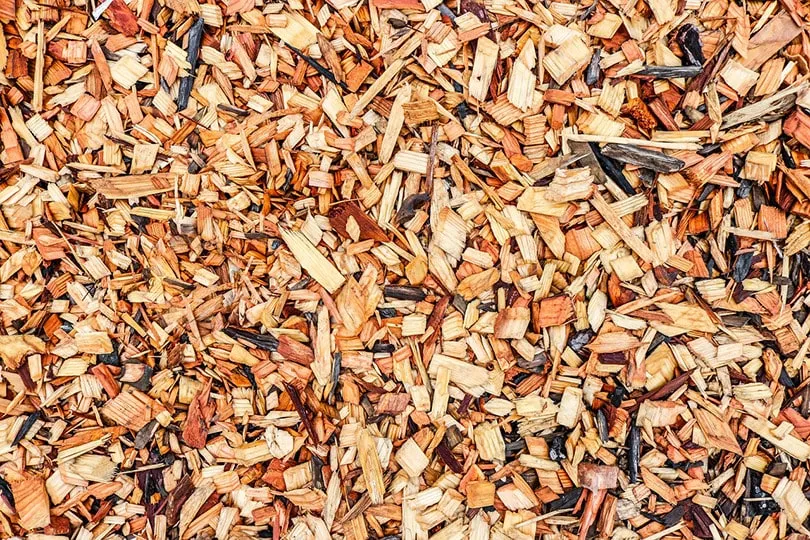
If you don’t have enough space for fencing or you simply don’t want fences all over your yard, you can create a ground cover that is undesirable for your dog to pee on. Most gardeners use organic mulch, like wood chips or straw, in their garden beds. For dogs, mulch is a playground. It’s soft, damp, and full of enticing smells.
Mulching your plant beds with less inviting materials can help keep your dog out. Try using clippings from thorny bushes, like barberry or rose stems. Junipers are prickly, too. These types of mulch and ground cover poke the soft pads of your dog’s feet when they try to enter, making it an uninviting place.
One favorite mulch idea is to line your beds with pinecones or create pinecone “moats” around your plants and trees. Dogs don’t like the way these feel on their feet, and they will look like decorative accents in your yard.
Pros
- All-natural deterrent for dogs
- Promotes plant health
Cons
- Requires a little work and creativity
5. Dog Deterrents
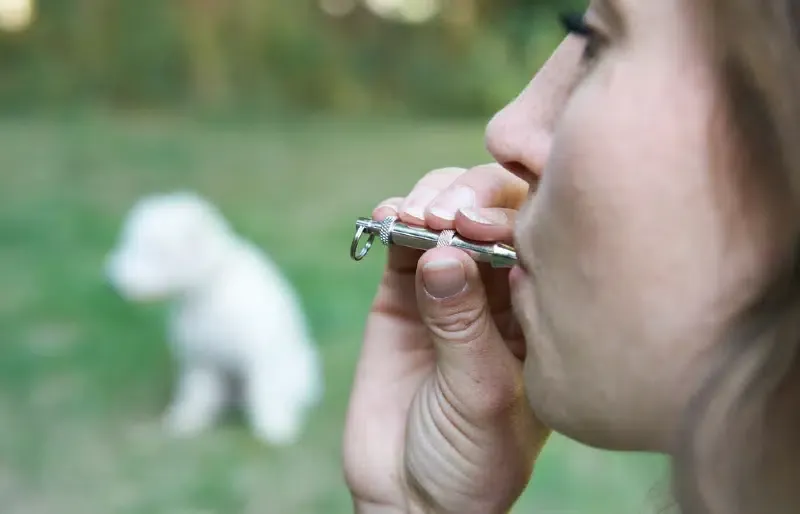
If the problem is not your own dog peeing on your plants but somebody else’s, it can be much harder to protect your plants. When it’s your own dog, you can watch their bathroom habits and adjust accordingly. When it’s a neighbor’s dog or a stray wandering in, you need to step things up a notch and use a deterrent.
Deterrents don’t have to be chemical or poison; they just need to send a “keep away” message to the offending dog. Motion-activated sprinklers work great for this by shooting water out when an animal is nearby. Decoys with LED lights can make a dog think that a predator is present and watching them.
Garden centers and pet stores sell spray-on animal deterrents that smell like predator urine. These work well as an adjunct to predator decoys to reinforce the idea that your yard is not a safe place. Other animal deterrents have strong scents that are offensive to dogs, like hot peppers, apple bitters, and orange peels.
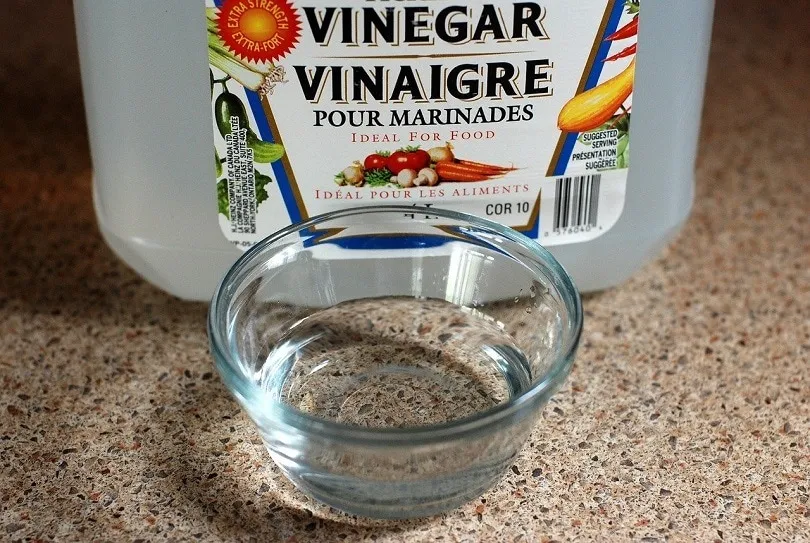
Other household items that you can use as deterrents include ammonia, vinegar, Tabasco sauce, coffee grounds, orange peels, cayenne pepper, and ground mustard.
Pros
- Keeps dogs out of your yard
Cons
- Not convenient if you also have pets that use the yard
6. Make a “Bathroom Area” and Train Your Dog to Use It
If your primary issue is your grass rather than plants and trees, the best way to stop your yard from being covered with yellow spots is to stop letting your dog use it as a bathroom. To do this, you’ll need to make a bathroom area just for your dog. Some people make dog runs that go between their house and the fence or the underside of their deck, but any area will work.
The area you choose to use should be covered in gravel, sand, or dirt, or you can use urine-resistant grass and plants. Train your dog to “go potty” in the designated area, in a similar fashion as house-training your dog. Praise them for going in the right spot, and re-direct their bathroom habits in other areas of the yard.
Pros
- Establishes healthy behavior in your dog
- Keeps your plants safe
Cons
- Requires time investment
7. Feed Your Dog a Good Diet
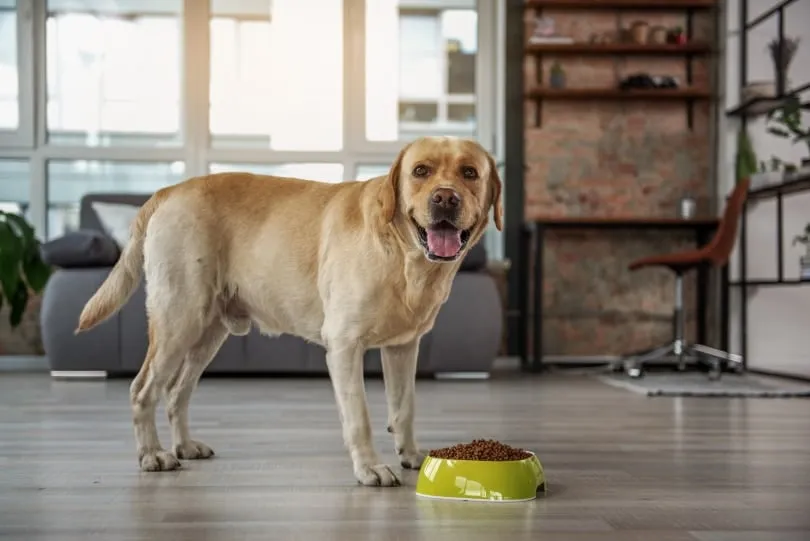
What your dog takes in has a direct impact on what comes out. Changing your dog’s diet can decrease the amount of urea in their urine and therefore, reduce the damage it causes to plants. Some dogs have difficulty digesting certain proteins, increasing protein metabolites being excreted in the urine. Sometimes, all it takes to stop dog urine from killing your plants is switching your dog from chicken to beef or beef to fish.
Pros
- Potentially fixes the problem for good
Cons
- It doesn’t always work

Why Does Dog Urine Kill Plants and Trees?
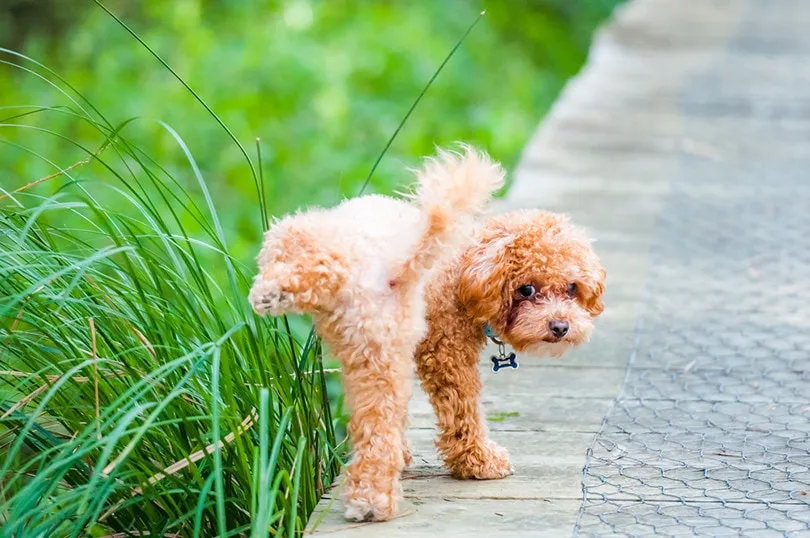
There are three characteristics of dog urine that cause it to kill plants and trees:
pH Levels
Canine urine contains high levels of salts that make it extremely alkaline. Soil pH is important for healthy plant growth, and too much dog pee alters that delicate pH balance. Over time, this causes damage to plant roots and leads to the overall destruction of the plant.
Urea
The main killing ingredient in dog urine is urea, a compound that forms from protein digestion. All mammals have urea in their urine, including humans, but since dogs eat high-protein diets, the concentration of urea in their urine is higher. The more protein that they eat, the more lethal their urine becomes to lawns and gardens.
Nitrogen
Urea contains nitrogen. Nitrogen is used as a plant fertilizer, but dog urine contains nitrogen in high concentrations. If you’ve seen what happens to a lawn after a fertilizer spill, this is the same thing. A little fertilizer spread evenly on your lawn helps it grow lush and green. When you pour a large amount in one spot, the grass turns brown and dies. Dog pee is like little fertilizer pools all over the yard.
What Plants Tolerate Dog Urine?
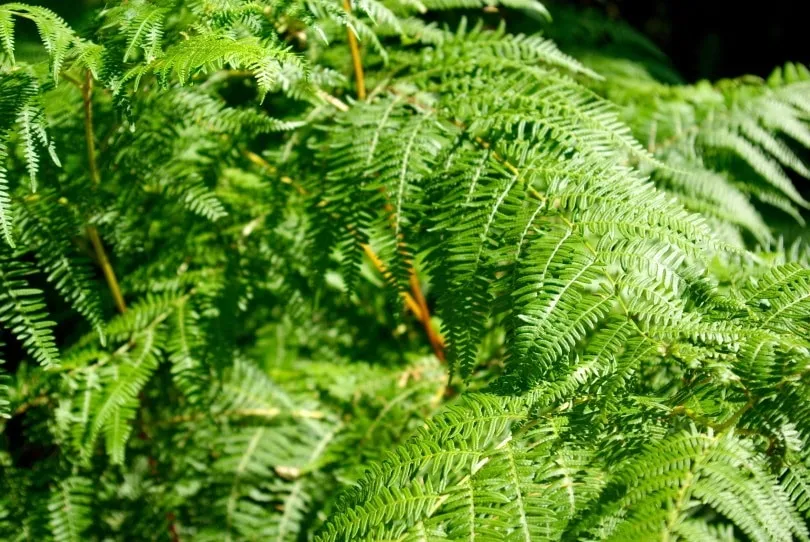
Several species of plants consume high levels of nitrogen and, therefore, are tolerant of dog urine. Vegetables like corn, lettuce, tomatoes, cucumbers, squash, cabbage, and citrus fruits love high nitrogen concentrations. The rose is another heavy nitrogen consumer.
Other popular plants that are resistant to dog urine include:
Dog-resistant herbs include:
For ground cover shrubs, look for:

Conclusion
Dog urine can kill your plants and trees, but it doesn’t have to. There are several options to keep your dog (or someone else’s) out of your plants. There are also several species of nitrogen-loving plants that tolerate dog urine. Diluting the urine or altering your dog’s diet can also help prevent damage.
Next on your reading list: 9 Plants Resistant to Dog Urine
Featured Image Credit: artartty, Shutterstock
Expert dog care, straight to your inbox
News, insights, expert advice, and everything dog.

No spam — unsubscribe anytime.
By signing up, you agree to our Terms & Conditions and Privacy & Cookies Policy.
How useful was this post?
Click a star to rate. You can leave written feedback afterwards. (We read all feedback.)
Chelsie is a freelance writer who is passionate about helping owners and pets live their best lives. She resides in rural Alberta, Canada with her husband and two sons, and is currently a pet parent to four horses, four cats, and a Border Collie .