4 Pet Safe Insecticides to Use at Home: Safety & Facts


In this article
Many people are worried about using pesticides around pets and for a good reason. Eating insect and rat bait can be extremely harmful to our pets and walking through freshly applied insecticides can also be harmful depending on the product. Then again, bug sprays and topical parasiticides designed for dogs are largely very safe when used correctly.
Our general recommendation is to read label instructions when using pesticides around your pets and contact the Pet Poison Helpline or Animal Poison Control if you are concerned about what your dog has been exposed to.
Nevertheless, there will be people looking for more natural parasite control options for around the house, we’ll show you the best pet-safe natural insecticides for a healthier, safer home.

How Are Pet-Safe Insecticides Classified?
Pet-safe insecticides can be helpful in a broad range of applications, whether you’re trying to keep insects out of the garden or away from the house and indoor plants. The best solution depends on the pests you’re targeting. Some are broader than others, helping to eliminate various insects, and the applications can vary from powders to liquids and sprays.
When picking the best pet-safe insecticide for your situation, research its appropriate use and tips for minimizing exposure to ensure your dog is always safe.

The 4 Pet-Safe Insecticides to Use at Home
1. Neem Oil
- Target Insects: Aphids, thrips, grasshoppers
Neem oil comes from the seeds of the neem tree, a valuable source of phytochemicals used in healthcare, cosmetics, and pest control. Azadirachtin is the active component as a deterrent, interfering with egg deposition and insect growth and stopping pests from feeding. Gardeners use the relatively broad-spectrum insecticide for hundreds of common pests, including:
- Aphids
- Leafhoppers
- Mealybugs
- Whiteflies
- Crickets
- Thrips
Neem is biodegradable and safe for use around dogs, cats, birds, and livestock. Need oil can be harmful to aquatic life, so you must ensure it doesn’t run off into any local waterways or dams.

How to Use Neem Oil as an Insecticide
To use neem oil as a foliar spray for plants, combine ½ teaspoon of mild, plant-safe dish detergent or castile soap with a quart of water in a spray bottle and mix well. Add 1–2 teaspoons of neem oil and shake to combine.
Apply your neem oil solution in the early morning or evening, as it can cause foliage to burn if applied during the hot midday hours. Shake the bottle and spray your plants from top to bottom. For continued repellency, spray another application after 7–10 days. If you’re unsure how your plants will respond to the oil, spray a test area and wait 24 hours to watch for changes.
2. Diatomaceous Earth
- Target Insects: Adults and larvae, insects with exoskeletons
Diatomaceous earth is a powdery substance consisting of dried, fossilized remains of diatoms, a form of unicellular green algae. Gardeners have used DE for generations, effectively blocking a long list of insects and pests, including:
- Snails
- Slugs
- Ants
- Bed bugs
- Fleas
- Dust mites
- Cockroaches
- Aphids
- Earwigs
- Gnats
- Silverfish
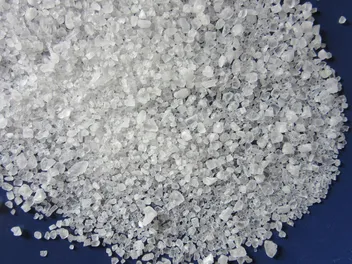
The fine silica is a desiccant. As pests pass over it, DE acts as an abrasive and adsorbs their bodily oils and fatty acids, causing them to dry out and die. If you get food-grade DE, you can safely apply it around pets. Dogs can even ingest it in small quantities for deworming, or you can put it on their coat for external parasites.
Please note this is recommended for external use on dogs only, and even then it can cause skin irritation. If it gets into your dog's eyes or is inhaled it can also cause problems.

How to Apply Diatomaceous Earth
You can use food-grade DE anywhere you have a pest problem, whether inside or in the yard. Though generally safe, the powder can create irritation if inhaled, so always use a dust mask and gloves when applying it.
After finding the infested areas, sprinkle light dustings of DE over the area to let it settle into the plants and surrounding soil. Indoors, you can use DE on carpet, in cabinets, around appliances and garbage cans, and near windows and doors. Leave it for several hours before vacuuming, or let it sit for several days if the area doesn’t see any traffic.
DE can take time to show results. You may see signs of reduced infestations in only a few hours, but don’t be surprised if it takes a week or more to notice meaningful gains. Meanwhile, supervise your dog to ensure they don’t have any undesirable reactions.
3. Beneficial Nematodes
- Target Insects: Grubs and soil-dwelling insects at all stages
Beneficial nematodes are an insect-fighting soil infusion for a pet-safe garden. The microscopic organisms are safe around humans, pets, and the plants they protect while aggressive against caterpillars, cutworms, grubs, and hundreds of pests that spend some of their lives in the ground. Thankfully, they don’t harm earthworms which are beneficial for the garden.
Nematodes enter target insects and infect them with bacteria that kill the pest. After you apply them to the soil, nematodes proliferate and spread, pursuing and infecting any pests they find.

How to Use Nematodes for Insect Control
Nematodes come in blends you can mix with water and spray around your lawn and garden or use as a soil drench. Because sunlight can render them ineffective, you should apply nematodes when it’s cloudy. Rainy days are practical, as nematodes thrive in moist soil. Otherwise, you must saturate the soil before using them.
4. Essential Oil Insecticides
- Target Insects: Mosquitoes, ants, ticks, roaches, larvae
Essential oils are environmentally friendly alternatives to harsh chemical insecticides. Although many compounds, such as limonene, can be toxic to dogs and cats in high doses, the amounts in many low-toxicity products are unlikely to cause any adverse reactions. The following are a few commercial pet-safe insecticides to use at home:
Follow the manufacturer’s directions for safe indoor and outdoor applications. Though generally safe, your dog may suffer some ill effects if they are smaller or particularly sensitive to essential oils. Fortunately, the smells of many oils are off-putting to pets, so they’d be unlikely to sniff or lick it to the point of poisoning.


Common Insecticide Dangers
Pesticides are among the most common causes of pet poisoning. Many products can impact non-target species, so domestic animals and wildlife may suffer adverse health effects. Dogs and cats face varying risks from ingesting and inhaling toxins or absorbing them through their skin.
Pyrethrins/pyrethroids, carbamates, and organophosphates are the most common classes of pesticide your pet can be exposed to, and depending on the chemical and how much your pup was exposed to can sometimes result in severe poisoning, and cats are particularly sensitive to their effects.
Signs of intoxication include:
Worsening cases may lead to hypothermia, hyperthermia, breathing difficulty, and seizures. Immediate veterinary care is crucial if you suspect poisoning, as dogs can die from severe toxicity. The herbicide 2,4-dichlorophenoxyacetic acid has been associated with canine lymphoma.
If you’re concerned about your pet’s well-being, we recommend you contact a veterinarian.
Integrated Pest Management
Generally, insecticides and pets don’t mix, even when discussing cat and dog-safe pest control products. Excessive exposure to safe solutions can eventually harm animals, and pets may disturb applications of diatomaceous earth and other natural insecticides as they encounter them, limiting their effectiveness.
Despite the benefits of insecticides, you can reduce your need for them with a holistic approach. By blocking pests and making your home and garden less appealing, you’ll naturally have fewer insects to combat.

Indoor Pest Management Tips
- Minimize clutter
- Take the trash out every night and store it in a closed bin
- Fix household leaks
- Improve drainage around the perimeter
- Clean your gutters
- Trim back landscaping near the house and tree limbs hanging over it
- Caulk cracks, gaps, and other entry points around the home
- Keep the sink clean and wash dishes daily
- Clean counters and stovetops daily
Pest Management Tips for the Garden
- Plant pest-resistant species
- Use mulch in garden beds
- Rotate crops every 2–4 years
- Clean and disinfect gardening tools regularly
- Remove debris from the lawn and garden
- Plant pest-deterring companion plants or sacrificial trap plants to keep pests off your garden plants
Integrated pest management starts with knowing what species are in your garden, both good and bad. Maintaining the ecosystem is crucial for healthy soil and plants, and applying insecticides without planning can harm desirable organisms. With thoughtful IPM strategies, you can reduce insecticide use and support beneficial bugs and microbes that promote plant growth and fend off damaging invader species.

Conclusion
Pet-safe insecticides might take extra effort to deliver the effective pest control you want for your home and garden, but our furry family members are worth it. Consider your unique insect challenges to build an integrated pest control plan. By minimizing your pesticide use and using natural solutions when necessary, you’ll be taking more responsible steps for the health of your pets, your family, and the planet.
Sources
Featured Image Credit: jevelin, Shutterstock
Expert dog care, straight to your inbox
News, insights, expert advice, and everything dog.

No spam — unsubscribe anytime.
By signing up, you agree to our Terms & Conditions and Privacy & Cookies Policy.
How useful was this post?
Click a star to rate. You can leave written feedback afterwards. (We read all feedback.)
Nicole has loved animals of all sizes her whole life so it's no wonder she has dedicated her career to helping them through what she loves best: learning, writing, and sharing knowledge with others. She’s the proud mom of two dogs, a cat, and a human. With a degree in Education and 15+ years of writing experience, Nicole wants to help pet parents and pets around the planet to live happy, safe, and healthy lives.