Dogster is reader-supported. When you buy via links on our site, we may earn a commission at no cost to you. Learn more.

Dog Health & Care

Is Mulch Safe for Dogs? Our Vet-Approved Advice

Nicole Cosgrove
By Nicole Cosgrove · Reviewed & fact-checked by Dr. Amanda CharlesVet Approved
Dr. Amanda Charles
Reviewed & Fact-Checked byDr. Amanda CharlesBVSc MRCVS (Veterinarian)
Dr. Amanda Charles, a 2002 graduate from Liverpool University, has built a prolific career in small animal medicine. She is passionate about providing pet owners with reliable and current information, enjoying the varied aspects of veterinary work. Outside the clinic, Amanda's life is filled with the energy of her two young sons, her spirited Cocker Spaniel, along with a spunky Ragdoll cat.View authorThe information is current and up-to-date in accordance with the latest veterinarian research. Learn more
Updated on June 17, 2026
Share
Dogster_Is Mulch Safe for Dogs

Mulch is not safe for your dog to eat. While some varieties can present more dangers than others depending on what they are made from, all pose a risk to your dog, and some are even toxic. If you suspect your dog has eaten mulch, contact your veterinarian immediately.

So, why is mulch so bad for your dog? We’ll take a look at the types of mulch you might have in your garden so you know the various effects they might have on your dog’s health.

divider dog faces oct 2024

What Is Mulch?

Mulch covers the soil, makes it more attractive, reduces weed growth, and retains moisture. It can be made from rubber, cedar shavings, and cocoa beans. To a dog, mulch can smell and look enticing, and it’s especially tempting for dogs that like to munch things in the garden they shouldn’t.
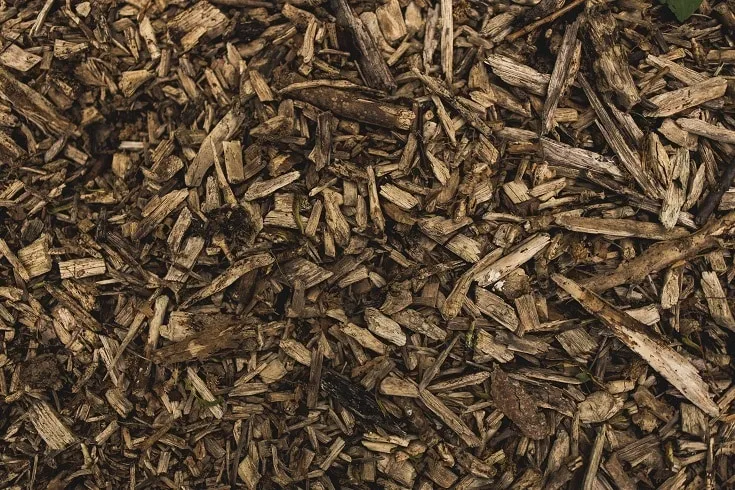
Image By: CC0 Public Domain, Pxhere

What Are the Risks?

Large pieces of mulch can damage your dog’s throat or lead to bowel and stomach obstructions. Cocoa bean mulch smells great, but the danger lies in the compounds it contains, theobromine and caffeine, which you also find in chocolate. These substances are poisonous to dogs, and eating them can lead to signs such as vomiting, diarrhea, a fast heart rate, tremors, and even seizures. Some gardeners also use pine needles, which can look pretty but can damage your dog’s gastrointestinal tract if swallowed and get stuck in their paws if walked on.

Rubber is also considered a safe alternative. However, there are still concerns about using rubber; residual chemicals could make your dog sick if they chew on it, and there is a risk of gastrointestinal obstruction if they swallow chunks.

Mulch can contain molds or pesticides that can be toxic if eaten. Many types could contain molds like penitrem A and roquefortine, which can cause tremors or seizures, vomiting, or diarrhea.
Image Credit: EvitaS, Pixabay

Signs of Mulch Poisoning

We suggest taking your dog to the vet if you suspect they have ingested mulch; you don't have to wait for any signs of mulch poisoning to appear. The signs of mulch poisoning vary depending on the type and amount they have eaten. Signs may include:

  • Abdominal bloating/pain
  • Depression and lethargy
  • High blood pressure
  • Hyperactivity
  • Inability to have a bowel movement or diarrhea
  • Increased heart rate
  • Irregular heart rhythm
  • Loss of appetite
  • Rapid breathing
  • Restlessness
  • Rise in body temperature
  • Seizures
  • Increased thirst
  • Tremors
  • Vomiting

If you’re concerned about your pet’s well-being, we recommend you contact a veterinarian.

Although rare, the most severe cases can be fatal, so you must seek medical attention immediately. While some pose higher risks, like cocoa bean mulch, all types can contain mold or result in an obstruction, which can be fatal.

Bring a mulch sample and the product packaging to the veterinarian clinic to determine its composition, if possible.

Will Your Dog Recover From Mulch Poisoning?

The recovery rate will depend on a few factors, such as how much mulch was ingested, the health of your dog, and the time between the ingestion and when treatment was sought. Fortunately, most dogs make a full recovery.

If you don't think you can keep your dog from munching on mulch, remove it from your garden. If you have a dog that enjoys eating soil, plants, and any other inappropriate items outside, you might need to monitor them at all times when they’re outdoors. Other things you can do include the following:
  • Train your dog to stay away from the mulch
  • Create a small physical barrier
  • Distract your dog when they’re outside
  • Use pet-safe scented deterrents so the mulch doesn’t smell so interesting
Image Credit: Matheus Bertelli, Pexels

Are There Any Safe Alternatives You Can Use?

There is some debate about whether there are any safe alternatives to use in your garden. Stones and rocks are a good alternative since most dogs aren’t prone to eating them. Sawdust can be safe, depending on which tree it came from; cedar and cypress are generally considered dog-friendly.

divider dog faces oct 2024

Summary

Mulch is unsafe for your dog to eat, and the sooner you get your dog treatment, the faster their recovery will be. The recovery time will also depend on how much mulch they ingested and your dog’s overall health. Thankfully, most dogs fully recover, but if you suspect it could happen again because your dog likes to munch on things they shouldn’t, it might be wise to keep them away from the mulch or remove it entirely.

Sources

Featured Image Credit: CC0 Public Domain, pxhere

The Dogster Newsletter

Expert dog care, straight to your inbox

News, insights, expert advice, and everything dog.

No spam — unsubscribe anytime.

By signing up, you agree to our Terms & Conditions and Privacy & Cookies Policy.

Click a star to rate. You can leave written feedback afterwards. (We read all feedback.)

Nicole Cosgrove
Authored by

Nicole Cosgrove

Leave a Reply

You're very welcome to leave a comment or question. Please know that all comments must meet our community guidelines, and your email address will NOT be published. Let's have a positive and constructive conversation.

Gardening With Dogs: 12 Vet-Approved Tips for Creating a Dog-Friendly Yard

Gardening With Dogs: 12 Vet-Approved Tips for Creating a Dog-Friendly Yard

Gardening is a hobby that more and more people are starting to enjoy. In fact, according to the 2023 National Gardening Survey, the average household spent $61…

Chris Dinesen Rogers
By Chris Dinesen Rogers · 1 month ago
Is Snail Bait Safe for Dogs? Vet-Reviewed Safety Tips

Is Snail Bait Safe for Dogs? Vet-Reviewed Safety Tips

Snails and slugs can be problematic to any home garden. Dog owners are often left wondering how to handle the problem without hurting their beloved pet. It’s t…

Rachel Giordano
By Rachel Giordano · 1 month ago
Are Pine Needles Bad for Dogs? Vet-Approved Facts & FAQ

Are Pine Needles Bad for Dogs? Vet-Approved Facts & FAQ

It’s the holidays, and you’ve just found your dog chewing on the live Christmas tree. Or maybe you found your pup gnawing at a limb that fell from the pine tre…

Misty Layne
By Misty Layne · 1 month ago
My Dog Ate a Rose, What Should I Do? Vet-Reviewed Facts, Complications & FAQ

My Dog Ate a Rose, What Should I Do? Vet-Reviewed Facts, Complications & FAQ

If your dog has eaten a rose, don't panic; roses are not toxic to dogs. At worst, it can give your pup an upset stomach, which will resolve in a day or two. Ho…

Dr. Iulia Mihai, DVM MSc
By Dr. Iulia Mihai, DVM MSc · 4 weeks ago

Plants That Are Toxic to Dogs: 19 Vet-Verified Ones to Avoid

There are many science-backed reasons to have gardens and indoor houseplants, but if you share your home with a dog, growing plants comes with some risks. Dogs…

Chantelle Fowler
By Chantelle Fowler · July 4, 2026
Plants That Are Toxic to Dogs: 19 Vet-Verified Ones to Avoid

Why Do Dogs Eat Leaves? Vet-Verified Reasons & Risks

While dogs have a reputation for being meat lovers, their diet actually follows an omnivorous style. Dogs can safely eat a variety of fruits and vegetables, so…

Jessica Kim
By Jessica Kim · June 17, 2026
Why Do Dogs Eat Leaves? Vet-Verified Reasons & Risks

Lead Poisoning in Dogs: Causes & Symptoms Explained

Lead poisoning, also known as plumbism, is a severe condition that may occur when your dog comes into contact with a substance containing lead. Though modern s…

Chantelle Fowler
By Chantelle Fowler · June 17, 2026
Lead Poisoning in Dogs: Causes & Symptoms Explained

How to Stop Your Dog From Digging: 9 Effective Vet-Approved Tips

A lot of dogs love to dig, but while it can feel like they are doing it just to ruin your perfectly landscaped flower bed or to wreak this year’s lettuce harve…

Matt Jackson
By Matt Jackson · June 17, 2026
How to Stop Your Dog From Digging: 9 Effective Vet-Approved Tips

What Flowers Are Poisonous to Dogs? 17 Common Flowers to Keep Away From Your Pup

Flowers are beautiful additions to any home and garden. Their bright, colorful blooms can bring joy on the darkest days and even boost your home's curb appeal.…

Chantelle Fowler
By Chantelle Fowler · July 4, 2026
What Flowers Are Poisonous to Dogs? 17 Common Flowers to Keep Away From Your Pup

If Your Dog Eats Glass - Here's What Happens Next

The sound of shattering glass brings your dog running instead of hiding. By the time you get to the kitchen, they're already sniffing the wreckage - or worse,…

Dan Seymour
By Dan Seymour · June 16, 2026
If Your Dog Eats Glass - Here's What Happens Next

Foreign Body Ingestion in Dogs: Vet-Reviewed Signs & Treatment

Most owners have experienced the scare of their dogs ingesting something that can cause harm. Canines are curious creatures and will investigate anything that…

Rachel Giordano
By Rachel Giordano · June 17, 2026
Foreign Body Ingestion in Dogs: Vet-Reviewed Signs & Treatment

20 Common Household Items That Are Poisonous to Dogs (Vet Reviewed)

There are some items in your home you know your dog shouldn’t get into because they are toxic. However, you may not know how many everyday items are hazardous…

Misty Layne
By Misty Layne · July 4, 2026
20 Common Household Items That Are Poisonous to Dogs (Vet Reviewed)

Love Dogs? So Do We! Join the Dogster Community

Stay informed with expert pet care insights delivered straight to your inbox! Discover professional guidance on animal behavior, feeding tips, trusted product picks, and much more.

You may opt-out at any time. View our Privacy Policy for more information.

The Dogster app on a phone