How to Walk a Big Dog: 9 Vet-Approved Tips


In this article
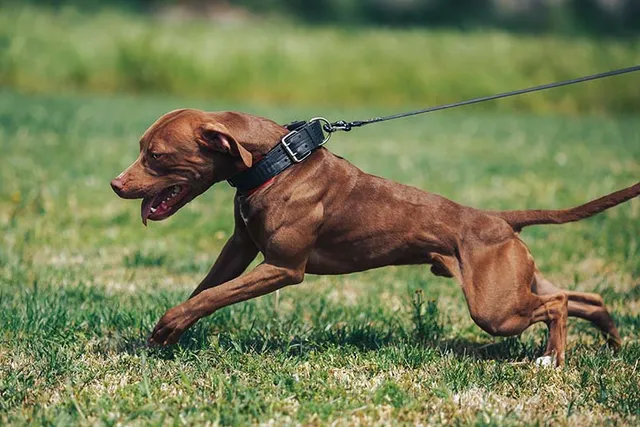
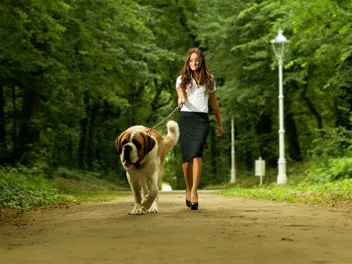
Walking the dog is a part of life for any owner, but a particularly big dog can be hard to control. Walking a large dog can also be a real struggle for someone with a bad back or another health issue and for children.
If you have a big dog and are looking for tips to help make your daily walks a bit easier, read on! We also answer common questions to help you have a better experience with your pet every time you leave home.

The 9 Tips for Walking a Big Dog
1. Use the Right Equipment
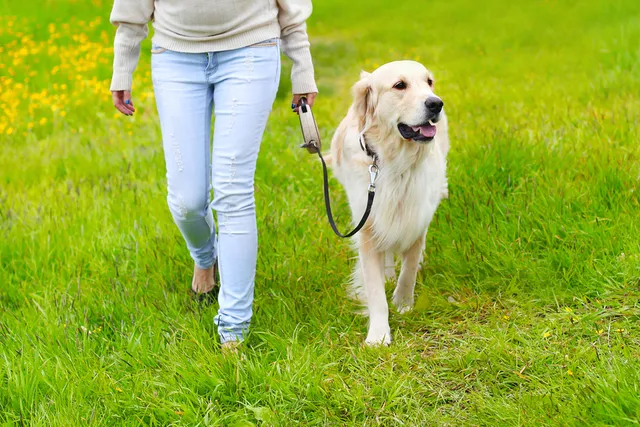
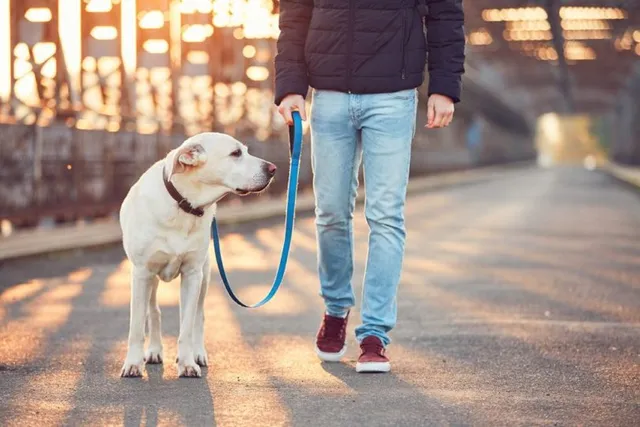
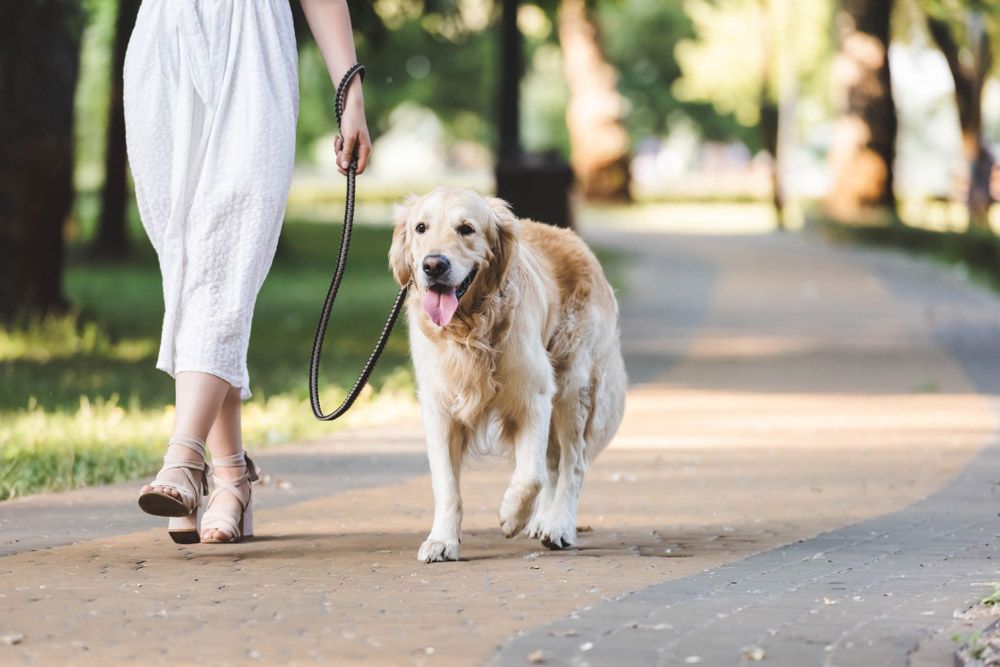
Invest in a sturdy, high-quality harness that distributes pressure evenly across your dog’s chest and back, reducing strain on their neck and giving you more control than what you get with a collar. Additionally, use a durable leash that’s long enough to allow a bit of freedom but not so much that you can’t control your dog if they lunge or pull.
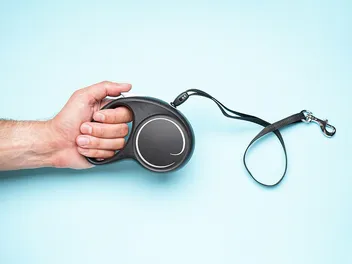
Avoid retractable leashes, as the locks can malfunction, and they are hard to control when you need them most. A 6-foot leash is often considered the standard. Many dog-friendly locations also limit leash length to 6 feet.

2. Utilize Training
Basic obedience training is especially crucial for large breeds. Commands like “sit,” “stay,” and “here” can help make your pet more manageable on the trail and keep them out of danger. If you are struggling to get your large dog to do what you say, consult with a professional trainer for guidance and assistance while your pet is still a puppy to help ensure that they are manageable as an adult.
3. Try the Stop-and-Go Method
The stop-and-go method is a training technique in which you stop walking the moment that your dog starts to pull and refuse to move again until they stop. While it can add a great deal of time to your walk when you first start, staying consistent can be an effective way to prevent even large dogs from pulling.

4. Exercise Before Walking
If your dog constantly pulls or tries to run off when you walk, consider giving them exercise before you set out. A quick game of fetch or playtime in the yard can help burn off energy and excitement, making it easier to manage them during the walk.
5. Provide Mental Stimulation
Mental stimulation can sometimes be just as effective as physical exercise in helping your dog stay manageable. Changing your routes frequently to explore new sights and smells can prevent them from treating the walk like a race. Training exercises during your walks can also be an effective way to stimulate your pet’s mind.

6. Socialize Your Big Dog
Socializing your large dog with as many people, places, and other animals as possible, especially while they are still a puppy, can go a long way toward making them more manageable. Your pet will feel much less afraid when visiting a new area and be less intimidated by other dogs, making them less likely to pull, lunge, or be aggressive.
7. Understand Your Dog’s Body Language
Learning to read your dog’s body language can help you anticipate their behavior, making it easier to manage. Knowing when your pet is feeling anxious or threatened allows you to intervene and calm them down before a situation escalates.

8. Stay Alert
While being able to read your dog’s body language can help you intervene once your dog starts getting upset, knowing your surroundings and staying alert to potential threats can help you avoid problems altogether. Always try to look for potential dangers that might cause your pet to start pulling, so you can be better prepared or choose a different path.
9. Be Patient and Consistent
Good walking habits can take time to develop. Consistency in training, walking routines, commands, and rewards can help speed up the process, but it’s important to be patient and avoid getting upset with your pet, as that will only set back your progress.

Frequently Asked Questions
How Long Should I Walk My Big Dog Every Day?
Big dogs typically need at least 30–60 minutes of walking daily, depending on their health, age, and breed. If you are unsure about how much exercise your pet needs each day, discuss it with your vet.
What Should I Do If My Big Dog Becomes Aggressive Toward Other Dogs or People During Walks?
If you notice your leashed dog becoming aggressive during walks, seek help from a professional trainer to stop the behavior before they get out of control and cause an injury. Professional trainers have the experience and tools needed to get your pet back on track and make them easier to control when out walking.
How Often Should I Stop for Breaks During a Long Walk With My Big Dog?
When out walking with your dog, take a break every 15–20 minutes to let them get water and rest, though you may be able to go for a bit longer if your breed is particularly energetic. If the weather is warm or your pet is getting older, you may need to take breaks more frequently.

Final Thoughts
Taking a big dog for a walk can be physically challenging. However, a good harness and leash can give you more control than the traditional collar and leash, and teaching your dog obedience commands can reduce your need to rely on the leash, as can socializing them with as many people, places, and environments as possible when they are still a puppy.
Many people have had success playing with their dogs before setting out on a walk, and the stop-and-go method can be extremely effective if you stay consistent.
Sources
Featured Image Credit: LightField Studios, Shutterstock
Expert dog care, straight to your inbox
News, insights, expert advice, and everything dog.

No spam — unsubscribe anytime.
By signing up, you agree to our Terms & Conditions and Privacy & Cookies Policy.
How useful was this post?
Click a star to rate. You can leave written feedback afterwards. (We read all feedback.)
Ed Malaker is a seasoned writer who has contributed to a wide range of blogs covering everything from tools to guitars, and pets to fitness. When Ed isn't writing, he is usually making DIY projects around the house or working in the garden.