How Much Do Great Danes Shed? Care and Vet-Approved Grooming Tips


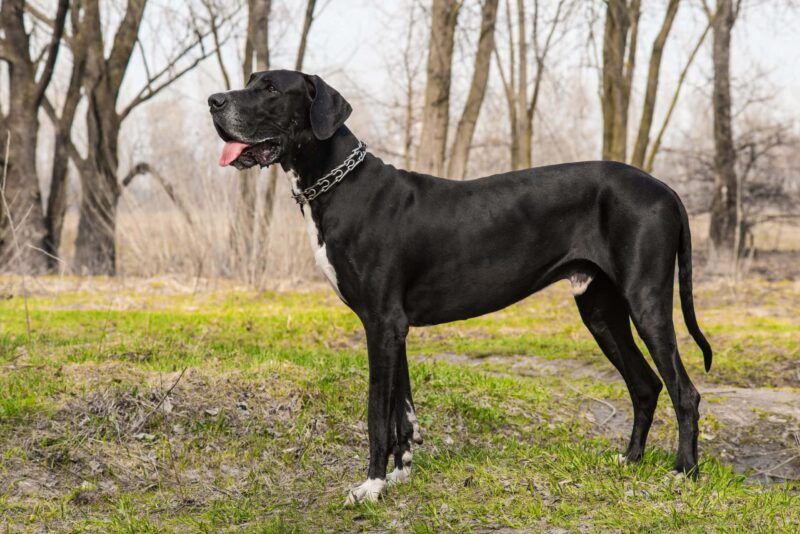
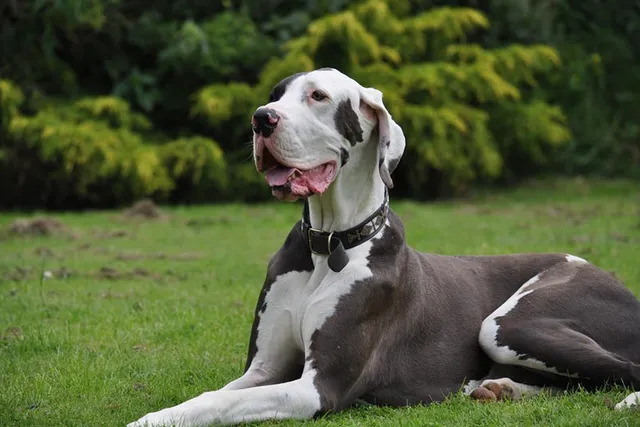
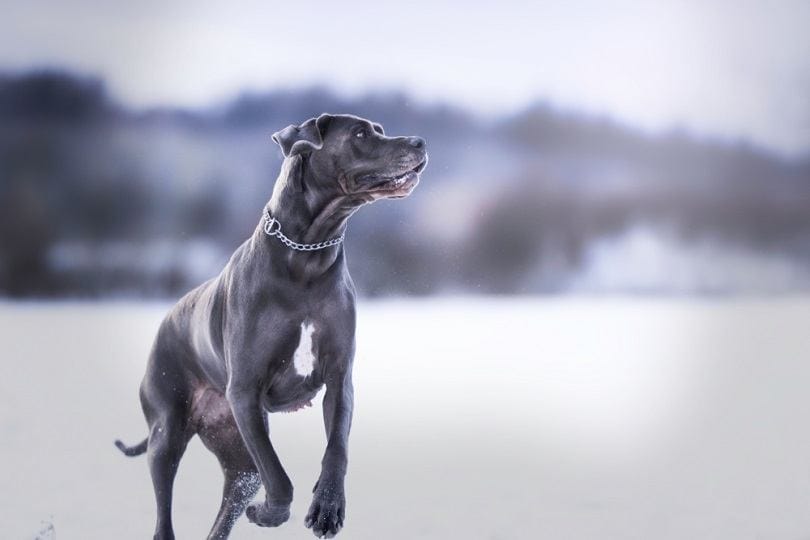
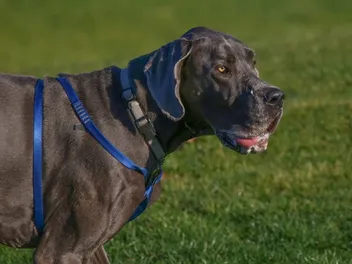
Great Danes are considered moderate shedders, mostly due to their large size. Although there are many reasons they shed so much, there are also several ways you can help manage their shedding indoors to limit the effects of their hair loss. If you have a Great Dane or are considering adopting one, keep reading to learn more about this majestic breed and its shedding.

Why Do Great Danes Shed?
Great Danes have a single coat, meaning they don’t have an undercoat that will “blow out” seasonally. Still, there are several reasons why they are considered moderate shedders.
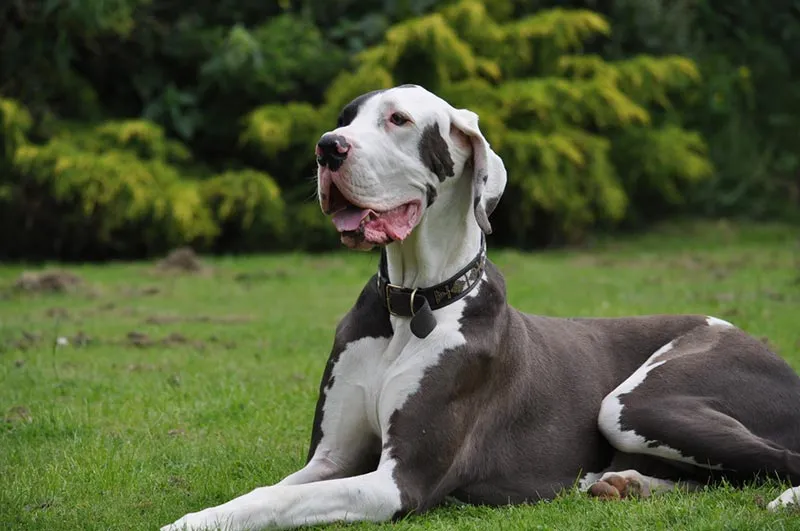
Shedding Cycle
Great Danes have a relatively short hair growth cycle. There are four stages of hair growth:
Dogs will grow and shed their fur similarly, but it will be shorter or longer depending on their breed. Poodles are known for having one of the most prolonged hair growth cycles (long anagen phase) and are preferred among dog allergy sufferers. On the other hand, Danes have a shorter hair growth cycle, with more continuous, low-level shedding throughout the year.
Their Size
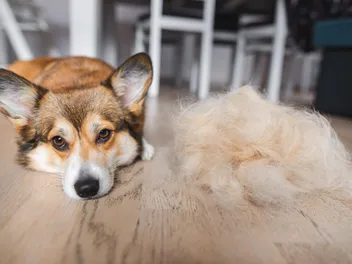
Great Danes are big! That means they have a lot of hair that must go through this growth and shedding cycle. Compared to many other dogs, you’ll notice much more shedding simply due to their size and the amount of hair they must shed to keep a clean and healthy coat year-round.
Seasonal Shedding
Like almost all dogs, Great Danes will typically show mild seasonal variation in shedding rather than a pronounced seasonal coat blow, as they do not have a dense undercoat. Even if you live in a warmer climate, this is a natural process triggered by longer, warmer days. You may want to plan ahead for seasonal shedding with extra brushing or a trip to the groomer.
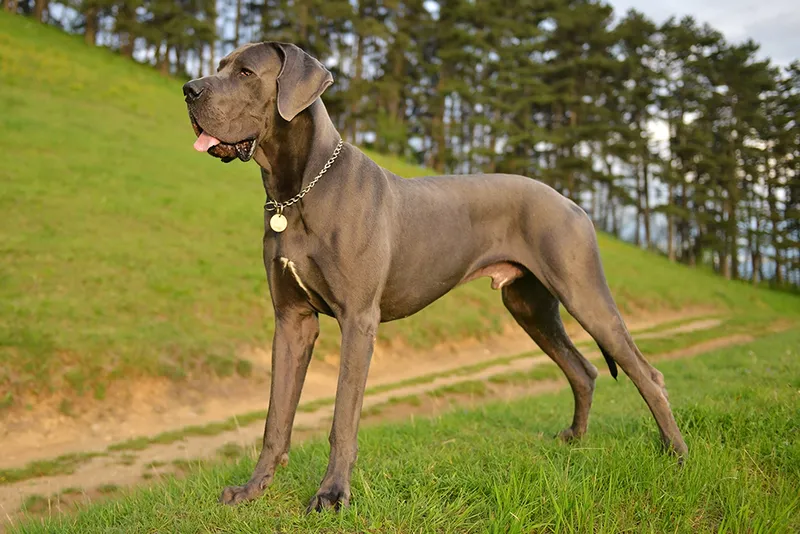
The 4 Ways to Reduce Shedding
If your Great Dane is shedding more than expected, there are some things you can do to help. While these tips won’t stop shedding completely, they could help manage the amount of shedding inside the home, so it’s easier to keep up with cleaning or even reduce allergy symptoms for those inside the house.
1. Regular Grooming
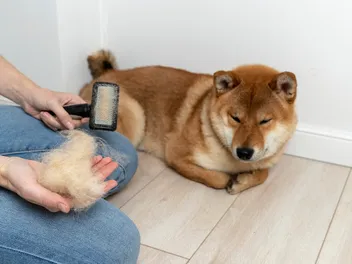
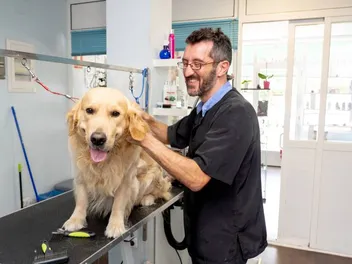
The most effective way to combat shedding is to groom your dog regularly. You’ll need the right tools, like several brushes and a de-shedding tool. Shampoo and skin treatments may also help with shedding, especially if your dog’s shedding is partially caused by skin allergies or other irritations. Setting up a regular grooming schedule allows your Great Dane to adjust to the routine, so it’s less stressful for both of you. If you don’t feel comfortable grooming your pup yourself, there may be a good groomer nearby who’s experienced and able to help.
2. Optimal Nutrition
Nutrition plays a significant role in how healthy your dog feels and looks. If their coat is looking dull or even blotchy in places, they may be shedding more than typical for them. Choosing a higher-quality dog food or one optimized for large breeds could help support skin and coat health, which may improve coat condition. If you ever have questions about your dog’s nutritional needs, you should consult a veterinarian.
3. Hydration
Staying hydrated is just as important as eating the right food. If your Dane isn’t drinking enough water, it could contribute to dry skin, which may be associated with increased shedding. Do you notice they have dandruff, or are they abnormally itchy? Try offering a larger water bowl or even an automatic water dispenser. If their water bowl is full but they aren’t drinking, they could prefer fresh water. A water fountain may help with this.
4. Supplements
Some supplements may help support skin and coat health, although you should only offer these after being approved by a vet. They typically include fatty acids, zinc, vitamins, and other nutrients that help their skin and coat look their best. These supplements may also help them feel better and improve their overall health. Your dog’s veterinarian or groomer may suggest a skin and coat supplement if they shed a lot, though underlying medical causes should be ruled out if shedding is excessive or abnormal.

Still Shedding Too Much?
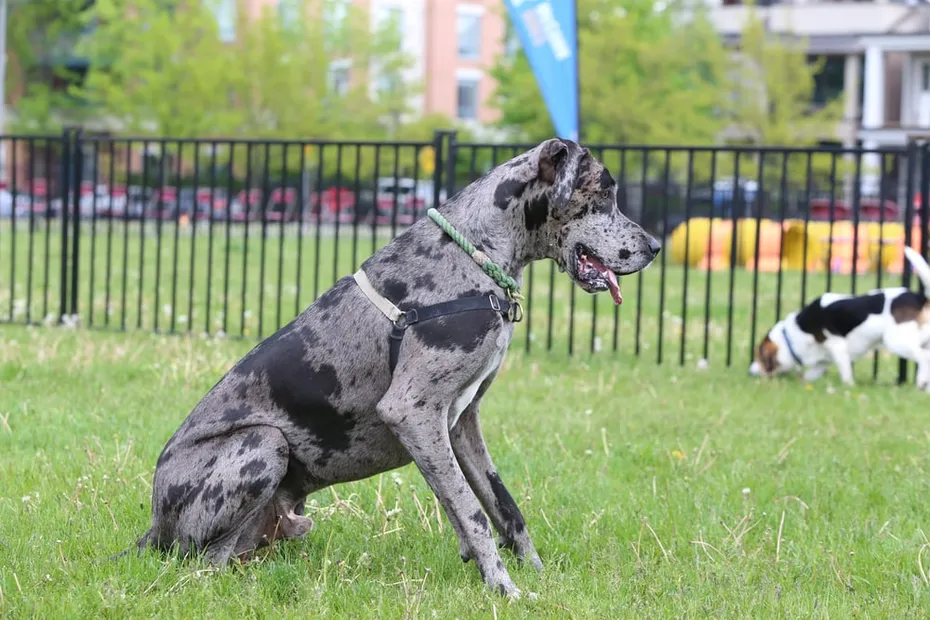
If your dog is still shedding more than expected for their normal pattern and nothing has helped, it could be due to a health condition. They should see their veterinarian to rule out any problems that should be treated. Skin allergies, food intolerances, and other common health problems are manageable, and you may see a big difference once they’ve been diagnosed and treated.
Conclusion
Great Danes are beautiful but also massive dogs, which means an increased amount of hair shed due to their size rather than an inherently higher shedding rate. Caring for the big dog’s coat isn’t difficult but requires consistent maintenance. Be sure to brush your pet regularly to help them out with this process, or schedule regular appointments with a professional groomer.
See also:
Featured Image Credit: Nikolas Otto, Shutterstock
Expert dog care, straight to your inbox
News, insights, expert advice, and everything dog.

No spam — unsubscribe anytime.
By signing up, you agree to our Terms & Conditions and Privacy & Cookies Policy.
How useful was this post?
Click a star to rate. You can leave written feedback afterwards. (We read all feedback.)
Krysha, a proud pet parent to a talkative Tortie rescue kitty, Shelly, has experienced the care of many animals, from cats and dogs to turtles and lizards to hamsters and fish. This has inspired her to spread awareness about local shelters and the small things that can be done to support them.