How Much Do Huskies Shed? Vet-Reviewed Breed Coats Characteristicss


In this article
We love our dogs, but that doesn’t mean that cleaning up after them isn’t a hassle. If you are looking for a low-shedding dog to minimize some of your regular clean-up duties, Huskies are not for you. These dogs are known to shed more than the average canine, so your house will have no shortage of dog fur.
If you want to learn more about the Husky’s coat, including why Huskies shed so much and how you can help to reduce it, this article will discuss that and more.

What Are Huskies’ Coats Like?
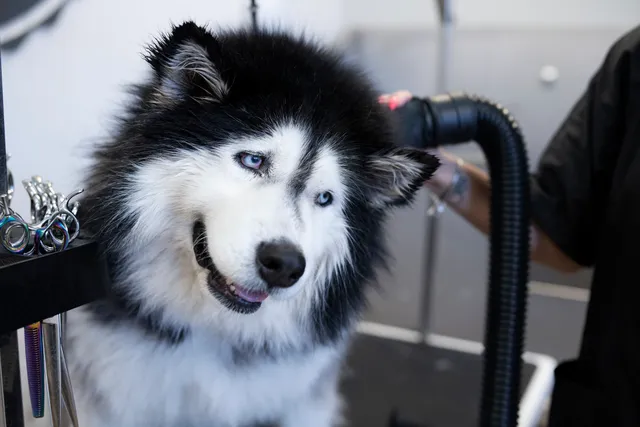
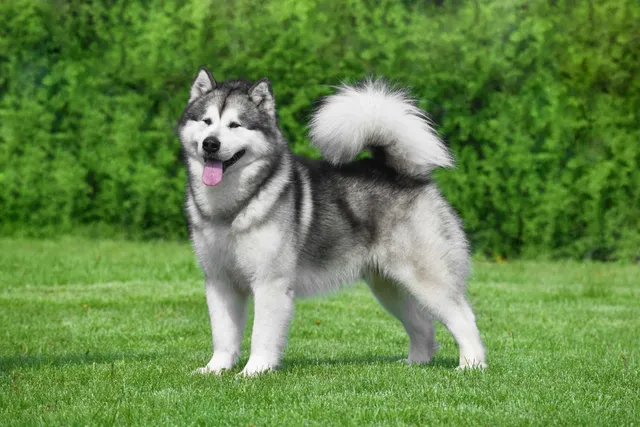
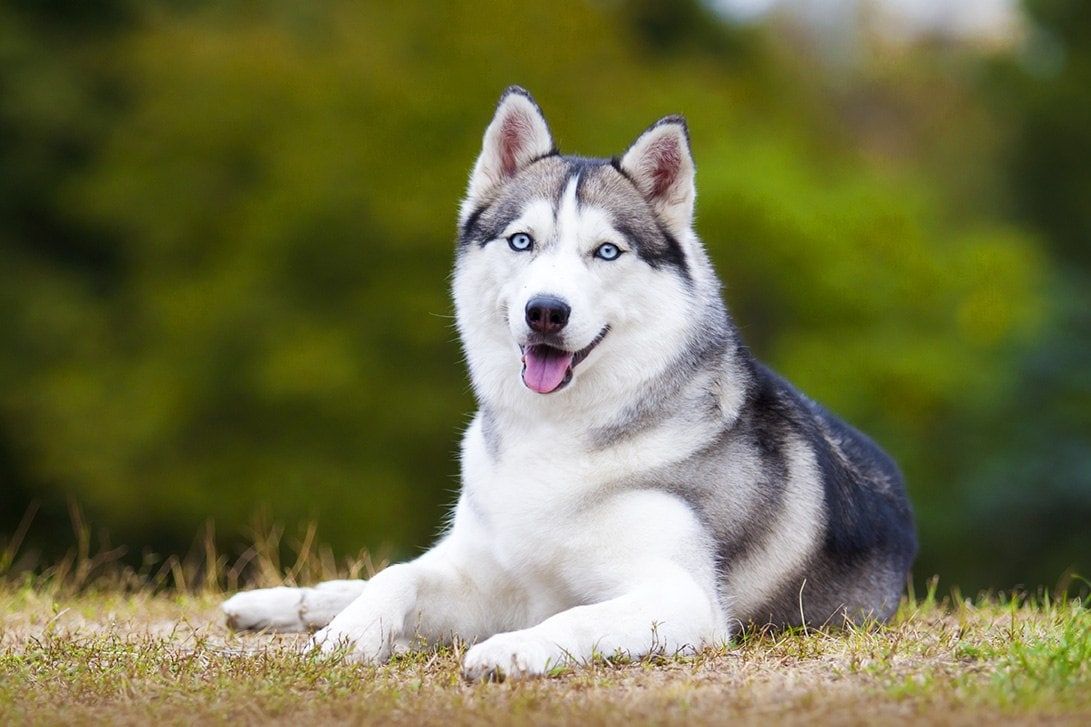
Huskies are thickly coated, fluffy dogs with medium-length double coats. Their coats are designed to keep them warm in cold temperatures, which makes sense since they were first bred in frigid locations. Their outer coat is straight and protective, while the undercoat is dense and insulating.
Although Huskies are relatively clean dogs and may groom themselves, they still require regular brushing, especially during seasonal shedding periods when they “blow” their coat and lose large amounts of undercoat.

Why Do Huskies Shed So Much?
Huskies shed throughout the year, but they shed much more often during the spring and fall. This is when they undergo their major coat blow, typically occurring about twice per year, although timing can vary depending on climate and living conditions.
Huskies shed more often during certain times of the year because they are blowing their undercoat, and you will notice your house collecting even more fur than usual.
However, if you think your Husky is shedding excessively (as in, more than even a high-shedding dog should), there could be underlying reasons.

Reasons that Your Husky May Shed More Excessively than Normal
Although Huskies are naturally high-shedding dogs, excessive shedding could occur due to a health problem. If your Husky is shedding at an abnormally high rate, look at some of the possibilities below.
Life Stage
Your Husky’s life stage can affect how much it sheds. Puppies are known to shed more when they transition from their puppy coats to adult ones. Senior dogs may also experience changes in coat quality or shedding patterns, though this varies depending on overall health and individual factors.
Dietary Issues
A dog’s diet can affect the health of its coat. If your dog is shedding excessively, it could be due to a lack of necessary nutrition.
Poor nutrition can lead to a dry, brittle coat and abundant shedding. If you have noticed a dullness or flatness in your Husky’s coat, there is a chance that their diet is not providing sufficient nourishment to their skin and coat. Talk to a vet about the food you are feeding your dog and see if any changes can be made to restore the health of your dog’s fur.
Pests
Fleas, ticks, and other pests may cause your Husky’s extra shedding. If you have noticed your dog itching more often than usual, inspect their skin and fur to see if any pests have made themselves at home in the coat.
Underlying Medical Condition
It is possible that your Husky’s excessive shedding is related to a medical complication. Hormonal imbalances, allergies, bacterial infections, and more can all lead to issues with your dog’s skin and coat. Watch for signs of a medical condition impacting the skin by noting signs such as scratching, licking excessively, hair loss, scabs or crusts, discharge or foul skin odor, or, in case of systemic illness, signs such as vomiting, lethargy, change in appetite, and heightened thirst and urination. If you notice any of those issues and suspect a medical concern may be the cause, reach out to a vet right away.
How to Manage Husky Shedding
No matter how healthy your Husky is, it will shed a lot. You will never be able to stop your dog from shedding, but you can learn to manage it.
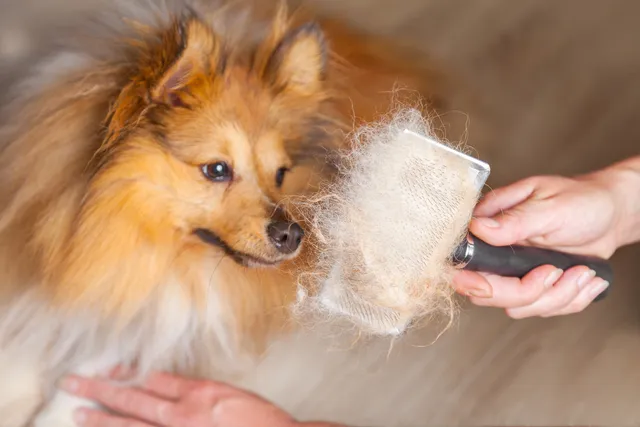
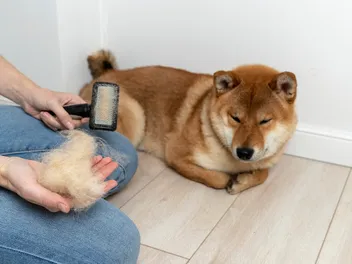
The best way to minimize the amount of fur strewn around your house is to brush your Husky regularly. Weekly brushings are ideal during normal seasons, but when your Husky is blowing its undercoat, you will want to brush it daily. In addition to a brush, use a de-shedding tool. They are especially helpful during high-shedding seasons, as they help remove dead fur trapped under your Husky’s thick coat. Bathing your dog may also help loosen dead fur, but it should not be done too frequently, as over-bathing can dry out the skin.
A balanced diet supports overall skin and coat health, and good hydration helps maintain healthy skin, but neither will significantly eliminate normal shedding in Huskies.


Minimizing Pet Fur in the Home
Even if you keep up with your Husky’s regular grooming, fur will still accumulate around your house. Thankfully, there are some tips you can follow to minimize the amount of hair lying around your home.
Use the Right Tools
Vacuum cleaners are essential for Husky owners, and the best models include extensions that can get into corners and tough-to-reach nooks. For furniture, you can lay sheets over the couches and armchairs to try and reduce the amount of fur stuck to the fabric. But if you don’t like that idea, try using lint rollers.
Replace Air Filters
Air filters are invaluable for anyone who suffers from dog allergies. Loose pet hair and dander can trigger a person’s dog allergies, so eliminating as much of it as possible is ideal. Frequent air filter changes will reduce the free-floating fur and dander in your house and make breathing easier.
Summary
Huskies are known to be high-shedding dogs, but that doesn’t mean you have to surrender your house to the loose clumps of dog fur. By managing your dog’s grooming and health, you can control the amount of dog hair in your home. Likewise, cleaning your home and replacing the air filters will keep your Husky’s shedding in check and maintain adequate home hygiene.
Featured Image Credit: Sbolotova, Shutterstock
Expert dog care, straight to your inbox
News, insights, expert advice, and everything dog.

No spam — unsubscribe anytime.
By signing up, you agree to our Terms & Conditions and Privacy & Cookies Policy.
How useful was this post?
Click a star to rate. You can leave written feedback afterwards. (We read all feedback.)
Pets are Jordyn’s passion, especially cats. Whenever she has the opportunity, she loves to learn about animals and share her knowledge with everyone. She is devoted to her mischievous tabby cat named Jack and works hard to buy him his favorite toys and treats. Discovering new ways to better care for her pet is always on the top of her to-do list, and she is eager to help pet parents everywhere who have similar pursuits. In her free time, she loves to write, read, and take long walks. She has a creative spirit, which often helps her to come up with funny cat names.