5 Common Misconceptions About Homeopathic Veterinary Care

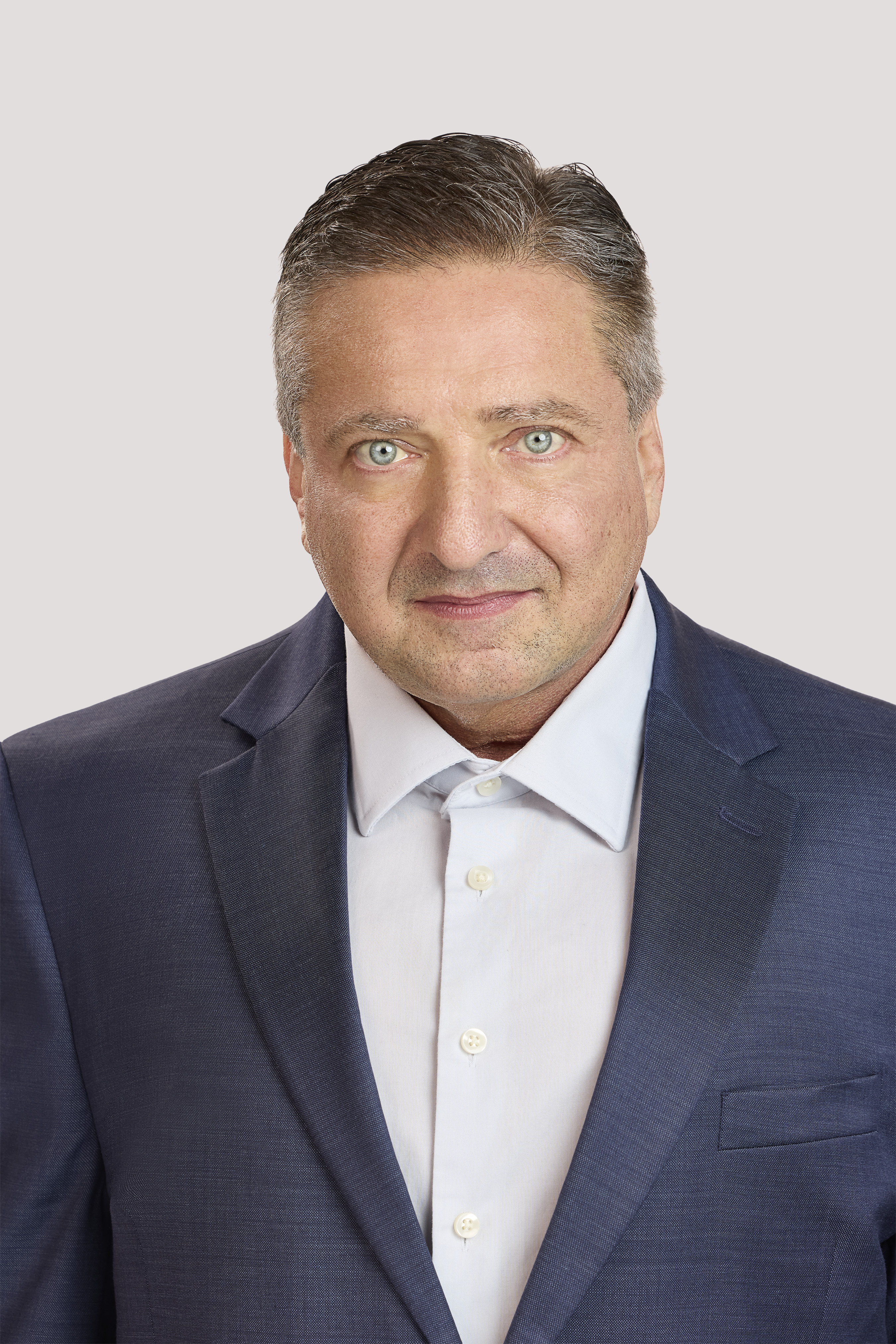
I am a Cornell-trained veterinarian who left traditional practice over 20 years ago to pursue homeopathic veterinary practice full-time. Homeopathy, a 200-year-old system of medicine, allows me to treat longstanding chronic diseases much more satisfactorily than I had ever been able to in the past. Instead of saying to myself, “Oh, no, not another (ear infection, bladder infection, thyroid imbalance),” I now can celebrate the uniqueness of each patient and know that this very uniqueness is what will lead me to the best treatment possible.
But the path from traditional practitioner to homeopath has not been easy. It is a difficult transition from the one-size-fits-all medicines of antibiotics, steroids, and immune-modulating drugs to an understanding that certain characteristic symptoms point the way to treatment unique to each patient. Cure is not simply the disappearance of symptoms, but rather an organic process involving often at first a brief intensification of symptoms, then discharges, and then the return of old symptoms from years ago. Cure takes time, as does learning a new way to help our beloved animals.

I recently published The Practical Handbook of Veterinary Homeopathy: Healing Our Companion Animals From the Inside Out to help animal lovers like myself make fundamental changes in our understanding of health and disease. I want change. Modern treatment suppresses symptoms, driving the disease deeper into the patient and accelerating the pace of their illness. My book explores the possibility of seeing symptoms in another way, as guideposts to match unique treatment to patient, and as signals of how the body is responding on its way toward a cure.

Symptoms are a direct communication from the vital force, or the healing energy of the body, to veterinarians and caregivers. The more we can learn this language, the more animals we can help. It will take a village: sick patients who need us, passionate caregivers who love them, enlightened universities teaching true healing, trained homeopaths who know how to help, and homeopathic veterinary hospitals that strive to cure instead of suppress.
Here are a few misconceptions about veterinary homeopathy from the book:
1. Homeopathy is “complementary.” You use homeopathic veterinary care to treat minor indispositions while using regular drugs for the main illness.
Homeopathic veterinary care has the capability to cure cancer and other serious diseases. While not every patient can be cured, the goal is to enable the body to heal itself. This healing is only possible if all other influences are removed, such as non-curative antibiotics, steroids, hormones, and immune suppressant medications. The body reacts as a whole to any medicine, so when two or more medicines are given, they interfere with one another and the response is blunted.
2. You can treat your own animal yourself with homeopathic medicines. All you do is find the symptom in a book, then pick the remedy that seems to fit best.
While this is technically true when you are speaking of a single symptom (read: suppression), treating the entire patient is much more difficult. The successful practice of homeopathic veterinary medicine takes years to master. Correctly prescribed homeopathic medicines reach deeply into the patient and in the course of healing often bring back old symptoms that were never fully healed.
As a veterinarian with over 20 years of experience using only homeopathy in my practice, it still takes me a few hours to determine the best remedy for a new patient. Understanding the process of case evaluation, symptom evaluation, remedy selection, and follow-up are critical to using homeopathic medicines to help our animal friends become as healthy as possible.
3. If homeopathy does work, it works because of the placebo effect.
Even when I get an enthusiastically positive evaluation from a client, I still take the time to go over every symptom to see what has changed and what has not. The body responds in only three ways to a remedy: palliation, suppression, and cure. Palliation is a common response to modern drugs: The symptoms ease up, then recur, at which point more medicine is needed. Suppression is when the symptoms go away rapidly and permanently, but the patient does not feel better. Eventually a more serious symptom emerges, such as an upper respiratory infection becoming pneumonia or lung cancer. Cure is the goal of homeopathic medicine. Match the symptoms to the right remedy, and the body is engaged in the process of cure. Old symptoms return and then abate, appetite returns, fears resolve, a brightness comes back to the eyes, and that old toy is brought out again for playing! Changes this deep are not caused by the patient or client “believing” in the therapy.
4. Homeopathic medicines are non-toxic herbs, very gentle and mild.
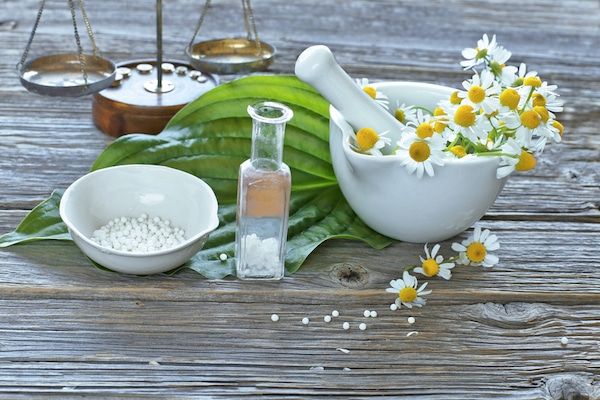
Many homeopathic medicines are derived from plants such as marigold, chamomile, and club moss, but toxic plants and minerals such as foxglove and arsenic are also used to make homeopathic remedies. The source material is quite dilute once prepared into a remedy, thus avoiding toxic side effects. However, when used by an experienced practitioner, homeopathic remedies are powerful enough to ease and often reverse chronic longstanding health problems.
5. It's a new-age thing. Medicines are determined through meditation or intuition.
The matching of remedy to disease state in this 200-year-old system of medicine is a laborious and painstaking process. In my practice, I may spend hours interviewing the client, studying past health records of the patient, and analyzing symptoms before determining the best treatment. It's a thorough process involving the development of a timeline, a symptom list going back to puppy- or kitten-hood, and the careful matching of these symptoms to the remedy. As a final step, I consult reference texts listing the symptoms covered by each remedy, to precisely match the treatment to the patient. Life in a traditional practice was much easier! The Practical Handbook of Veterinary Homeopathy: Healing Our Companion Animals From the Inside Out is my guide to help you make your own transition, increase the effectiveness of your partnership with your homeopath, and help your animal enjoy the best that life has to offer. Get this book if you are interested in learning a different way. Buy copies for your veterinarian, for your friends. Spread the word! This is a whole new way of understanding health and disease. You can purchase the book from the publisher or from Amazon.
Featured Image Credit: Shutterstock
Expert dog care, straight to your inbox
Vet-reviewed advice, training tips, and the best of Dogster. Free, and you can unsubscribe anytime.
By signing up, you agree to our Terms & Conditions and Privacy & Cookies Policy.
Nicole has loved animals of all sizes her whole life so it's no wonder she has dedicated her career to helping them through what she loves best: learning, writing, and sharing knowledge with others. She’s the proud mom of two dogs, a cat, and a human. With a degree in Education and 15+ years of writing experience, Nicole wants to help pet parents and pets around the planet to live happy, safe, and healthy lives.
Join the conversation
Ask a question, share your story, or send private feedback.