At What Age Is a Dog a Teenager? Vet-Verified Facts & Explanation



In this article
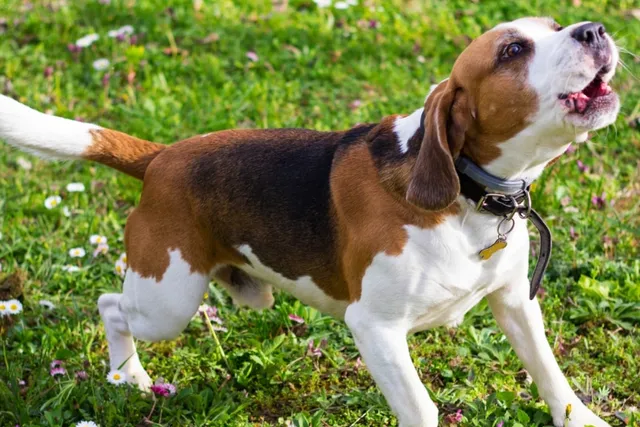
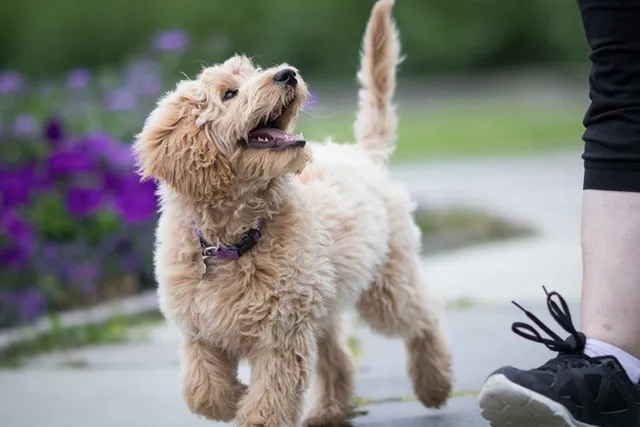
You may have heard that dogs age differently from humans, which is true, but what age does that put their rebellious teenage years? Starting from 6 to 12 months and ending around 18 to 24 months, your dog can be considered an adolescent, or the canine equivalent of being a young teen.
Adolescent dogs can display a lot of the same behavior as teenage humans—emotional outbursts, pushing boundaries, and the early stages of sexual maturity all coincide around the same time thanks to sudden influxes of hormones. Put simply, they are growing up! And just like teenagers, we need to have some understanding of the inner hormonal turmoil your dog is going through when they act out.
Dog development is a fascinating subject for any pet owner, and it is invaluable for letting you know what to expect as your dog grows from a teensy pup to a full-blown adult. Whether you’re interested in how dogs age or just need ways to manage your rowdy adolescent dog, we’ve got you covered. Scroll down as we dig into both of those subjects in more detail.

What Behavioral Changes Should I Expect During Dog Adolescence?
Like human teenagers, adolescent dogs are going through a lot of confusing and overwhelming physical, mental, and emotional changes. They’re more aware of the world and willing to interact, but that comes with some downsides that appear, like bad behavior when your dog can’t always control their first impulse.
Let’s check out some of the biggest behavioral changes you’ll see in your dog as they approach adolescence.
Dog Behavioral Changes During Adolescence:
- Uncharacteristic defiance: Even well-trained dogs can seem to forget their training and disobey your commands when they hit adolescence. This is normal, and consistent training becomes more important than ever.
- Destructive impulses: Adolescent dogs need mental stimulation to stave off boredom, or else they’ll resort to natural pastimes like chewing and digging.
- More energy: Teenage dogs are more physically active and capable of athletic feats than ever, and they’ll need plenty of physical & mental exercise to get out that energy.
- Reactivity: Even laid-back dogs may see an increase in barking or territorial behavior during adolescence. Use desensitization techniques to temper this. Keep outings calm and pleasant.

Fear Periods
Dogs go through fear periods in adolescence and this is a normal part of their development. Fear periods begin suddenly and dogs in a fear period are just, well, fearful of things they wouldn't normally be scared of. They are nothing to worry about; show your dog some gentle love and care and they will get through.
If your dog is going through a fear period try to keep experiences positive as much as possible.
What Are the Life Stages of a Dog?
Dogs have familiar life stages during their shorter lifespans, each with their own unique physical, mental, and emotional changes that slice up a dog’s life. From a new puppy to a graying senior, let’s dig into a bit more about each life stage your dog goes through.
Dog Life Stages:
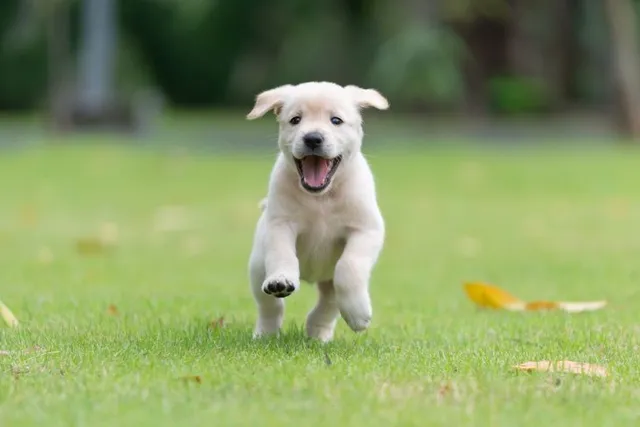
- Puppyhood: From birth leading up to 6 months, your dog is a puppy, initially 100% dependent on their mother for survival with gradual physical and cognitive development milestones week by week.
- Adolescence: Anywhere from 6 to 24 months, your puppy is growing up and learning how to be a fully functional and independent dog, grappling with impulse control, sexual urges, and their newfound ability to do stuff.
- Adulthood: At around 18 months or so, your dog is fully grown and considered a mature dog. By now, they’ve outgrown most of their defiant teenage habits and they’re as big as they’ll ever get.
- Senior: Around 7 to 8 your dog qualifies as a senior dog, which may require some diet and exercise accommodations, depending on their breed and health.

How to Manage a Rowdy Adolescent Dog
Puppy blues has nothing on teenage dog blues! If you’re at your wit’s end dealing with your dog’s new teenage attitude, don’t give up! Most dogs have the same troublesome phase, and it can seem like all your training’s gone out of the window.
On the contrary, sticking to a routine and training will be your life raft in this adolescent storm.
Tips for Managing Your Rebellious Teenage Dog:
- Crate Training: If you haven’t already, we highly recommend crate training for adolescent dogs. It helps to enforce naps and give them a cozy safe space to call their own, ultimately making for a calmer dog.
- Obedience Training: Training a teenage dog seems hopeless, but trust us, it’s not. Stick with positive reinforcement and a regular schedule to support your pup while they’re growing up.
- Socialization: While the most critical window is past, continuing to socialize your dog with supervision helps them continue to learn and practice appropriate behavior around other dogs. Socialization is a skill that needs to be reinforced throughout a dog’s life and not just for a few weeks as a puppy.
- Exercise: Depending on their breed, most adolescent dogs need at least an hour or so of physical exercise. Supplement them with puzzle toys indoors during their downtime for mental enrichment and to discourage destructive behaviors.
Summary
Dogs are teenagers starting at around 6 to 12 months old and ending around 18 to 24 months.. They can be a handful to deal with between the chewing and defiance, but maintaining a rock-solid routine and providing plenty of physical and mental exercise are the best ways to deal with the chaos.
This is a normal part of growing up and will come to a natural end as they mature into adults.
Sources
Featured Image Credit: Nikaletto, Shutterstock
Expert dog care, straight to your inbox
News, insights, expert advice, and everything dog.

No spam — unsubscribe anytime.
By signing up, you agree to our Terms & Conditions and Privacy & Cookies Policy.
How useful was this post?
Click a star to rate. You can leave written feedback afterwards. (We read all feedback.)
Codee Chessher is a freelance writer whose motto is: there is nothing a well-worded sentence can't accomplish! He loves to write about pets, travel, DIY, and more. Codee's experience is varied, but the written word has always been his strongest and biggest passion.