Adopting an Older Puppy: 9 Vet-Verified Pros & Cons


In this article
So, you’ve decided to add a puppy to your family? How exciting! Puppies are so adorable and rewarding, but they’re also extremely challenging. The demands of puppy ownership may not suit every dog owner, so you may want to consider adopting an older puppy instead.
There are many benefits to adopting a 1-year-old dog (an older puppy) rather than a puppy that is a few months old, though there are cons you should be aware of too. Read on to learn whether adopting an older puppy is a better fit for your lifestyle.

The 6 Pros of Adopting an Older Puppy
There are many benefits of adopting a 1-year-old puppy over a younger pup. Let’s take a look at the most significant pros to consider.
1. They’re Probably Housebroken
Depending on their owners, puppies are typically house-trained by the time they’re between 4 and 6 months old, though some may take up to a year to be completely housebroken. Adopting an older puppy means that the previous owners probably already went through all the hard work of getting them trained to go outside, meaning fewer messes and frustration for you, the new owner.

2. They’re Ready for More Hands-On Play
Puppy owners need to take care when exercising and playing with their pups to ensure they’re not putting unnecessary stress on their growing bones and joints. By the time they are around 12 months, though, most puppies' growth plates will be closed.1 That said, large breeds can take 18 months or longer to reach their full size, so it is sitll best to wait a bit longer before beginning more strenuous play sessions.
3. They’re Less Exhausting
Adopting a puppy is like dealing with a newborn baby. It can be extremely exhausting and challenging, as puppies require a lot of attention and emotional hard work. This can put a strain on new and experienced owners alike. Older puppies will still need attention and require work, but they’re generally easier to care for than their young puppy counterparts.

4. They May Already Be Trained
A 1-year-old puppy may have basic manners under their belt and is less likely to have the chaotic puppy energy that results in chewed-up socks, accidents on the floor, and all the joys associated with teething.
The caveat here is that not all 1-year-old dogs waiting for their forever homes in a shelter will come trained at all. The staff at the shelter can provide valuable insight into what kind of training, if any, the dog you’re considering adopting has had.
5. They’re Less Likely to Be Adopted
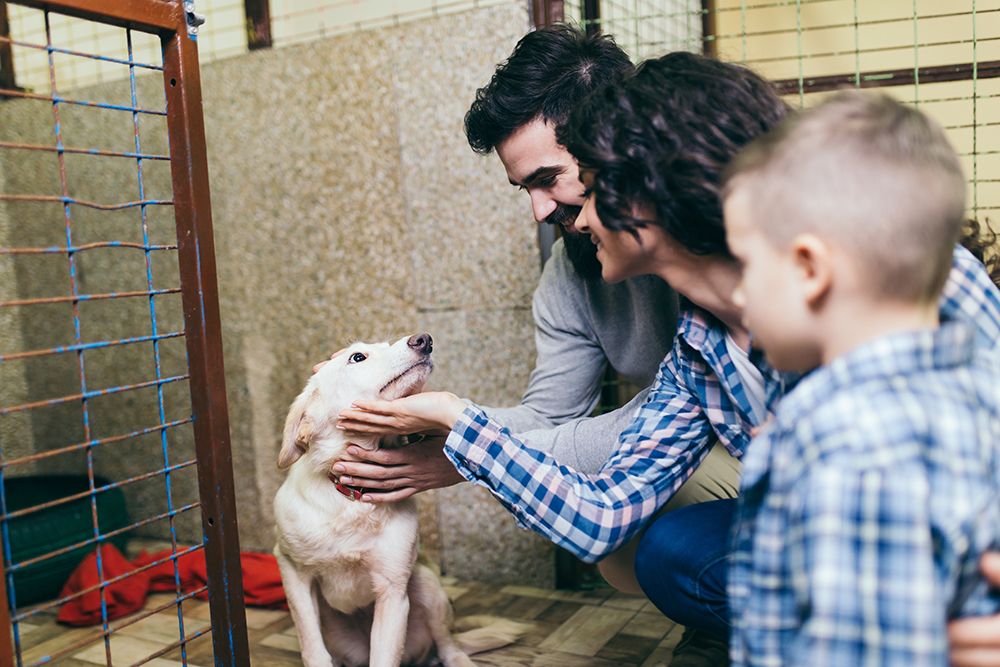
Potential dog owners often look for young puppies when they decide they want to add a new family member to their family, leaving the older dogs less likely to be adopted. Even pups as young as 1 year old can sit for long periods in shelters before they’re adopted.

6. They’re Usually Cheaper
The first year of puppyhood can cost pet owners hundreds to thousands of dollars in veterinary care for wellness exams, vaccinations, and the spay or neuter procedure. While you’ll still need to take your 1-year-old pup for check-ups and booster shots, they’ll usually only need to go every 6 to 12 months and not every few weeks like young puppies.
The 3 Cons of Adopting an Older Puppy
Of course, it’s not all sunshine and rainbows when you adopt an older puppy. Let’s take a look at the cons of adopting a pup in this age range.
1. They Can Act Like Human Teenagers
A dog’s adolescent years, between the ages of 1 and 3, can be a frustrating time for owners. They like to test and push all the boundaries and try to get away with naughty behaviors, just like adolescent humans.

2. They May Need Behavior Correction
The most common age for dogs to be surrendered to rescue shelters for rehoming is when they’re between 6 and 18 months old, often due to the aforementioned teenage years. Adolescent pups can be extremely challenging to deal with, especially if they didn’t begin training or socialization on a proper schedule. You may need to address unwanted behaviors like counter-surfing, nipping, or inappropriate marking with training and patience, particularly if the previous owners let this type of behavior slide on their watch.

3. There Might Be Missed Opportunities for Bonding
One of the biggest drawbacks of adopting an older puppy is the missed opportunities for bonding that occur when they’re puppies. Adopting a young puppy gives owners a chance to bond with them as they train and helps influence them into becoming a well-behaved and well-rounded adult dog. However, it’s important to remember that a 1-year-old dog is still very young, and there are plenty of opportunities to bond and train dogs at this age.
Final Thoughts
Overall, the "pros" of adopting an older puppy usually outweigh the cons. Adopting an older puppy gives a home to a dog that may wait for weeks or months for their forever home in a shelter. They’ll typically have some training under their belts, and most should be out of the chaotic "puppy" stage by the time they’re a year old. It is important to note, however, that older pups may have bad behaviors that require much effort to out-train. Additionally, adolescent pups can be challenging to deal with. Still, you’ll encounter this stage regardless of whether you’re adopting a young puppy or an older one, so don’t let the challenges of parenting a teenage pup hold you back. One-year-old puppies are still very young, all things considered, so don’t be so quick to pass over them as you begin your hunt for the perfect dog to add to your family.
Sources
Featured Image Credit: hedgehog94, Shutterstock
Expert dog care, straight to your inbox
Vet-reviewed advice, training tips, and the best of Dogster. Free, and you can unsubscribe anytime.
By signing up, you agree to our Terms & Conditions and Privacy & Cookies Policy.
Chantelle is passionate about two things in her life – writing and animals. She grew up on the prairies of Canada surrounded by animals and as an adult, she choose to share her home with five cats, two guinea pigs, and a bearded dragon. Chantelle, her husband, and their child take great pride in being great animal parents- the ones who spend a thousand dollars on wall-mounted cat shelves so that their cats can have an indoor jungle gym all year round. When Chantelle isn’t snuggling her cats on the couch or taking pictures of them being funny, she’s outside exploring in the Rocky Mountains, binging the same shows on Netflix over and over, and reading about whatever random topic pops into her brain.
Join the conversation
Ask a question, share your story, or send private feedback.