Everything You Want to Know About Bed Bug Detection Dogs


Bed bugs were eradicated in the United States in the 1950s through the late 1990s.¹ Unfortunately, a new strain of bed bugs came about that was immune to DDT, the chemical used to eradicate them.2 The result was a new infestation of bed bugs, along with bug exterminators scratching their heads to derive a new way to detect and kill these annoying bugs without harming the environment.3
Then, canines came into the picture. Dogs have an extraordinary sense of smell, so why not train dogs to sniff out bed bugs? In 2011, dogs were becoming trained and certified to detect bed bugs with impressive accuracy. In this article, we’ll examine this bed bug detection method and explain how it works.

How Does It Work?
To explain how this method works, we must describe what bed bugs are. Bed bugs are tiny, oval-shaped little bugs with a reddish-brown color. They have flat bodies and feed off the blood of humans or animals. Though they cannot fly, they can quickly move over walls, ceilings, and floors. Infestation happens quickly, and females can lay up to 100 eggs over a lifetime.
One fact that makes bed bugs such a nuisance and hard to eliminate is that their eggs are only the size of a speck of dust. They can invade your home by hiding in luggage, clothing, used beds, or other items brought in.
They typically prefer mattresses because they can hide undetected and feed off humans while they sleep. Dogs play a role in detection by having extensive training to sniff out the bed bugs so that the area can be treated to kill them.
In 2008, researchers from the University of Florida studied the effectiveness of using dogs for bed bug detection.5 They concluded the dogs used their sense of smell to differentiate the scent of bed bugs from German cockroaches, subterranean termites, and carpenter ants.
Bed bugs give off unique pheromones that dogs can detect with a 97.5% accuracy rate. They also discovered that dogs could detect live or dead bed bugs, exoskeletons, and eggs with a 95% success rate, alerting their trainers by scratching at the surface.

How Do I Prepare for a Bed Bug Dog Inspection?
To receive an accurate inspection, you must prepare your home.
They are as follows:
What Should I Expect During the Inspection?
Pest control companies use different methods to do the inspections, but they are similar. The handler/trainer and dog work their way through the home, taking notes of where the dog scratches or is drawn to. The handler/trainer inspects areas the dog points out, and the clients are then given a plan of action for treatment.
What Are the Different Types of Dogs Used for Bed Bug Detection?
All dogs used for bed bug detection must be certified beforehand. As we’ve mentioned, dogs have an extraordinary sense of smell, but some dogs’ sense of smell is better than others, resulting in some breeds being better suited to the task.
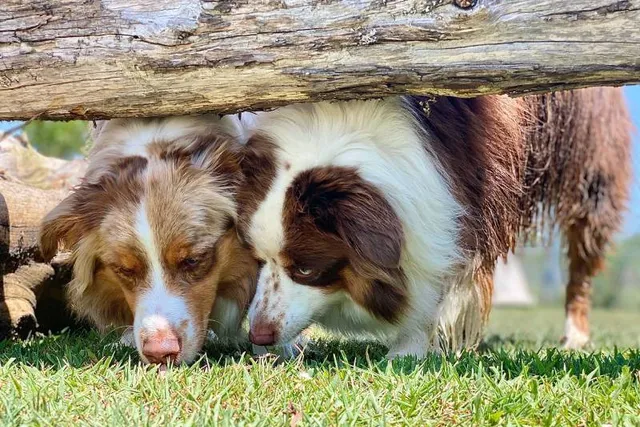
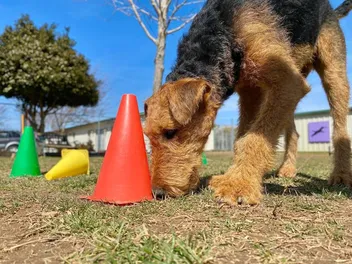
Usually, the breed types used are hunting dogs, such as Beagles, Terriers, and Border Collies. They are also small, allowing for easier access in small crevices for inspection. Beagles are scent hounds often used due to their incredible sense of smell and small size.
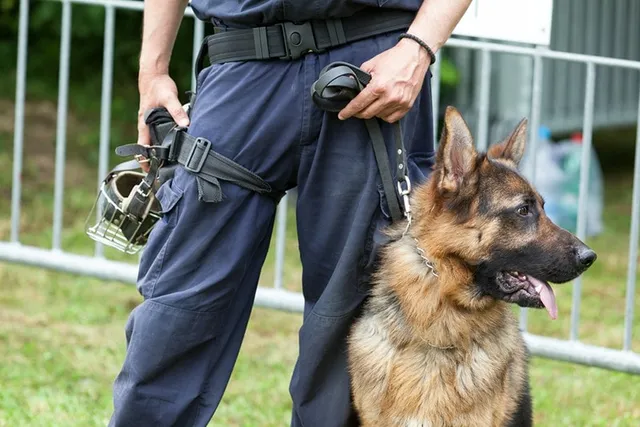
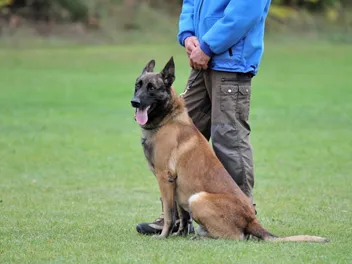
Other dogs used are German Shepherds, Labrador Retrievers, Belgian Shepherds, and Basset Hounds. While all dogs have a strong sense of smell, these breeds are excellent at bed bug detection. Generally, though, the smaller the dog, the better, making the Beagle or Basset Hound ideal. However, whatever pest control company you choose, rest assured the breed they use will be certified and well-adapted to sniff out bed bugs.

Can Dogs Miss the Detection of Bed Bugs?
Unfortunately, using dogs for bed bug detection is not 100% accurate. However, the 97.5% success rate is worth the try.
It’s important to note that preparing your home for a bed bug inspection by a certified canine is crucial to a successful outcome. A dog can be deterred or distracted by strong odors or other distractions, such as an AC unit running, fans running, certain chemical odors, cigarette smoke, or food.
If you follow the steps mentioned earlier in this article, your chances of having a successful canine bed bug inspection and detection are much higher.
Advantages of Bed Bug Detection Dogs
There are many advantages to using dogs for bed bug detection. Dogs can detect bed bugs early on to prevent a full-on infestation.
Dogs can also detect bed bugs in numerous locations, making eradication much greater. Another advantage of using dogs for bed bug detection is it’s a non-invasive way to find them. You don’t have to dismantle furniture or destroy mattresses to have a successful detection.
Disadvantages of Bed Bug Detection Dogs
The disadvantage of using dogs for bed bug detection is a false positive or missing them altogether. False positives can occur if the home or dwelling had an infestation previously at some point, making the dog sniff out old smells. Another deterrent could be if the bed bug eggs are in plastic; the dog may miss them. The service can also be costly.
Frequently Asked Questions
How Much Does Canine Bed Bug Detection Cost?
The average cost for bed bug detection using canines can range anywhere from $325–$1,000, depending on your location. You need to weigh the pros and cons, given that dogs may be able to detect them before a full-blown infestation occurs, which could save you money in the long run.
Can My Pet Carry Bed Bugs?
Bed bugs do not live on pets or people; they simply live in the environment and feed on them. After bed bugs feed, they retreat to their hiding spots, unlike fleas or ticks, which remain on the pet.
Do Bed Bugs Carry Diseases?
As gross and annoying as these pests can be, thankfully, they do not carry diseases that can be transmitted to their food source (you or your pet). Bed bug bites can cause itchiness, and with excessive scratching, an infection could occur.
How Long Does Bed Bug Treatment Take?
Once a certified bed bud-detecting dog has detected them, treatment follows with an insecticide. It typically takes anywhere from 30 minutes to 2 hours, depending on the size of the room. It can also take two or three treatments to kill all of the bed bugs.
Conclusion
Dogs are amazing creatures with a keen sense of smell. Thankfully, their extraordinary sense of smell can be used to detect bed bugs. While it’s not 100% foolproof, it’s a non-invasive way to determine if you have them. A dog bed bug service may also prevent a full-blown infestation, which can be extremely costly.
Bed bugs can invade any home, no matter the cleanliness or dirtiness of the environment, and if you suspect you have them, it is vital to call a pest control company as soon as possible.
Featured Image Credit: Ozzy, Toby, and Becca The Bed Bug Scent Detection Beagles (MarceloGallo, via Wikimedia Commons CC BY-SA 3.0)
Expert dog care, straight to your inbox
News, insights, expert advice, and everything dog.

No spam — unsubscribe anytime.
By signing up, you agree to our Terms & Conditions and Privacy & Cookies Policy.
How useful was this post?
Click a star to rate. You can leave written feedback afterwards. (We read all feedback.)
Rachel Giordano is a writer and musician living in Pensacola, Florida, with her partner and their two dogs, Aero, a Border Collie/Sheltie mix and Sophie, a Boston Terrier. Rachel holds a Bachelor of Arts degree in communication and loves writing about animals of all types. When she’s not writing about pets, she loves to write suspense/thriller novels. A musician by night and writer by day, she enjoys educating the public about the needs and requirements of animals, big and small.