How to Train a Dog to Track: 7 Vet Approved Scent Work Tips & Tricks


In this article
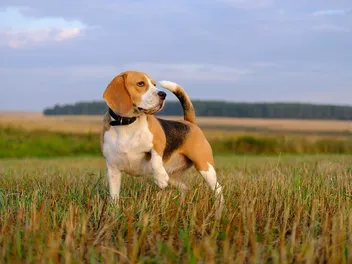
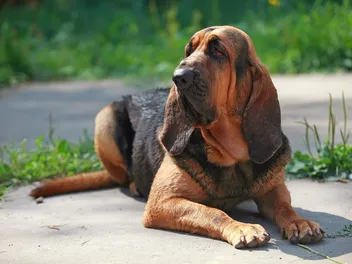
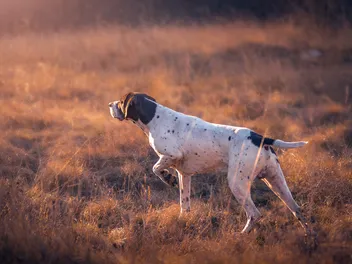
Tracking can be a useful skill for your dog to learn since it can be used for a variety of things, like search and rescue, hunting, and tracking missing persons or lost animals. What some people may not realize, though, is that tracking is also a great enrichment activity for your dog. This is especially true if your dog is a breed that was originally bred for scent tracking, like Beagles and Bloodhounds.
These exercises are designed to introduce beginner scent work and tracking concepts that you can build on as your dog gains experience.

How to Prepare
Before you start trying to get your dog to track, you’ll need to have a few tools on hand. The first thing you’ll need is a treat that is high-value for your dog. High-value rewards are a great way to encourage your dog to continue with a specific behavior they’re learning. This can be any dog-safe treat that your dog loves, although it does need to be able to be broken into small pieces for training purposes.
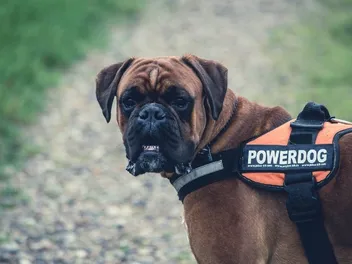
A harness is a good investment for scent work, as well as a long-line leash. While these items aren’t necessary, they are beneficial because they will give your dog more freedom of movement and can reduce pressure on the neck compared with a collar and short leash. Many trainers also use a specific harness only for tracking sessions so the dog learns that wearing the harness means it’s time to follow a scent trail.
You should also make sure you’re wearing good shoes that will allow you to keep up with your dog. If you’re lagging too much and pulling your dog back from tracking, it may be more difficult to train them properly.
The 7 Tips to Train Your Dog to Track by Scent
1. Burn Off Energy
A dog that is antsy and full of energy may be difficult to start training. Ideally, you should help your dog burn off excess energy prior to training, whether that means going for a walk, a run, or playing a game. If your dog will play fetch, this can often be a good way to warm them up to the idea of looking for something that is away from where you are.
Make sure not to overwork your dog, though. A dog that is too tired will be difficult to train and less likely to pay attention. You want to do enough activity to take the edge off if your dog has explosive energy built up.

2. Teach a Command
Your dog will need a command that tells them it’s time to track. You can pick any word or phrase that you want, but people often use cues like “find it” or “search.” Choose something that you will remain consistent with. If you start training on one cue and then switch to another, your dog will need to relearn the association with the new cue.
Start teaching your dog your chosen command by placing an item within their field of vision and giving the command. As your dog “finds” the item, continue to move it to more difficult-to-notice places. Keep in mind that it may take time and practice to fully train this type of command.
3. Select the Right Area
Once your dog has a solid grasp of their tracking command, you’re ready to try to start tracking. You need to select the right place to practice while your dog is still new to tracking.
Find a location that is quiet and free of lots of distractions, like unusual smells, sounds, and other animals. This can be a park, a yard, or even inside of your home. Most people prefer to take their dog to a park since this provides ample space for tracking.

4. Start Early
Once you’ve chosen the location for tracking, plan to start early in the day. This will allow you to start training before lots of people and animals traipse through the area. The later in the day it is, the more likely the area is to be full of interesting smells.
Starting early in the day also means there will be less environmental noise and activity. If it’s early enough, then you’ll likely get to the park before children on the playground, dogs at the dog park, and other loud and interesting distractions. The more distractions there are, the more difficult it will be for your dog to focus.
5. Create a Trail
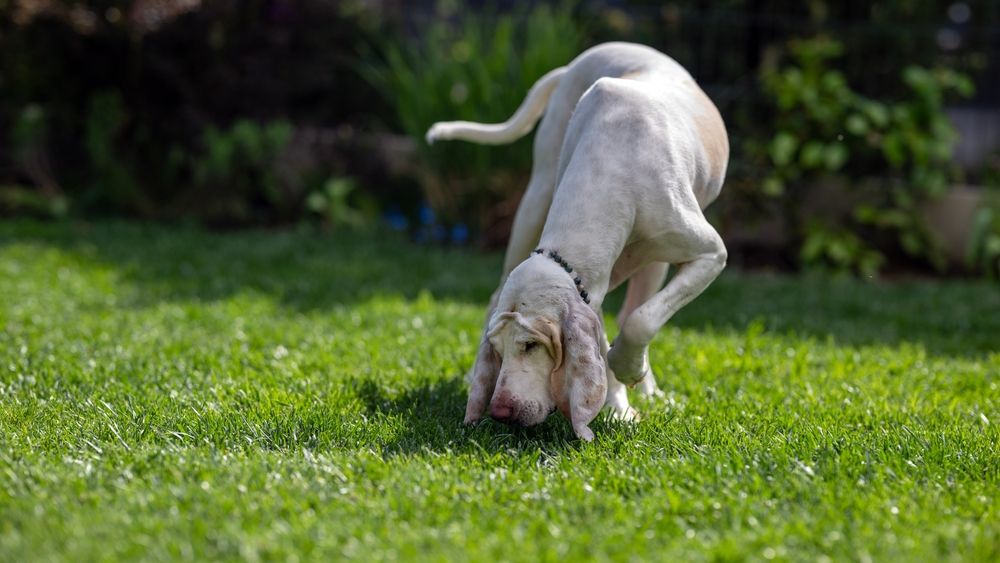
Start your dog’s tracking journey by creating a scent trail for them to track. The best way to do this is to step on a piece of hot dog or other high-value treat to transfer scent onto your shoe. Make sure to get the scent on your shoe thoroughly, and then walk a short distance, leaving a piece of the reward at the end of the trail. Give your dog their command to track and let them follow the trail.
Keep in mind that the more you do this, the more you will be creating the same interesting smell in the same area. This means that you’ll need to limit training sessions to around 15 minutes each, and definitely no more than 30 minutes. Otherwise, you will create multiple overlapping trails for your dog that will be confusing and difficult to track.

6. Increase the Trail Length
Once your dog is showing confidence in tracking across shorter distances, start making the trails longer. This will increase the challenge for your dog and also teach them that the intention with tracking is to follow the trail, regardless of the length. If you only train your dog on a short trail, then they may be confused by longer trails.
As your dog improves, begin adding gentle turns to the trail so they learn to follow changes in direction.
More advanced training may also involve allowing the track to “age” for several minutes before your dog follows it, which increases the challenge.
7. Practice
Keep practicing your dog’s new skills. Plan at least a couple of training sessions per week, taking care not to leave too much time between sessions. If you’re only doing training sessions once a week or less frequently, then progress may be slower, and your dog may require more repetition to retain the skills you’ve worked on.
Be patient as you work with your dog on their tracking skills. It can be difficult for some dogs to learn to track, while others are more strongly predisposed to scent work due to their breeding and individual temperament. Don’t be discouraged by the difficulty in training. Just stay on the training path and make adjustments as needed to suit your dog’s needs.


Conclusion
Training your dog to track can range from very simple to very difficult, depending on your dog and the training environment. Aim to work on the skill of finding an item before you start tracking, so your dog is solid on the command you’ll give for them to start tracking. Once your dog has learned this skill, start creating training trails in areas with minimal distractions. Continue to increase the length and difficulty of the trails for your dog over time.
Related Reads:
Featured Image Credit: S. Birkelbach, Shutterstock
Expert dog care, straight to your inbox
News, insights, expert advice, and everything dog.

No spam — unsubscribe anytime.
By signing up, you agree to our Terms & Conditions and Privacy & Cookies Policy.
How useful was this post?
Click a star to rate. You can leave written feedback afterwards. (We read all feedback.)
Brooke Billingsley spent 9 years as a veterinary assistant before becoming a nurse in 2013. She lives in Arkansas with her boyfriend, and loves all animals; currently sharing a home with three dogs, two cats, five fish, and two snails. She has a soft spot for special needs animals and has a three-legged senior dog and an internet famous cat with acromegaly and cerebellar hypoplasia. Fish keeping has become a hobby of Brooke’s and she is continually learning how to give her aquarium pets the best life possible. Brooke enjoys gardening and keeps a vegetable garden during the summer months. She stays active with yoga and obtained her 200-hour yoga teacher certification in 2020. She hosts a podcast focusing on folklore and myth and loves spending her free time researching and writing. Brooke believes that every day is an opportunity for learning and growth and she spends time daily working toward new skills and knowledge.