6 Vet-Verified Benefits of Massaging Your Dog (With Techniques You Can Try)

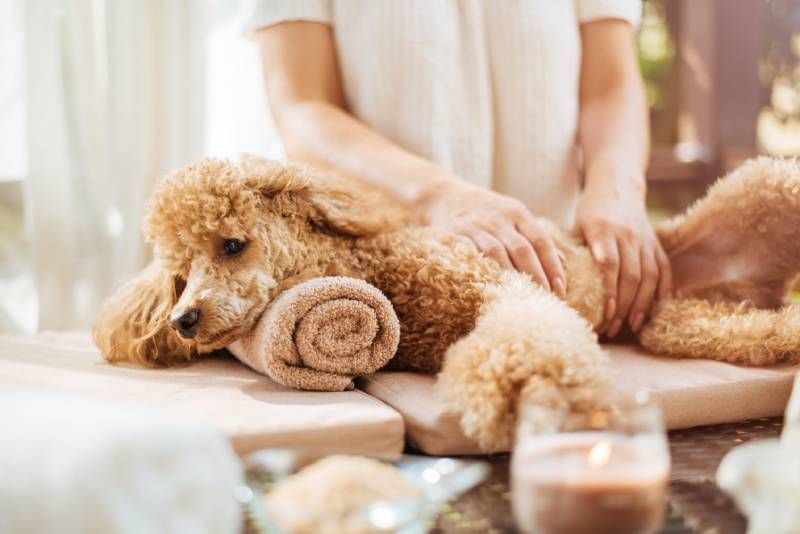
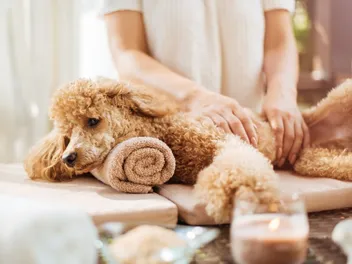
The bliss and relaxation that follow a massage are unforgettable, but massages have more to offer than just relaxation, and it’s the same for our dogs. Dog massage is not a gimmick; your beloved pet can enjoy both the physical and mental benefits of a gentle rub. The great thing is that you can do it at home, if performed correctly with appropriate technique and understanding of canine anatomy, and your dog is likely to be grateful. It is also a great way to bond and show your dog affection. If you’re not sure how to proceed with the actual massage techniques, speak to your vet or a veterinary massage therapist. In this article, we’ll discuss the benefits your dog can enjoy from a simple massage.

The 6 Great Benefits of Massaging Your Dog
1. Reduces Stress and Anxiety

Just as massage can reduce stress and anxiety in humans, it may offer similar benefits to your pup. Common causes of anxiety in dogs may include fear, separation, and inadequate socialization or past experiences. While massage is not a replacement for behavioral or veterinary advice and management when needed, it can be a useful complementary approach to help promote relaxation and strengthen the bond between dog and owner.
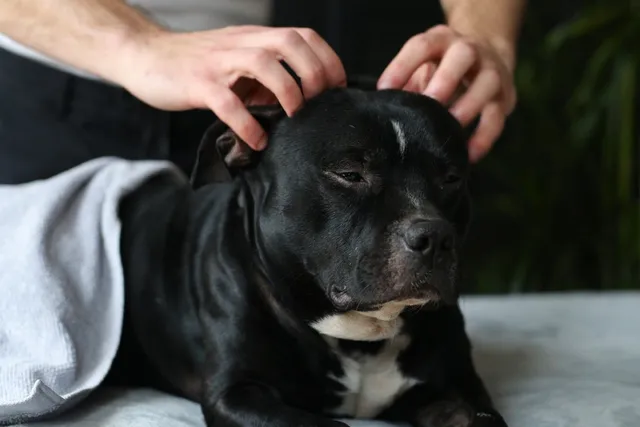
Some practitioners of canine massage and Traditional Chinese Veterinary Medicine use acupressure points such as Yin Tang, located on the forehead between the eyes, and points near the temples. These are believed to be associated with relaxation and focus, although scientific evidence supporting their specific effects in dogs is limited. Some dogs may appear calmer during gentle massage in these areas, but responses can vary between individuals.
2. Improves Circulation and Lymphatic Flow
Healthy circulation ensures a healthy supply of oxygen, nutrients, and blood, which is vital for their skin and coat and overall health. Gentle pressure through a massage may help stimulate local blood flow and promote relaxation of muscles, which can contribute to overall comfort.
Lymph is a clear fluid that circulates through the lymphatic system and is a component of the immune system. Swelling and discomfort can occur when lymph does not flow properly between tissues and lymph nodes. Massage may improve the flow of lymph fluid and aid in the removal of metabolic waste from your dog’s muscles and internal organs, although these effects are typically mild and should not replace veterinary care when medical issues are present.
3. Relieves Pain

When your dog is being massaged, it may promote relaxation and the release of feel-good chemicals, which can help relieve pain. An active dog that enjoys running and swimming can easily exert itself, resulting in stiff and sore muscles. A massage will help reduce the tension by relaxing the muscles. In the same way that massage helps aching muscles and joints, it can be beneficial for dogs suffering from arthritis.
Arthritis is commonly caused by aging, developmental disorders, and injuries. As your dog gets older, arthritis can become more painful and uncomfortable, impacting mobility, which makes treatment a top priority.
4. Supports Overall Health
As mentioned before, massaging your dog can encourage relaxation by reducing stress. Lower stress levels can support overall health and may have a positive effect on immune function. Massage may also improve circulation, which supports general tissue health.
A robust immune system is essential to the health and well-being of your pup, so incorporating a massage routine into your dog’s activities may be a helpful addition to their overall care.
5. Supports the Recovery Process
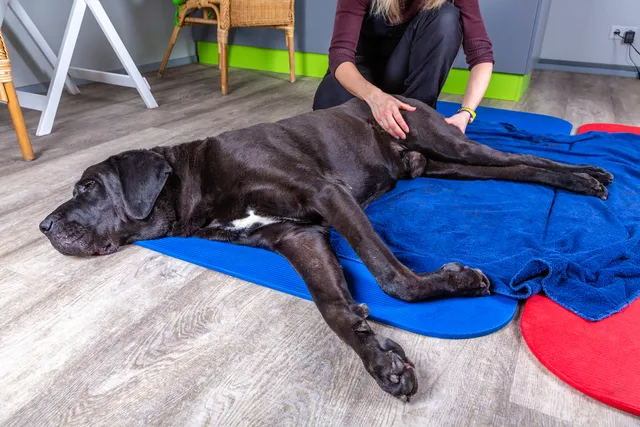
If your dog is recovering from an injury or being rehabilitated from surgery, massage can assist the process. Massage may help surrounding muscles and other areas of the body that are taking on extra strain, although care should be taken around injured tissues, especially as they are likely to be inflamed and painful. If your dog is recovering from surgery, your vet can help you with the best techniques to assist in your dog’s recovery, together with pain relief and other physiotherapy methods.
6. Helps to Identify Potential Health Issues
An important benefit of incorporating a regular massage routine for your dog is that you will become familiar with its body and will easily recognize if something is out of the ordinary or has changed. You can locate lumps, skin wounds, or injuries early and get your dog to the vet for a diagnosis and correct care.
During the massaging process, be aware of any lumps and swelling, and take note of the temperature of your dog’s skin. Massage can help in the early detection of potential health issues, especially skin changes and lumps, which can help prolong your dog’s life while giving you peace of mind that your pup is healthy.


Reflexology
While massage has been shown to be beneficial for dogs, there is still no strong scientific evidence supporting reflexology in veterinary medicine. Reflexology is a practice based on applying pressure to specific points on the feet or paws, based on the theory that these points correspond to different areas of the body. However, there are no studies on how this may potentially affect pets.
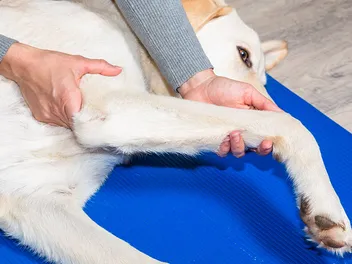
The most common type of reflexology involves applying gentle pressure to various areas of the bottom of the dog’s paw. It may promote relaxation and stress reduction in some dogs, although other claimed benefits, such as improved circulation or pain relief, are not scientifically proven.
Some dogs dislike having their paws touched, and some may be resistant to reflexology. You should never force your dog and stop if they show signs of discomfort. Any illness or injury should first be assessed by a veterinarian in order to reach a diagnosis and recommend treatment options, rather than being solely managed with reflexology. It may be difficult to locate a reflexology practitioner for your dog, but gentle paw handling can still be a way to build trust and bond with your dog.
3 Massaging Techniques You Can Do at Home
While your dog can be massaged in many ways, there are three main techniques that you can use at home.
1. Massage for Stress Relief

If your dog is stressed or anxious, slow and gentle movements are essential to help them transition into a calmer state. Using soft strokes, you may start at the head or another comfortable area for your dog and move gradually along the body. Keep a steady and consistent flow, and try to determine where your dog feels tense. As the massage continues, you will notice your dog’s body relaxing, and your dog may drift off to sleep.
2. Massage for Pain Reduction
Start this technique the same way you would use the stress massage technique and slowly introduce compression and gentle pumping motions, but only if your dog is comfortable with this. If they are too painful, they may resent being touched and may even growl or try to bite. Also note that massage alone cannot deal with painful conditions, but instead is meant to be a complementary technique alongside veterinary treatment and painkillers.
Gentle movements may help soften the tense tissues and muscles, allowing them to relax and untwist. Be extra careful and work more gently on the areas where there is pain, finishing the massage with gentle stroking and petting.
3. Massage for Injury Rehabilitation
If your dog is recovering from an injury, the technique you use will depend on the type of injury. Typically, your vet will demonstrate some methods for a proper recovery. Massage for rehabilitation should only be performed if cleared by your vet, and it is often combined with other physiotherapy approaches such as gentle range-of-motion exercises. Before you start the recovery technique, you can gently stroke your dog to help put it in a calm and relaxed state.
If your pet enjoys being groomed, you can incorporate brushing or combing into the massage. Your dog may fall asleep if they enjoy your gentle touch.
Summary
Canine massage can provide some health benefits for your beloved pet, but most importantly, your dog will feel content and relaxed. You can incorporate a gentle massage routine to help with any anxiety or stress, and it will benefit you both by strengthening your bond.
A bit more pressure can be added to your technique if your dog is experiencing sore muscles after an active day, but if your dog has an injury or medical condition, it’s important to seek a professional.
Sources
Featured Image Credit: Rasulov, Shutterstock
Expert dog care, straight to your inbox
Vet-reviewed advice, training tips, and the best of Dogster. Free, and you can unsubscribe anytime.
By signing up, you agree to our Terms & Conditions and Privacy & Cookies Policy.
Nicole has loved animals of all sizes her whole life so it's no wonder she has dedicated her career to helping them through what she loves best: learning, writing, and sharing knowledge with others. She’s the proud mom of two dogs, a cat, and a human. With a degree in Education and 15+ years of writing experience, Nicole wants to help pet parents and pets around the planet to live happy, safe, and healthy lives.
Join the conversation
Ask a question, share your story, or send private feedback.