How to Train a Havanese: 14 Great Tips


In this article
Do you easily get fooled by your little Havanese’s cuteness? Of course, you do; who wouldn't? With their small size, affectionate nature, and knack for getting into mischief, these dogs always bring a smile to our faces. Not only that, but they also make great pets!
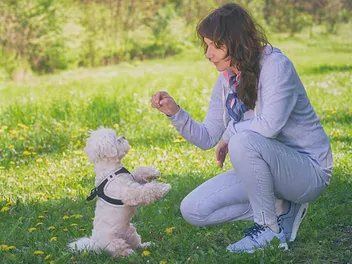
Havanese dogs are also easily trainable, and things won’t be challenging if you go about it the right way! You should be clear and consistent, but also use positive reinforcement with healthy treats and fun during their training sessions. This will ensure your pup's cooperation!
Start by understanding how your pet thinks, and see what motivates them the most. Then, develop your training plan and guide your pup through each step.
Havanese love being close to their parents, so a positive approach can easily give you your desired results. To get you started, here are 14 tips to help you out:

The 14 Tips to Train Your Havanese
1. Keep Your Training Durations Short
When training your dog, keep your sessions short and precise. It will prevent your pet from losing focus. Remember, adults and puppies have varying attention spans.
A pup can only focus for very short periods, often just a few minutes, so 1 to 2 minutes multiple times a day would be ideal. On the other hand, you can go up to 10–15 minutes with an adult Havanese.

2. Always Be Positive
Training should always be positive for your Havanese. Positive reinforcement encourages your pet to repeat desired behaviors and learn through reward-based associations. It includes tasty treats, verbal appreciation, and excessive petting.
You can use positive reinforcement whenever your pet follows an instruction correctly, eliminates at the right place, or acts appropriately. Consistent, reward-based training helps reinforce desired behaviors and can make learning more engaging.
Remember not to overdo the treats. Instead, cut them into pea-sized pieces and give them in limited quantities.
3. Be Consistent
Consistency and patience are the two critical factors in training your Havanese. Incorporate this consistency when giving commands. For example, when crate training your pet, use the same words in the exact tone and point your finger at the crate.
Ensure to keep your other friends and family members in the loop about your pet’s training so they follow it consistently when you’re not around. Inconsistency may make your Havanese uncertain about expectations during training and can slow learning.

4. Don’t Repeat a Command More Than Once
Repeatedly giving a command without reinforcing the behavior can make cues less effective during training. Some dogs can quickly master a command in just a few repetitions. If you command your Havanese the same thing repeatedly without reinforcement or follow-through, they may become less responsive to the cue and do whatever pleases them. Be sure to instruct them in a friendly tone as well.
5. Discourage Your Puppy’s Undesired Behavior
Havanese puppies are very adorable and often get into mischief. Unfortunately, many pet owners confuse their pup’s undesired behavior with cuteness and don’t discourage these behaviors. While that might be okay when the puppy is little, it can be troublesome in the long run.
If you don’t discourage your Havanese’s undesired behaviors, it may chew on household items, jump on people, and get involved in destructive activities. Your pet may continue repeating behaviors that receive attention or are unintentionally reinforced.
Let’s be clear—many people find poorly trained behavior difficult to manage. So, interrupt the behavior calmly and redirect your puppy to an appropriate activity or cue. You can also try ignoring attention-seeking behaviors, so they will know that they won’t get your attention when acting out.

6. Purchase the Right Crate for Your Havanese
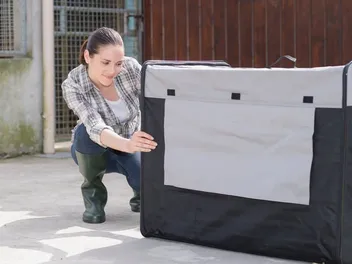
The right crate can make things no less than heaven for your pet. Many pet owners don’t focus on getting the ideal crate for their Havanese when training them, so they end up being frustrated. But the truth is, a good crate can provide a safe resting space and may help some dogs feel more secure during training and rest periods.
Before buying one, measure the size of your Havanese and get a crate with enough space for them to stand up, turn around, and lie down comfortably. However, it shouldn’t be too big, or your pet may be more likely to eliminate in one area of the crate and rest in another during house-training.
7. Make the Crate Comfortable
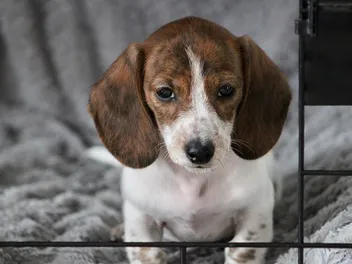
The right crate will only show its magic when you make it comfortable for your furry friend. Start by putting a soft blanket in the crate and, optionally, draping a towel on its top if your pup appears to relax with partial visual coverage to make your Havanese feel like they’re in a den. Add your pet’s favorite toys and consider providing water in a spill-resistant bowl when appropriate, especially during longer crate periods.
However, make sure you’re not isolating your Havanese from your family. These dogs often prefer social interaction and proximity to their people, so putting their crate far away will make them stressed or unsettled during training or rest periods.

8. Motivate Your Pet to Use Their Crate
Have you made your puppy's crate comfy, but they still won't use it? So, where did you go wrong? You probably did everything right, but you forgot to make it "inviting" for your pet. But don’t worry, many dogs may feel hesitant when first introduced to a crate. This means you now need to encourage your Havanese to enter the crate.
To lure them in, you can place bits of their favorite treats close to and inside the crate. It could take your Havanese a few minutes or days to get comfortable with it, so be patient and don't try to force them in. Once your Havanese enters the crate, offer gentle praise, petting, or a treat to reinforce the behavior and tell them they’ve done a good job. This way, they will create a positive association with the space.
More importantly, you should initially leave the crate’s door open to allow your dog to be comfortable with its new environment. Once your Havanese appears relaxed entering the crate, you can start giving them meals while inside.
9. Eventually Shut the Crate’s Door During Meals
You should close the crate’s door gradually once your dog is comfortable entering and eating in the crate, especially during meals. Initially, shut the door for a few minutes and open it shortly after the meal begins or shortly after your dog finishes eating, depending on their comfort level.
Repeat this process with every meal and increase the time gradually until you can keep the door closed for short periods after the meal while your dog remains relaxed. You may hear your pup whining during this part of the crate training.
Whining could mean that you increased the duration of confinement too quickly. But avoid immediately opening the crate door while the dog is actively whining if the behavior appears to be attention-seeking. If you do, your Havanese may learn that whining results in the door being opened. So instead, try shortening the crate time and going slower.

10. Leave the Room When the Crate’s Door Is Shut
When your Havanese seems relaxed with the closed door, you can leave them alone in the room. While this step often begins during mealtimes, you can gradually practice short crate periods at other calm times of the day as well.
Start by leaving the room for very short periods, such as a minute or two, and return right after. When you think they’re comfortable enough, work your way up to longer periods, gradually increasing the duration based on your Havanese’s comfort and relaxation. You can also try leaving and returning the room at slightly varied time intervals. With enough practice and patience, you and your Havanese will be well on your way to successful crate training!
11. Train Your Havanese for Longer Crate Times
Once your pet seems relaxed with the crate’s closed door, you can take their training to the next level. Start leaving your Havanese for gradually longer periods in the crate and see whether they can handle it.
You can leave them in the crate for short periods when you’re not at home or overnight once they are properly accustomed to the crate. However, Havanese dogs can be prone to separation anxiety if you leave them in the crate for too long. So, ensure you’re keeping your pet busy in the crate with safe chew toys or food-dispensing puzzles.
Another concern during crate training is that puppies can’t hold their pee for long periods. So, only leave your pet alone for as long as they can manage it. A commonly used guideline is that many puppies may be able to hold urine for approximately one hour for each month of age. This means your 4-month-old may be able to control their bladder for around 4 hours under ideal conditions, but some puppies may need more frequent breaks.
Always give your Havanese a chance to go to the bathroom after taking them outside the crate. If you’re crate training your dog overnight, young puppies may need to eliminate during the night and should be given bathroom breaks as needed. Your Havanese may signal the need to eliminate by whining, shifting, or pawing at the crate, although not all dogs provide clear signals.

12. Learn How to Manage Your Dog’s Whining
Your Havanese may whine a lot during the training. Prepare your mind for it beforehand to not fall into their cute traps. It’s natural for dogs to whine in their initial training sessions.
As a pet owner, you must determine why your dog is whining. Do they need to be eliminated or just need attention?
Puppies usually whine to tell their parents they need to pee. So, always take your pup for elimination before going into their crate. But sometimes, they may just want attention. Give them a few minutes of affection and let them settle themselves. If the whining stops, that's probably what they were after.
13. House Train Your Havanese
Potty training is an essential yet challenging task for pet owners. If your Havanese is already crate trained, house training them will be relatively easier for you since they are less likely to eliminate in their resting area.
Just be patient and never punish or scold your Havanese for any accident. Instead, clean the area thoroughly and tell your pet it’s okay to make a mess sometimes. Use an enzymatic cleaner to make the area completely clean and help remove odor-causing residues that may attract repeat elimination.

14. Make a Bathroom Schedule
Developing a bathroom schedule is crucial when potty training your Havanese. As you know, puppies must pee more frequently than adults, so a schedule will keep their elimination routine consistent. Your pup must use the bathroom after having meals and waking up after a nap, not to mention before their bedtime. Comparatively, an adult Havanese will need to urinate several times throughout the day, including after meals and before sleeping.
Conclusion
Havanese are affectionate, loving, and generally responsive to training. Their cuteness often gets the best of their owners, and they successfully trick them into skipping their training sessions. However, you can go a long way with the right approach. The key is to be consistent, patient, and positive with your pet and avoid forcing them into situations that cause fear or distress. Crate training can help support house training and provide a safe resting space when introduced properly. Always choose the correct crate to ensure your pet’s comfort and safety during training. See Also:
Featured Image Credit: Christian Mueller, Shutterstock
Expert dog care, straight to your inbox
Vet-reviewed advice, training tips, and the best of Dogster. Free, and you can unsubscribe anytime.
By signing up, you agree to our Terms & Conditions and Privacy & Cookies Policy.
Jeff is a data privacy tech professional who spends his evenings writing and practicing photography. He's been a software team lead at various Fortune 100 startups for 20 years and loves to relax after work with his pets.
Join the conversation
Ask a question, share your story, or send private feedback.