How to Potty Train a Havanese: 10 Vet-Approved Tips


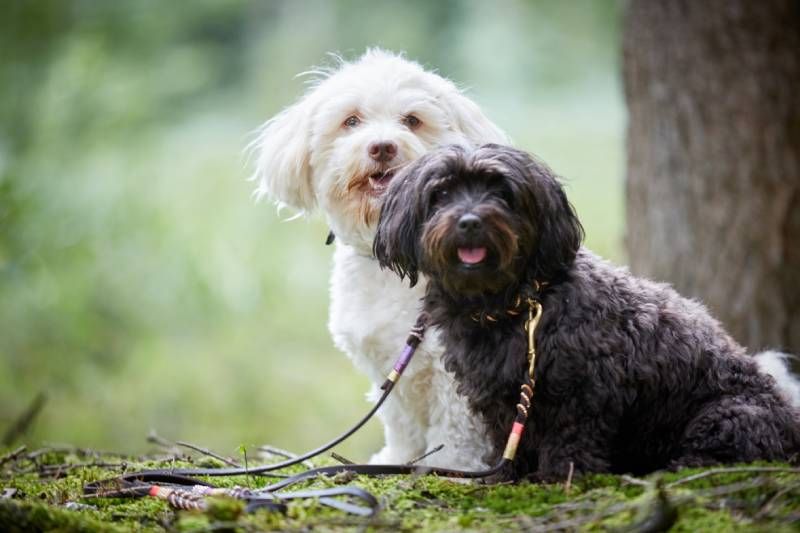
If you’re the proud new parent of Havanese, you’re in luck. Not only are these dogs seriously sweet and great fun to be around, but they’re also pretty easy to train because they’re very smart and live to please their humans.
Potty training your Havanese might seem like an intimidating prospect at the moment, especially if you’re working with your first-ever dog, but not to worry—here are some useful tips on how to make it a success.

The 10 Tips How to Potty Train a Havanese
1. Crate Train Your Puppy
In the fight against pee—or worse—on your floor or furniture, you have one solid ally—the crate. Spending a certain amount of time in a crate is a useful skill for puppies to learn because not only does it cater to a dog’s instinct to find a safe haven of their own and offers them a sense of security, but it also helps teach them when it’s appropriate to use the bathroom.
This is because dogs don’t want to soil their sleeping space, so they’re more likely to alert you to the fact that they need to pee if they’re inside their crate. They may do this by scratching at the door or whimpering.
Crate training is a gradual process and your Havanese puppy should only spend small amounts of time in the crate at first before building up to longer periods. Moreover, your Havanese should never be shut inside their crate for too long and the crate should not be used to punish.
Use rewards and lots of positive reinforcement to help your puppy get used to their crate and be sure to pick a crate that’s neither too big nor too small for them. Puppies in crates too large for them might find a sneaky corner spot to pee in, whereas a too-small crate will restrict their movement and make them feel trapped.
2. Take Regular Trips Outside
Puppies simply can’t hold their bladders for as long as adult dogs. Two-month-old puppies need to go to the bathroom every 2 hours or so during the day. Take your Havanese puppy outside every 2 hours (ideally to the same spot each time), praising and rewarding them every time they eliminate outdoors.
It’s also a good rule of thumb to take your puppy outside first thing in the morning, before bed, after meals, after drinking water, and after playtime, as they’ll most likely need to “go” at these times.
If you’ve adopted an adult Havanese, they might not have learned good bathroom habits at a young age, so you’ll want to take them outside regularly, too, though you may be able to space out their “outside” trips a bit more than with puppies.
3. Respond Calmly to Accidents
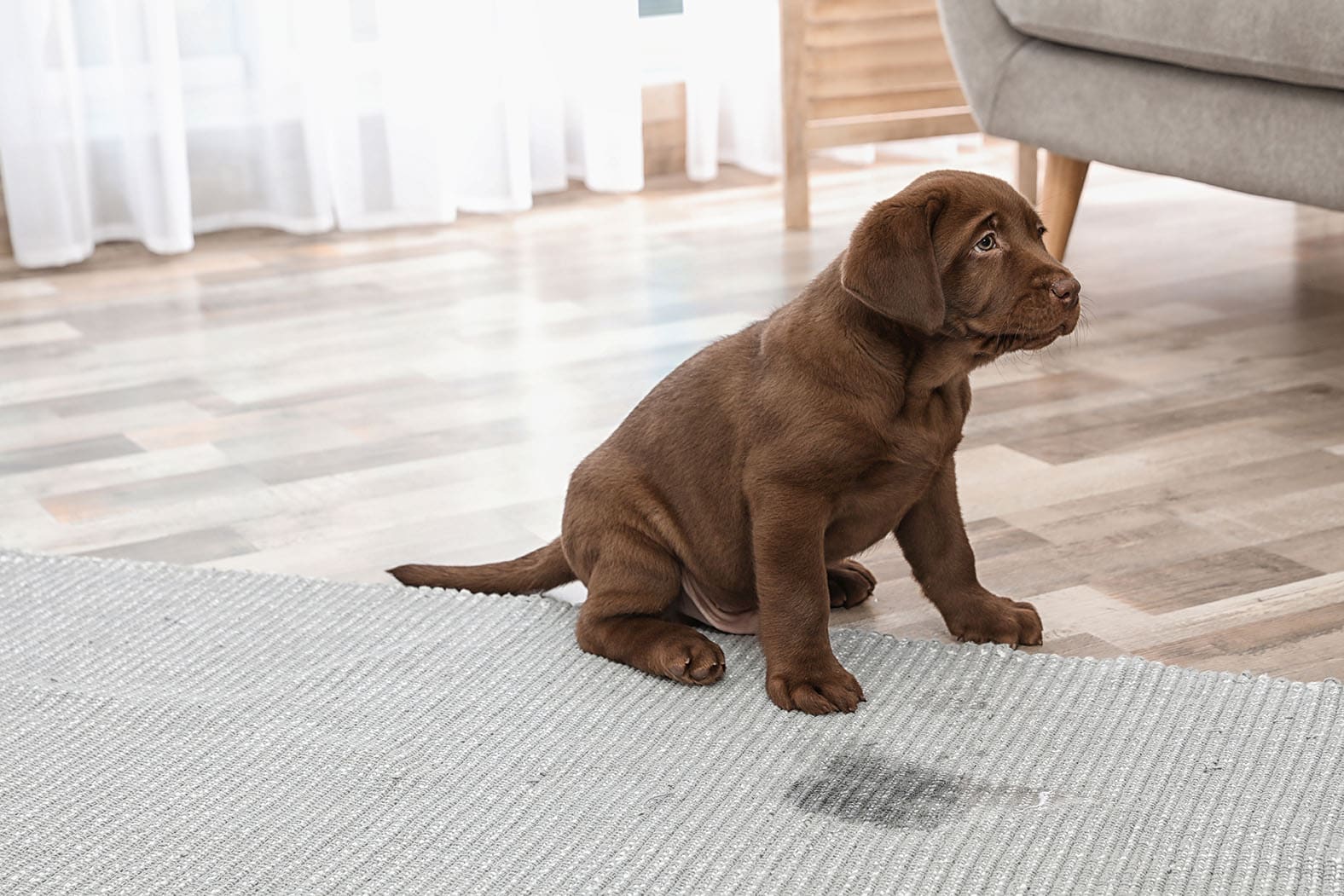
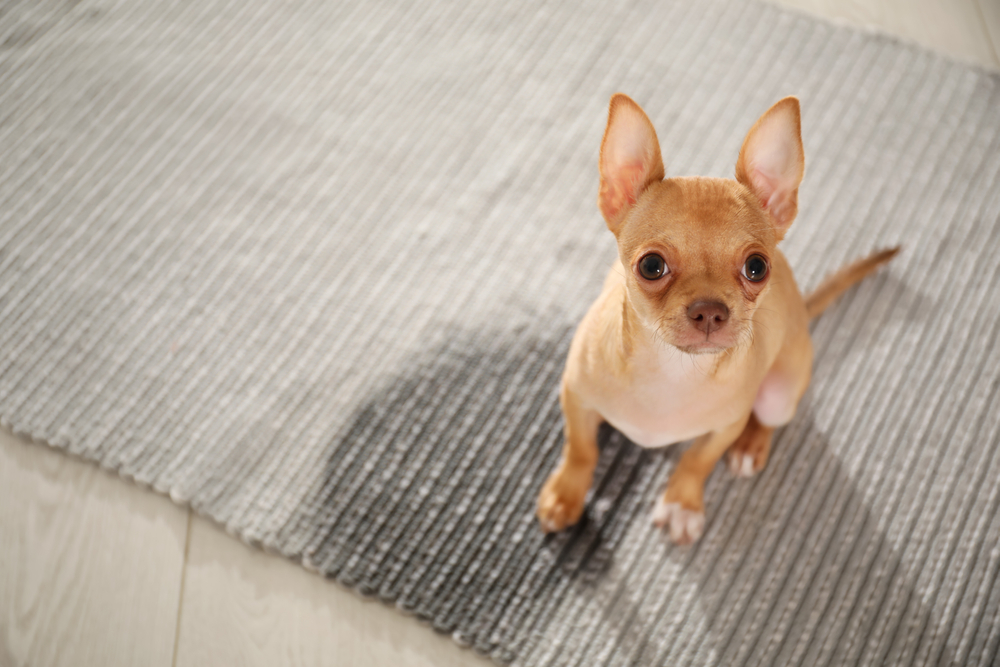
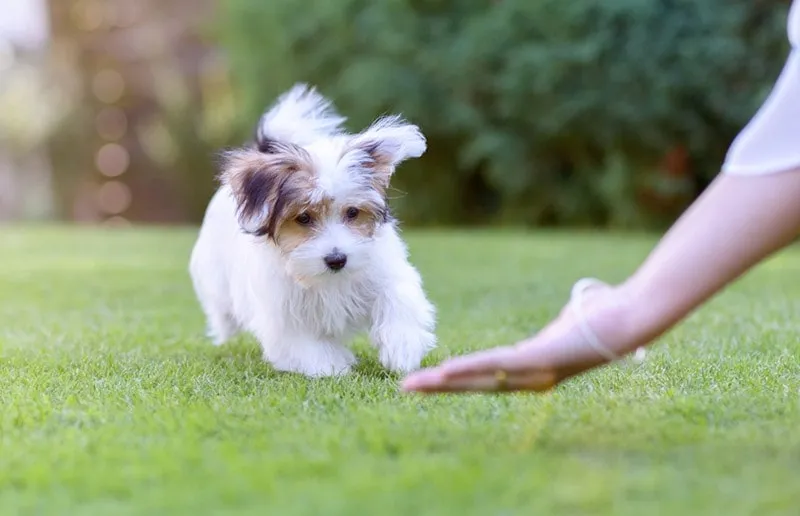
There are no two ways about it—your puppy or adopted adult Havanese is going to make mistakes, and, though this may be frustrating, the last thing you want to do is get angry, scold them, or punish them. They are not doing this out of spite or to misbehave—they simply don’t understand where they’re supposed to go yet or haven’t been outside in a long time.
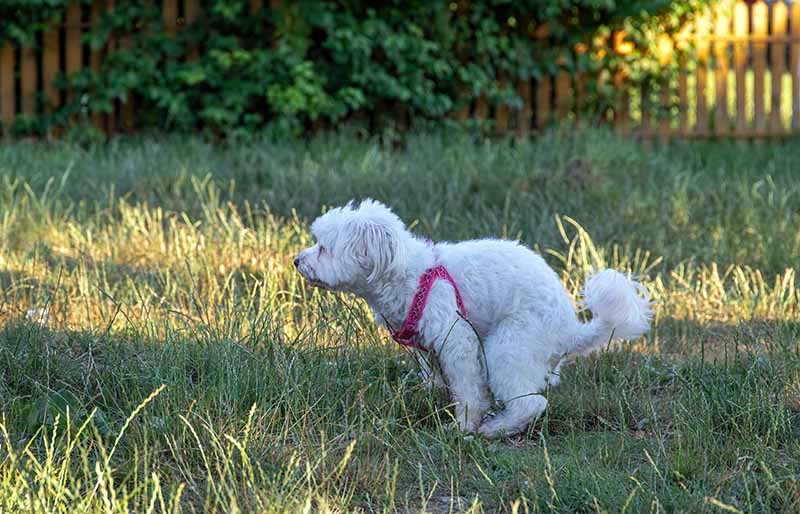
If your Havanese pees or poops inside the house, don’t yell. Instead, learn to recognize the signs they need to go outside such as walking in circles or sniffing the floor, then calmly and quickly take them outside to the spot you’ve chosen for them to go to the bathroom and wait a while to see if they use the bathroom there. Reward and praise them if they do.
4. Use Rewards and Praise
We’ve already touched on this, but positive reinforcement gets a whole section of its own, simply because it’s so crucial! Never underestimate the power of a bit of praise, a tasty treat, or your Havanese being allowed to play with their favorite toy.
Find out what motivates your Havanese (i.e., praise, toys, treats) and use this every time they go to the bathroom where they’re supposed to. Don’t forget to let them know how good they are!
5. Teach the “Pee” Cue
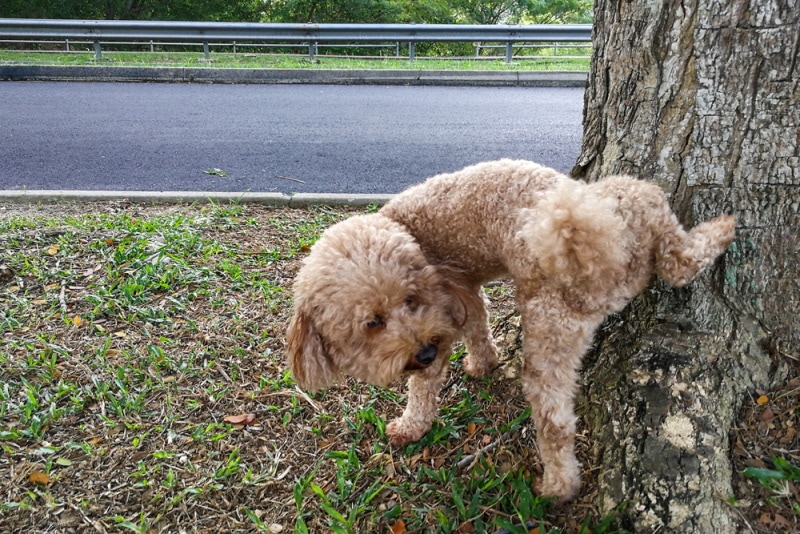
One way you can give your Havanese an opportunity to get a reward and encourage them to keep peeing outside is to teach the “pee” cue. Just when your Havanese is about to pee outside (cocking their leg up or squatting), say “pee”, then say “good pee!” when they’ve finished and reward them.
This helps your dog to associate the word “pee” with the action—a useful tool for when they’re adults and you want them to pee on command.
6. Keep an Eye on Your Havanese’s Diet
If your puppy is experiencing diarrhea and eliminating indoors, it might be down to their diet. Not every formula suits every dog, so have a chat with your vet about a diet that might be easier on your pooch’s tummy. Also, make sure they’re eating the right food for their age—puppies should not be eating adult dog food.
7. Feed on Schedule
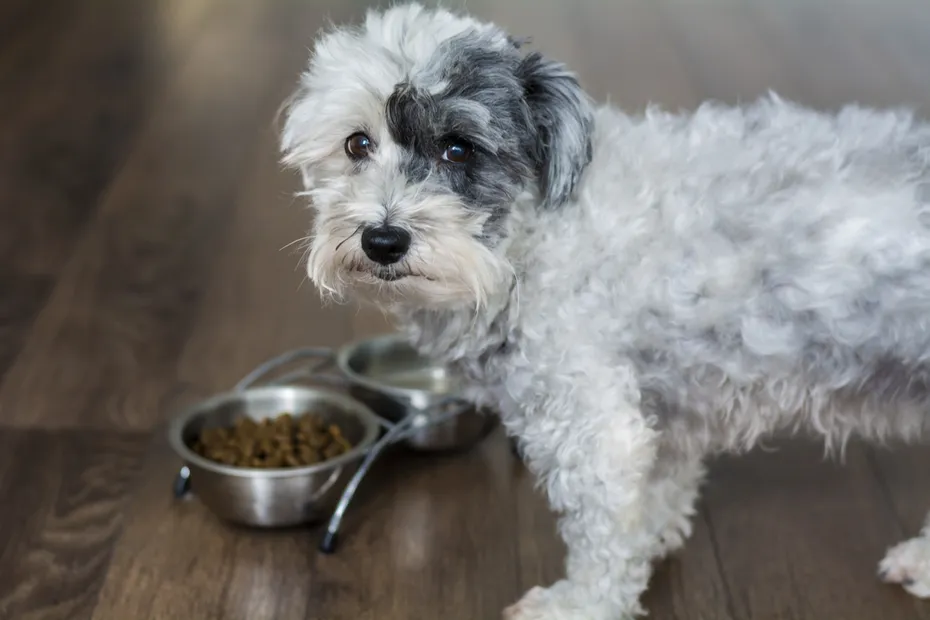
Puppies aged between 6–12 weeks typically eat around four times (maybe more in some cases) per day if they’re a toy breed like the Havanese, and this decreases to around three times per day when they’re between 3–6 months. This may vary, though, so be sure to check the food packaging or ask your vet for specific guidelines.
Feeding your puppy on a schedule is important as it gets them into the rhythm of peeing and pooping at around the same time every day.
8. Take Away Water Before Bed
If your Havanese puppy is healthy and you do not live in an extremely hot area, you can consider this while you potty train them. A few hours before the household goes to bed, remove the water dish to minimize the risk of your Havanese needing to pee throughout the night. About 2 or 3 hours before bed is a good time to do this.
9. Clean Up Messes Thoroughly
If your Havanese peed in a certain area of the house, they may go back to that spot to do it again if the area wasn’t cleaned thoroughly the first time. This is because their scent is still there, and dogs are drawn to areas with familiar scents. Invest in a good pet enzyme cleaner, as these remove all traces of odors and are often formulated to discourage repeat incidents.
If you're looking for an all-in-one, pet-friendly, enzyme cleaner, we highly recommend the Hepper Advanced Bio-Enzyme Pet Stain & Odor Eliminator Spray.

- ADVANCED ENZYMATIC CLEANER - Penetrates the most stubborn smells and stains at the deepest molecular levels to dissolve any pet mess you encounter and lift it away at the source.
- FOR ANY MESS, ON ANY SURFACE - This pet odor eliminator cleans your carpets, floors, furniture, fabrics, and more. Whether it's urine, feces, vomit, or drool, you can erase all foul spots and smells!
- FRESH, NATURAL ODOR - Our unique formulation doesn't rely on dangerous or unpleasant chemical fragrances to get the job done. We eradicate smells and stains, not just cover them up.
It eliminates tough stains and odors easily and is excellent for accident prevention. Plus, it comes with a 100% satisfaction guarantee! Click here to order now.
At Dogster, we’ve admired Hepper for many years, and decided to take a controlling ownership interest so that we could benefit from the outstanding products of this cool pet company!
10. Avoid Using Puppy Pads for Too Long
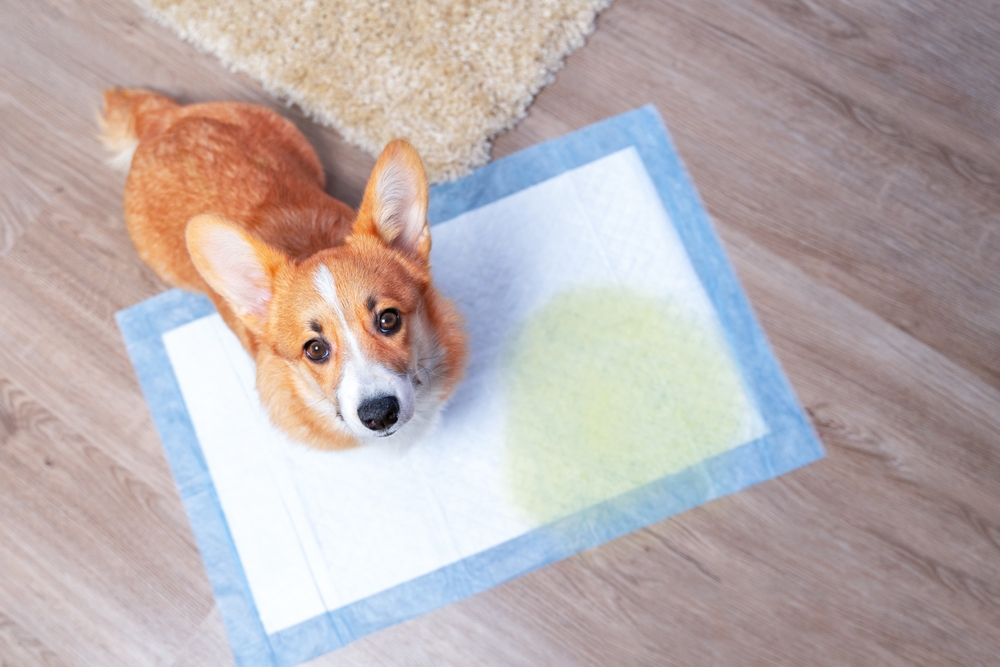
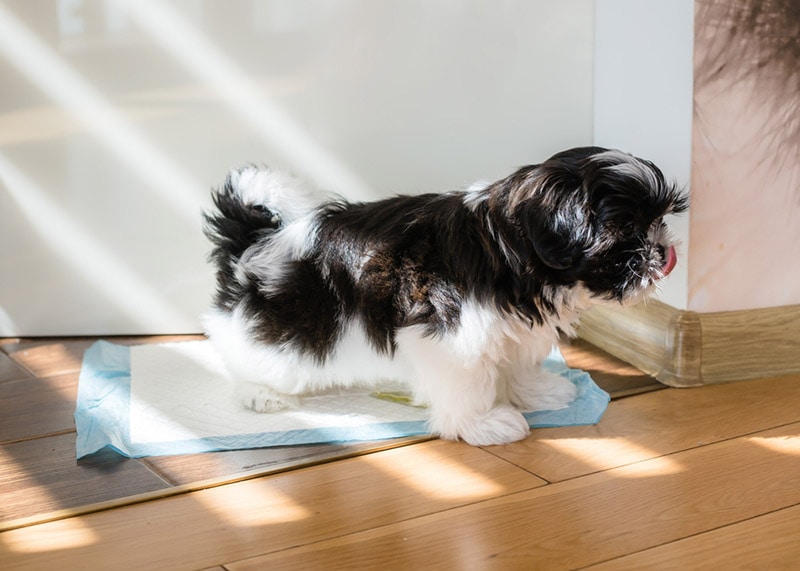
There are both pros and cons to using puppy pads. While they can be a savior if you need to head out and leave your puppy at home for a while or if the weather conditions are too extreme for your puppy, using them long-term can make it so that you have to train your puppy to stop using them at some point, which can be complicated if your puppy has gotten used to them.
Sometimes, there’s just no help for it and you have to use puppy pads for the sake of your floor or furniture or as a training aid at first, but it might be best to avoid using them for too long, as the habit may become hard to break.
One alternative to puppy pads worth considering is a disposable puppy pad box containing real grass. These mimic the outside spot a puppy would usually go to the bathroom in, so it bridges the gap somewhat between indoors and outdoors.
Conclusion
When potty training your Havanese, the most important thing is to be calm, consistent, and patient with your dog. Being positive as opposed to punishing your Havanese for accidents will protect the bond you share and avoid making potty training an anxiety-inducing experience for your dog, which can make matters so much worse.
Also, remember that dogs don’t all learn at the same pace. Some may pick up potty training quickly, whereas, for others, it may take a lot longer. However, if you’re feeling frustrated because it seems like something just isn’t “clicking” for your Havanese in terms of potty training, it may be worth reaching out to a professional trainer for help.
See also:
Featured Image Credit: Peter Mayer 67, Shutterstock
Expert dog care, straight to your inbox
News, insights, expert advice, and everything dog.

No spam — unsubscribe anytime.
By signing up, you agree to our Terms & Conditions and Privacy & Cookies Policy.
How useful was this post?
Click a star to rate. You can leave written feedback afterwards. (We read all feedback.)
Kit Copson is a freelance writer and lifelong animal lover with a strong interest in animal welfare. She has parented many furry beings over the years and is currently a proud cat mom of two—one very chilled (unless hungry) Siamese and a skittish but adorable Domestic Shorthair—and dog mom of one—an adopted Bichon Poodle cross. When not writing about or spending time with pets, Kit can be found drawing in her sketchpad, reading, or more often than not, drinking tea.