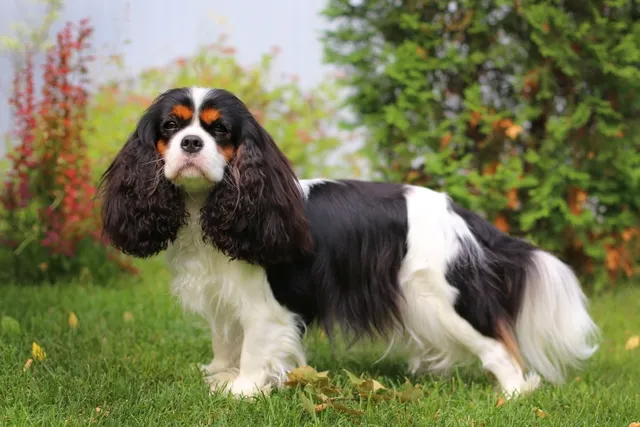
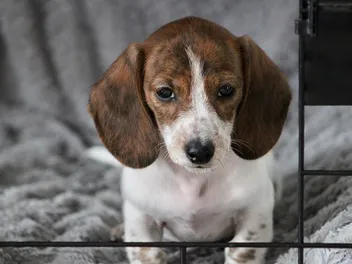
How to Crate Train a Cavalier King Charles Spaniel in 5 Vet-Approved Steps



Cavalier King Charles Spaniels are easygoing dogs and make wonderful companion pets for first-time dog owners. When bringing home a new dog, it’s essential to start training early to build good habits and help them adjust more quickly to living their new life with you.
Crate training is an invaluable part of many dogs’ training. Crates can help keep dogs in a safe space, and you don’t have to worry about them getting in a dangerous situation while you’re away.
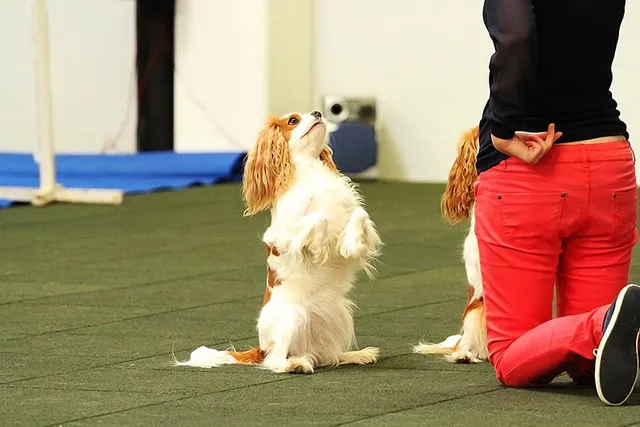
Cavalier King Charles Spaniels can form strong attachments with people and often dislike being away from them. So, while they’re relatively eager to please and easy to train, crate training can still be particularly challenging. Here are some steps you can take to ensure your Cavalier King Charles Spaniel is crate-trained.

Before You Begin: Setting Up the Crate
There are a few key things to remember before you start crate training your Cavalier King Charles Spaniel. First, you’ll want to purchase the correct crate size. Finding the ideal size will help your dog feel comfortable and safe while you’re away. You can accomplish this by measuring your dog’s standing height and length. After you get these measurements, all you have to do is add 6 inches to them.
You can purchase a crate with a divider if you have a growing puppy. Then, you can remove the divider and increase its size as the puppy grows.
Lastly, crate training can take a few weeks for puppies to learn, and it’s important not to leave your puppy alone in a crate if they're not ready. This will only make crate training more difficult and can cause unnecessary distress to your puppy. So, create enough space for crate training in your schedule.
The 5 Easy Steps to Crate Train a Cavalier King Charles Spaniel
1. Introduce Your Cavalier King Charles Spaniel to the Crate
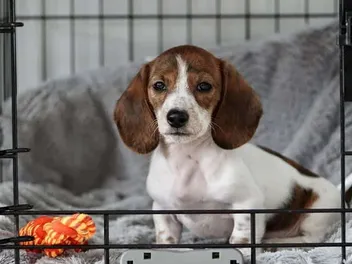
Allow your puppy to explore the crate with the door open. You can add a comfortable mat, a few treats, and a piece of clothing or a blanket with your scent. Your Cavalier King Charles Spaniel will need time to get used to the crate and develop positive associations.
If your puppy is food-motivated, you can toss treats first near the door, gradually progress to placing them deeper inside the crate, and encourage your puppy to go inside. Just make sure not to close the crate door yet.
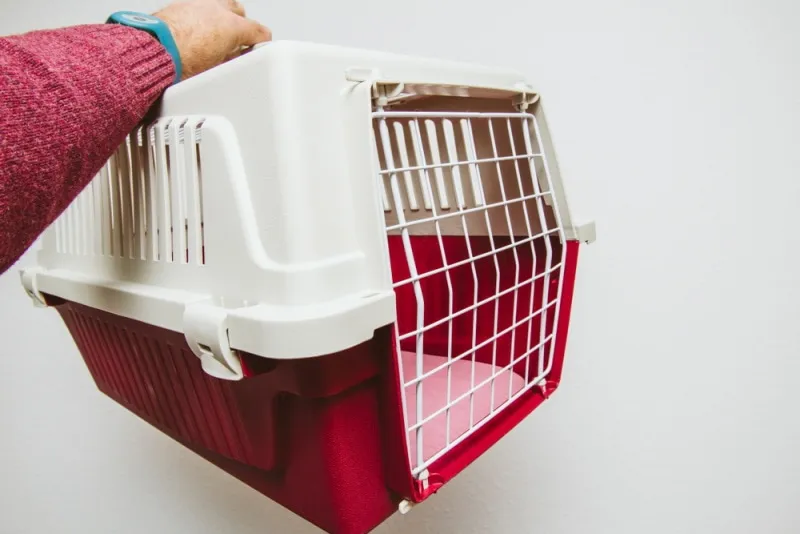
2. Have Your Cavalier King Charles Spaniel Eat Meals in the Crate
Feeding meals and keeping a water bowl inside the crate can also help your puppy get used to being inside it faster. If your puppy feels hesitant about going inside to eat, you can place the food bowl just outside the entrance so that your puppy can eat without completely entering the crate. Slowly move the food bowl into the crate in small increments until your puppy feels completely comfortable inside the crate.
Once your puppy is comfortable eating inside the crate, you can close the crate door. When you first do this, only keep the door shut while your puppy’s eating and open it as soon as your puppy’s done with the food. As your puppy gets used to the door being shut, you can increase the time the crate’s closed after they finish eating. Work your way toward having your puppy stay in the crate for at least 10 minutes without whining.
3. Start with Short Crate Periods
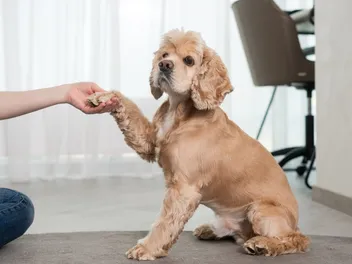
Once your Cavalier King Charles Spaniel can eat in the crate and wait without whining, you can have them enter the crate outside of mealtimes. Start by encouraging your puppy to go in the crate with a treat or favorite toy. Keep the door shut for just a couple of minutes. Then, open the door and give your dog praise and a treat.
Do this multiple times daily until your puppy consistently stays in the crate without whining. You can also move away from the crate and temporarily go into a different room to get your Cavalier King Charles Spaniel used to not seeing you. This step alone can take several weeks to accomplish.
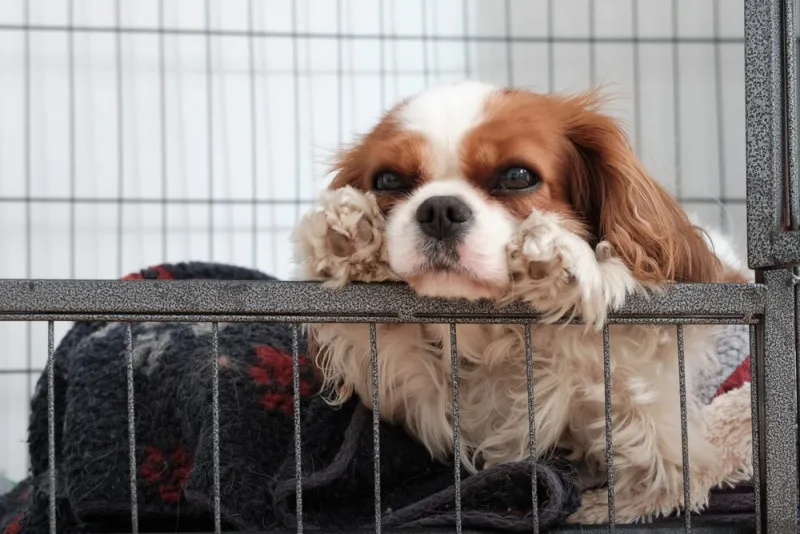
4. Lengthen the Crate Periods
Slowly increase the amount of time your Cavalier King Charles Spaniel is inside the crate and work your way up to getting your puppy used to spending 30 minutes inside. A helpful tool in this phase is a treat-dispensing toy. Freezing a kong toy with peanut butter is a great way to make the toy last longer.
5. Go Out on Short Trips
After your puppy can stay in the crate for 30 minutes without problems, you can leave the house for short errands. During the beginning of this phase, try not to be out for longer than 30 minutes.
Before leaving the house, ensure your puppy has gone to the bathroom. Don’t try to make a big deal out of leaving the house. Be calm and leave your dog with a treat when they go inside the crate.
You can slowly start to increase the number of minutes you spend outside. Remember that puppies shouldn’t be left in crates for more than 3 hours because they can’t wait long to relieve themselves. Adult dogs shouldn’t be inside crates for more than 8 hours.
Conclusion
Crate training a Cavalier King Charles Spaniel can be difficult, but it’ll get easier over time. Just make sure to work at a comfortable pace for your puppy. It may take several weeks or a couple of months. However, once your puppy gets the hang of it, they'll have a safe space to retreat to at any time, and you won’t have to worry about them getting into trouble while you’re away from the house.
Featured Image Credit: Page Light Studios, Shutterstock
Expert dog care, straight to your inbox
News, insights, expert advice, and everything dog.

No spam — unsubscribe anytime.
By signing up, you agree to our Terms & Conditions and Privacy & Cookies Policy.
How useful was this post?
Click a star to rate. You can leave written feedback afterwards. (We read all feedback.)
Jessica is a freelance writer who spends bigger part of her day researching and writing while her furry companion Cavapoo, Nora, snoozes beside her. She loves dogs, pets and animals because there’s so much to learn from them, and they do so much for us. As a dog mom, she understands the strong connection that pet parents have with their pets. So, she loves sharing helpful information that pet owners can use to better understand their beloved pets. When she isn't writing, you may find her walking dogs, tending to her plants, or drinking her nth cup of coffee.