How to Train a Cocker Spaniel: 7 Vet-Approved Tips & Tricks


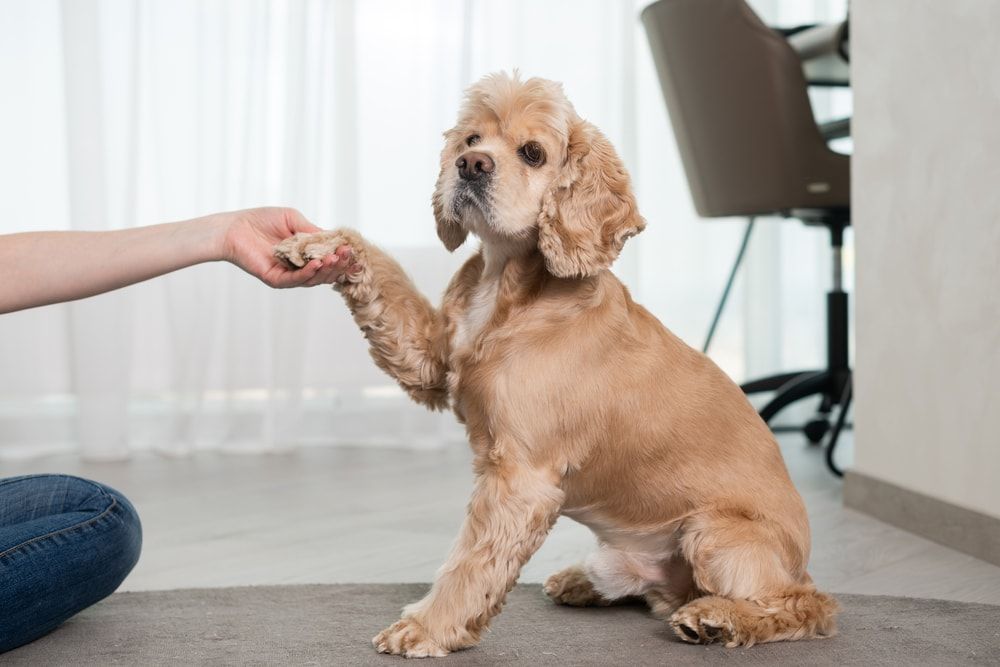
Cocker Spaniels are easygoing, cheerful dogs that can make great pets. They’re relatively easy to train, though they may not be as intelligent as some working or herding breeds. They benefit from training as early as 8 weeks, but you can easily train them when they’re older.
You should ensure that your Cocker Spaniel is well socialized, on top of being trained in basic obedience. Socialization involves introducing the dog to several people and places, which can help reduce the likelihood of fear or anxiety-related behaviors later.
While training a dog may seem overwhelming, it doesn't have to be. In this article, we'll go through various tips and tricks that you should know. Successfully training a Cocker Spaniel is mostly about commitment.

The 7 Tips for Training a Cocker Spaniel
1. Start Young
You should start training your Cocker Spaniel as soon as you bring them home. Puppies can start training relatively early, and some breeders start training the puppies before they’re sent to their new homes. Puppies are just starting to understand their world and environment. By introducing training at this early stage, you can help ensure they learn appropriate behaviors before unwanted habits are formed.
There aren't many downsides to training your puppy early. Due to their short attention spans, it may take a bit longer than if you waited. However, this is preferable to your canine developing bad habits.
2. Have Patience
You should be patient with your Cocker Spaniel. They’re intelligent, but their enthusiasm and sensitivity can sometimes affect their focus during training. They’re easily distracted and need to have short training sessions. Therefore, they may not learn things as fast as some other dogs. Don’t push a Cocker Spaniel that is tired and bored with training.
It’s best to integrate commands into daily life as quickly as possible. You should use the commands in several environments to help your Cocker Spaniel understand that they can be used in different settings.

3. Keep It Fun
You don’t want to make training a stressful time for your dog. If you do, there’s a good chance that your canine may become less responsive to training or avoid training sessions altogether. You can’t force a dog to train; you must motivate them with treats, toys, and affection. Most Cocker Spaniels want to please their owner through training. But if you make the sessions stressful, they may start running away at training time.
Also, it’s important to avoid harsh punishments and aversive training methods that include punishments. Instead, you want to focus on the positive aspects of training. Whenever your dog does something even slightly right, it’s important to praise and reward them.
In the beginning, you’ll be using treats gradually while continuing to use praise or other rewards intermitently.
4. Socialize Your Dog
On top of obedience training, you want to socialize your dog with other people and animals. Fear is a common contributor to aggression and other behavior problems. You can help reduce fear-related behaviors by socializing your dog. Simply put, this involves introducing your dog to new people, places, and animals at a young age. You can socialize an older dog, but it’s much easier to socialize a puppy since they are generally more adaptable during early development.
You should take your puppy to a variety of safe, positive environments so they can meet new people and animals. If you want your dog to be used to a specific type of animal (such as cats or chickens), be sure they’re around them frequently when they are little.
Puppy group classes can be helpful since they enable your puppy to interact with other dogs and people in a safe, controlled environment. However, you should also socialize your dog outside of training classes.
See Also: How Good Is a Cocker Spaniel With Cats?
5. Crate Train Your Dog
You should crate-train your dog, which involves getting them used to a crate. It should never be used as punishment, however. Instead, it should be a safe place where your dog can escape anything that’s stressing them.
It should be big enough for your dog to stand up and turn around, and you should teach children not to interact with the dog when they’re in the crate. However, you don’t want it to be too large, or it won’t have its “den-like”, secure feel.
Start by confining your dog to the crate for short intervals. To make it fun, you can give them special treats and chews.
6. Potty Train Early
One of the first things you should teach your dog is where to use the bathroom. Cocker Spaniels are small dogs, so their bladders are small, and puppies of all breeds have limited bladder control. They have to go outside more often, which can make potty training a bit challenging. Some owners find it helpful to teach their dogs to use a pad or potty area inside first and then move outside later.
Whichever method you choose, start early and be consistent. The best way to housetrain a dog is to take them outside regularly. You want to encourage them to use the bathroom before they have an accident. Each accident can slow progress, so being proactive and consistent is essential.
Every time the dog goes outside, praise them and reward them. If they have an accident inside, clean up the spot, but don't yell at them. Dogs won’t understand that going potty there is a problem, even if you show it to them. In fact, punishing or scolding after the fact may increase fear or anxiety and make potty training more difficult.
7. Don’t Forget About Leash Training
While a small puppy is easy to pick up and carry around, carrying them shouldn't be the primary way to move them. Limited exposure to walking experiences may reduce their confidence and leash skills. You should treat the puppy just like you would an adult dog and keep them on a leash in open areas.
Start by getting your dog used to the collar by putting it on them. Next, practice wearing the leash inside. Finally, you can walk your dog around outside. Your goal is to get your dog not to pull on the leash. To do so, you’ll need to stop whenever your dog pulls, which may be quite often at first. Expect walks to take a long time.

Conclusion
Cocker Spaniels are easier to train than many other breeds. However, you still need to train them correctly and consistently to make progress. Training dogs isn’t that difficult once you know how to do it. Sadly, many people just do it “how their parents did,” which ignores the last 50 years of research in the field.
Hopefully, these tips can help you avoid making mistakes.
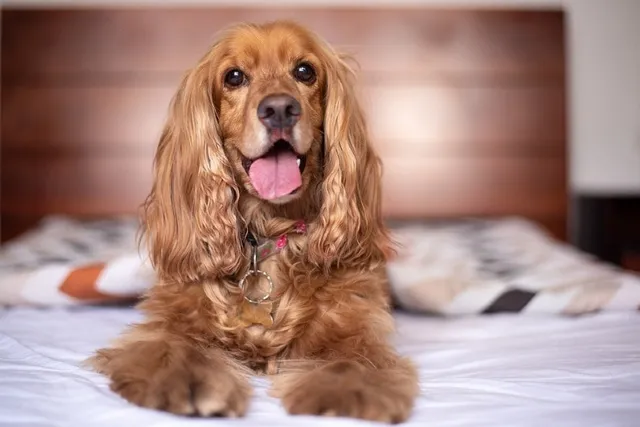
Featured Image Credit: O_Lypa, Shutterstock
Expert dog care, straight to your inbox
News, insights, expert advice, and everything dog.

No spam — unsubscribe anytime.
By signing up, you agree to our Terms & Conditions and Privacy & Cookies Policy.
How useful was this post?
Click a star to rate. You can leave written feedback afterwards. (We read all feedback.)
Kristin loves to help pet parents create a fulfilling life for their pets by informing them on the latest scientific discoveries and helping them choose the best products for their pets. She currently resides in Tennessee with three cats, four dogs, two fish, and a lizard, though she has dreams of owning chickens one day!