How to Train a Westie: 7 Vet-Approved Tips


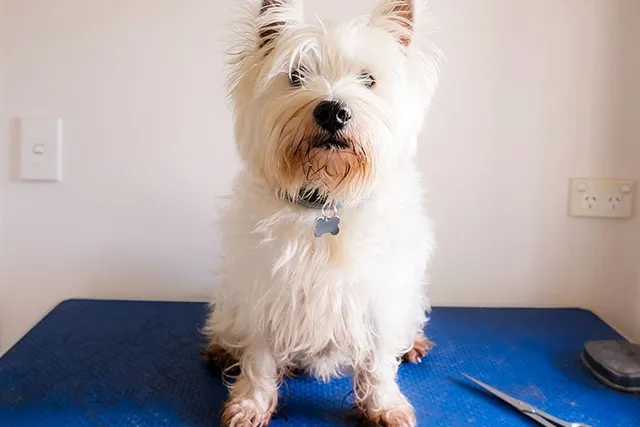
One of the most important considerations when welcoming a new dog into your home is not only size and personality but trainability. Some breeds are more willful or stubborn to learn than others, but the Westie is a fantastic breed that catches on quickly. You will need to curb their penchant for barking early on, but otherwise, Westie Training uses the same training foundation as any dog out there. For the step-by-step on how to train a Westie, read on as we break down everything you need to know.

Westie Training: Before You Begin
There are plenty of expensive dog trainers out there that will gladly help you train your Westie, but you don’t actually need to spend a lot to train them at home yourself. Westies are highly food-motivated, so you will need to arm yourself with lots of dog treats. It is best to choose a healthy, protein-rich treat, and your Westie must consider the treat to be high value.
You will also need a few other essentials, but we bet you have them on hand already. A crate, leash, harness, and puppy pads for accidents should work to get you started.
The 7 Tips on How to Train a Westie
1. Use Positive Reinforcement
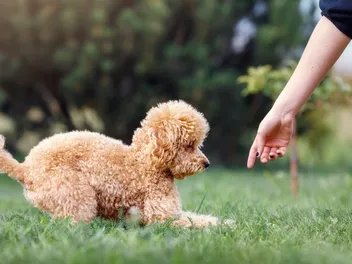
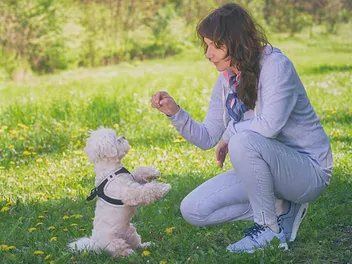
Positive reinforcement is the bedrock of all dog training—reinforce good behavior instead of punishing bad behavior. For example, never punish your Westie puppy for bad behavior like chewing up your shoes or having accidents in the house. Punishment makes your dog afraid and can exacerbate bad behavior. Punishing your pup for chewing your shoe, for instance, won’t work and they might just do it when you’re not looking. Instead, redirect them to a safe, acceptable toy for them and heavily reward your dog if they engage with it.
Good behavior often equals a good consequence, and bad behavior should get no reaction from you. Punishment isn’t only mean, but it doesn’t work and even sets your training back by damaging your dog’s trust in you. Strive to only use positive reinforcement in your training and you’ll have a much easier time.

2. Start Early
Like young humans, puppies are sponges that learn best when introduced to concepts like training early on. At 8 weeks, your Westie can start housetraining and basic commands, but don’t expect them to learn everything overnight! Their brains are working overtime already to learn about the world, you, and their new home, so be patient. Some pups simply need more repetitions to learn than others, but starting early will set you both up for the best chance of success.
Especially at a young age, Westies have very short attention spans and won’t be able to focus on training for very long in one session. We recommend starting with two, 5-minute sessions every day, but you can shorten that if your Westie gets bored or loses focus too soon. Like with kids, puppies learn best with consistent repetition over time.
3. Socialization
Westies are friendly, playful dogs, but they need socialization from an early age like any breed. Socialization involves carefully exposing your dog to new places, people, and animals while reinforcing calm behavior and ignoring bad behavior. For example, rewarding your Westie for being calm while people or dogs walk by them will teach them to behave in public.
At the same time, you want to avoid reinforcing any fears or undesirable behavior by staying cool and collected. For example, comforting your dog when they’re scared can actually reinforce bad behavior. Instead, stay calm, collected, and confident to show your dog that there’s nothing to be scared of.

4. Teach Essential Safety Commands
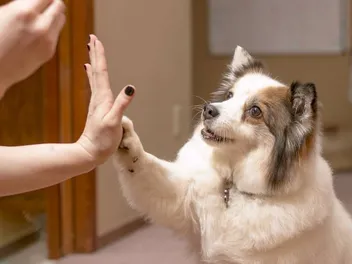
The most essential commands your Westie should know are sit, stay, come, leave it, and drop it. The names are self-explanatory, but you may not know that each of these are vital in keeping your Westie safe in potentially unsafe situations. If, say, a house fire breaks out and you don’t know where your dog is, the “come” command is literally life-saving.
5. Bark Training
Like some other small breeds, Westies have a bad habit of barking that can drive unprepared owners and neighbors crazy. You’ll want to nip this in the bud immediately. Calmly but firmly tell your dog “no” when they decide to continuously bark for no reason. They may not stop at first, but when they are calm and not barking, lavish them with praise and rewards.
Bark training is a lot easier if you make sure your Westie is getting enough exercise during the day. In a lot of cases, a yappy Westie could just be bored or restless, so try to increase playtime or walks while you tackle bark training at home to weed out all potential causes.

6. Crate Training
Crate training gives your Westie a dedicated private space they can retreat to for naps or when they get overwhelmed. Like all dogs, they’re inclined to seek out dark, enclosed spaces to feel safe, and you can use that to your advantage with crate training. You’ll need an appropriately sized crate that gives your dog room to lie down, stand up, and turn around comfortably.
First, place your crate in the designated area with the door open. Your Westie will be naturally curious about this new spot and may check it out of their own free will. If not, you can help encourage them by putting treats and favorite toys in the crate, or try feeding meals in the crate.
7. Potty Training
You can start potty training as soon as you bring your Westie home for the very first time. Take them to the spot you want them to do their business, let them check it out, and see if they use the spot. If so, shower them with praise and treats. If not, that’s fine; you need to keep trying.
Track when your Westie needs to go potty by knowing that puppies have no bladder control and need to be taken out in hourly intervals no longer than their age in months plus one. So, a 2-month-old puppy needs to go out every 2 to 3 hours, a 3-month-old puppy every 3 to 4 hours, and so on.
You should also pay attention after their mealtimes and when they drink water. Young puppies need to urinate very soon after drinking, so 15 minutes later is a good time for a potty break. If they don’t go on your first trip out, try again every few minutes while watching them like a hawk in your home. Getting familiar with their behavior when they need to go potty, such as sniffing around or circling, will help you prevent accidents.
An important part of house training your Westie is to promptly clean up accidents and not punish them for accidents. Punishment can make them fearful or anxious, and they could start hiding and go potty indoors. It can seem impossible at times with a young puppy, but patience and consistent positive reinforcement always win out. Puppies will develop bladder control at about 16 to 20 weeks old.

Conclusion
West Highland White Terriers or Westies are one of the most good-natured, loving, and playful companions you can welcome into your home, but training Westies isn’t always easy. Your pup may try your patience sometimes, but remain calm and fall back on positive reinforcement to win the day.
Featured Image Credit: BIGANDT.COM, Shutterstock
Expert dog care, straight to your inbox
News, insights, expert advice, and everything dog.

No spam — unsubscribe anytime.
By signing up, you agree to our Terms & Conditions and Privacy & Cookies Policy.
How useful was this post?
Click a star to rate. You can leave written feedback afterwards. (We read all feedback.)
Nicole has loved animals of all sizes her whole life so it's no wonder she has dedicated her career to helping them through what she loves best: learning, writing, and sharing knowledge with others. She’s the proud mom of two dogs, a cat, and a human. With a degree in Education and 15+ years of writing experience, Nicole wants to help pet parents and pets around the planet to live happy, safe, and healthy lives.