How to Teach a Dog to Come Without Using Treats: 7 Vet Reviewed Tips & Tricks


In this article
Teaching your dog to recall is a beginner command that every dog should learn. Once your dog has mastered sit and stay, “come” is the next command to check off the list.
The challenging part about training your dog to come is that it has to be a voluntary response. Eventually, your dog must choose to come to you regardless of if it gets treats. Pro trainers suggest starting with a food reward. But you want to wean your puppy off of treats at some point. The trick is finding something to hold your dog’s attention without relying on treats. Other times, how you deliver the command matters just as much.
Today’s post shares seven tips and tricks for teaching your dog to come (or recall) without using treats. We’re covering how you can improve your training methods and hopefully not rely on treats for motivation. Let’s get started!

Why You Shouldn’t Rely on Treats to Train Your Dog
Using treats to train your dog isn’t wrong. Treat motivation is highly rewarding since it offers quick results. But as you’ve learned, using treats for positive reinforcement comes with limitations.
For starters, it doesn’t work for every dog. Using treats is a strong motivation, but sometimes it's not enough to keep your dog focused on the task, especially with other dogs.
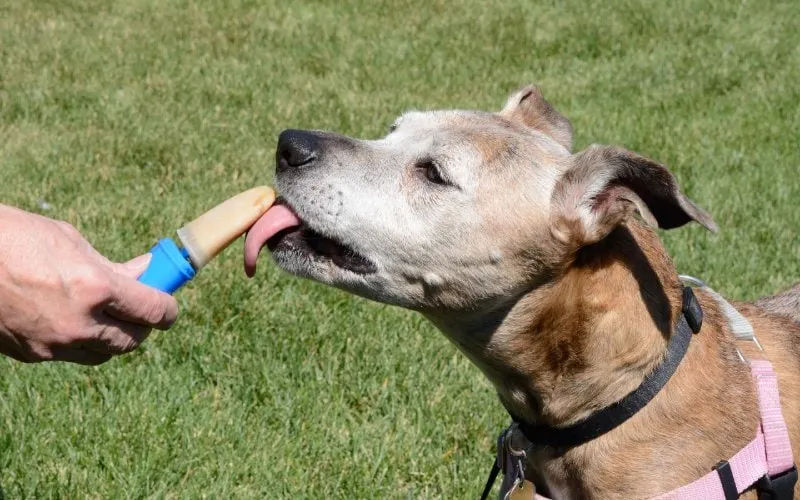
Some dog owners believe using treats is the only way to enforce positive reinforcement. But all positive reinforcement means is rewarding your dog for the things it does right. You don’t have to use treats if you don’t want to. You can use anything your dog is willing to work toward, such as:
Relying on other forms of positive reinforcement besides treats deepens the bond between you and your dog. Your dog won’t look at you as the human Pez dispenser dishing out treats all the time.

The 7 Steps to Teach a Dog to Come Without Using Treats:
Using positive reinforcement is only one part of training. The environment where you train and how you deliver the command also matters. In many cases, the right setting and execution can make all the difference!
So, let’s dive into the seven tips and tricks to teach a dog to come without using treats.
1. Start Indoors
The outdoors comes with several distractions and interruptions. The neighbor dogs won’t stop barking, birds fly around, and loud noises come from afar—not to mention the open space for your dog to run around freely. But when it comes time to learn, it’s close to impossible to get your dog’s attention.
- Apply: To teach the recall command without treats, start indoors, where the distractions are likely fewer, and your dog can focus on completing the task. Offer a treatless positive reinforcement when your dog comes to you.

2. Start With a Collar and Leash
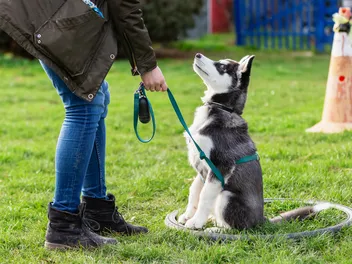
Even indoors, your dog can run around the house freely with its favorite toy. Using a collar and leash can help minimize distractions further by limiting how much space your dog has to roam. It also forces you and your dog to focus on each other rather than what’s happening around you.
- Apply: To start, you want to ensure the leash is around 6 feet long. This offers plenty of distance between you and your dog. Check that the collar is comfortable, too.
The following video teaches how to train your dog to come using a collar and leash.
Offer treatless positive reinforcement each time your dog comes. Once your dog masters the command on the collar and leash, you can practice the command without these items.
3. Use Hand Commands
For some dogs, using hand signals is more effective than using the voice to train a command. You might have to give a command when it’s noisy. Or maybe you want to enter your dog into a dog competition someday. In any case, a hand signal can be easier for dogs to understand. Some see better results and don't need to use treats as much.
- Apply: Start with your hand at your side. Your hand should be open, palm facing forward. Bring your hand up to your opposite shoulder in a diagonal motion while saying “come.” You may have to start with using a treat until your dog understands the hand signal. Over time, you can offer a treatless reward.
4. Reduce Treats
Maybe cutting your dog off cold turkey isn’t the best option. Instead, reduce the number of treats you offer during training. Eventually, you can stop giving treats and use a treatless form of reinforcement instead.
- Apply: Cut the treats into smaller pieces. During training, combine praise and affection while offering a treat. Slowly transition the treats out of the training routine but still offer praise and affection when your dog completes a command.
5. Use the Lottery System
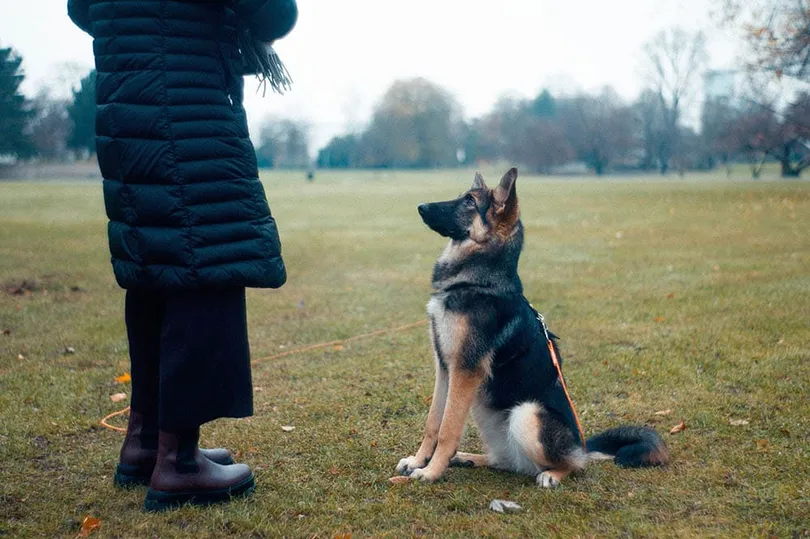
The lottery system is one way to reward your dog with treats instead of cutting the treats out completely. With this system, you sporadically reward good behavior throughout the training session with treats, praise, and affection. The goal is for your dog to not know if it gets a treat and to obey the command anyway. Eventually, you can stop the treats cold turkey when your dog learns the command without treats.
- Apply: Begin each training session with a treat. Randomly reward your dog with treats when it follows through on the command. For instance, when you say “come” and your dog obeys, offer a treat but withhold a treat the next time your dog obeys. Remember to offer the treat with love and affection. This is a reward your dog gets each time it obeys the command.
6. Don’t Settle for Halfway
Sometimes when training our dogs, we think what they are doing is good enough and offer a treat even though the command wasn’t truly followed. For some owners, this might mean getting your dog’s attention but not requiring your dog to come to you.
Giving your dog some grace is important, but we can’t do it all the time. Otherwise, your dog gets a treat and never learns the command entirely. Your dog may think that “come” means it should be able to see you, and that’s it. That’s not good!
- Apply: The key here is consistency. When you want your dog to come, ensure your dog comes to you. Don’t offer a treat if this is not followed. You’re welcome to offer a treat when your dog follows the command fully and then transitions away from treats later.
7. Watch Out for Negative Associations
Suppose you only use the “come” command when your dog is in trouble. In that case, your dog won’t be interested in following the command during training, regardless of if treats are offered.
As dog owners, we sometimes forget that our dogs learn through association. Maybe our dogs are good most of the time, and we don’t need their attention. But all this implies is that the word “come” is a bad command. Our dogs are less likely to obey us if what follows is punishment.
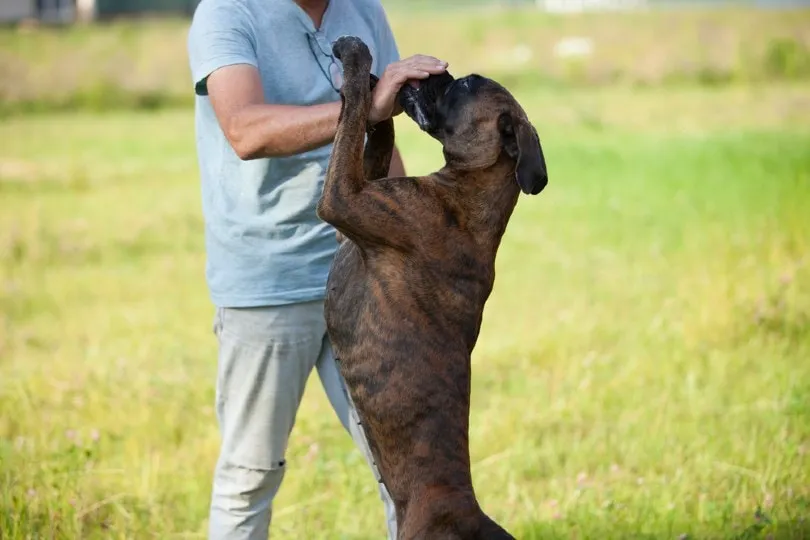
- Apply: During the day, sporadically have your dog come to you. Offer affection, love, and playtime with a favorite toy each time your dog comes to you. Eventually, your dog will learn that “come” is a good form of discipline.
In Conclusion
Training a dog isn’t easy, but that doesn’t mean you have to use treats all the time. Ultimately, your dog wants to please and build a relationship with you. And that starts with love and praise- treats are just a tool! Verbal praise, affection, and playtime are just as effective as delicious, mouth-watering treats.
So, next time you train your dog, consider putting the treats away. If you don't get very far, that's okay. Your dog will get the hang of it eventually.
Sources
Featured Image Credit: Africa Studio, Shutterstock
Expert dog care, straight to your inbox
News, insights, expert advice, and everything dog.

No spam — unsubscribe anytime.
By signing up, you agree to our Terms & Conditions and Privacy & Cookies Policy.
How useful was this post?
Click a star to rate. You can leave written feedback afterwards. (We read all feedback.)
Cassidy is a vet tech and professional pet sitter turned pet writer whose passion is all things animals, both domestic and wild. She’s had a multitude of pets over the years and loves writing about the animal-human bond. She and her husband now live in Wichita with a German Shepherd named Raven, two cats, Lucy & Strudel, and a few backyard chicks.