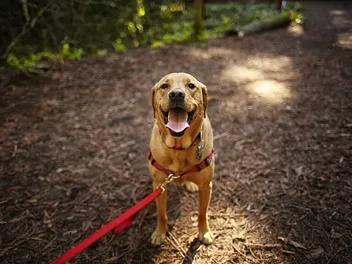
How to Train a Dog Not to Run Away When Off-Leash: 5 Vet Approved Tips


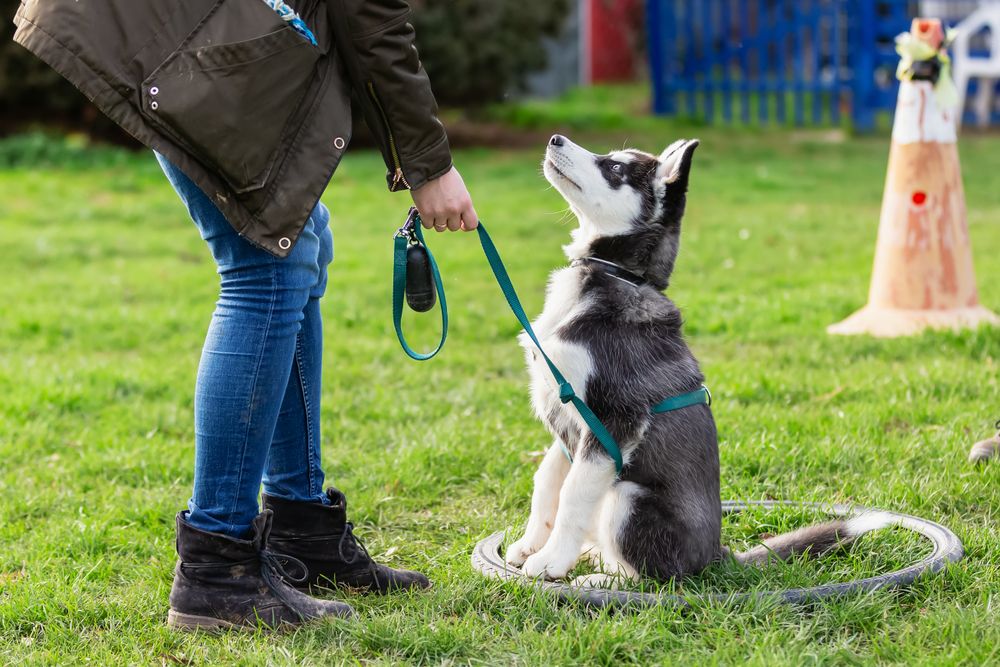
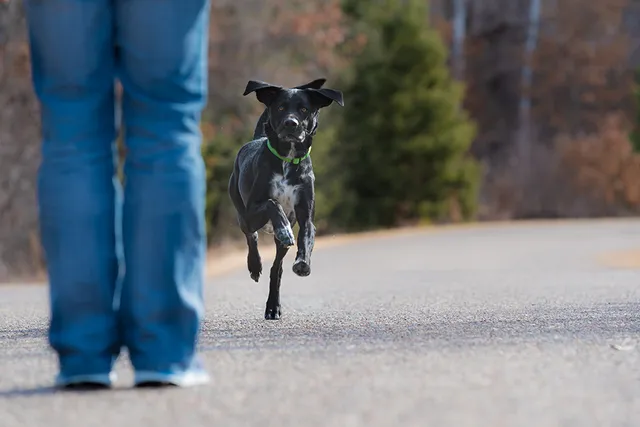
An off-leash walk with your dog is one of the ultimate goals of ownership, but our pets are rarely ready for that kind of freedom from the get-go. Dogs love to run, chase, and play. They'll take off without a second thought when they don’t have any reason to do otherwise.
It’s a scary situation for any owner, and it can quickly result in your dog or someone else getting hurt. Although it can be an uphill battle against your dog’s entrenched nature, training a dog to stay close is possible even for inexperienced owners. Keep in mind that without a leash, nothing is guaranteed, as your dog has absolute freedom.
This breakdown of how to train a dog not to run away when off-leash will help you regain your confidence with your pup while out in public.

Why Does My Dog Run Away When Off-Leash?
Although most dogs will likely wander off if they have zero training or understanding of the value of returning to you, some can be more challenging to teach than others.
Common reasons dogs may run away while off-leash include:

The 5 Tips on How to Train a Dog Not to Run Away When Off-Leash
Training a dog not to run away when off-leash involves making their reason for bolting less rewarding than staying by your side. Whatever the stimulus for their behavior, you can feel better about letting your dog loose if you show them that being close is safe and reliably advantageous.
1. Train On-Leash Walking

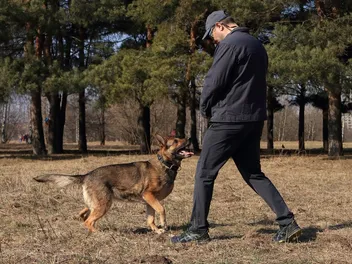
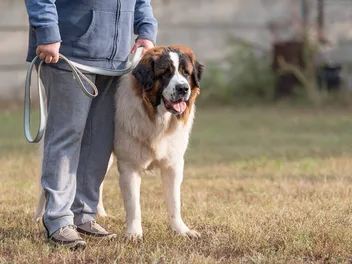
Before trusting your dog off-leash, ensure they trust you. You can work on their leash manners to get them to want to stay by your side. Teach and practice principles like heeling on a lead and checking in. Don’t let your dog get away with pulling on the leash or ignoring you.
Mark and reward your dog for making eye contact and following your lead while walking. Giving your dog practice in frequently checking in and making it rewarding will help them be more deferential when they go off-leash.
Take notes of anything that your dog seems to react to, whether their reaction is chasing or running away. These are important triggers to avoid when your dog is off-leash. It is also worth desensitizing your dog to such triggers so they aren’t phased by them when off-leash.
2. Obedience Train Your Dog
Building a bond with your dog and developing obedience through training can make it easier for them not to run away. Teach the essentials like “sit,” “stay,” “down,” and “place” alongside fun tricks and tasks that can give your dog a sense of purpose. You’ll make your presence and guidance more rewarding and give you more tools to use when you need your dog to stay by your side.
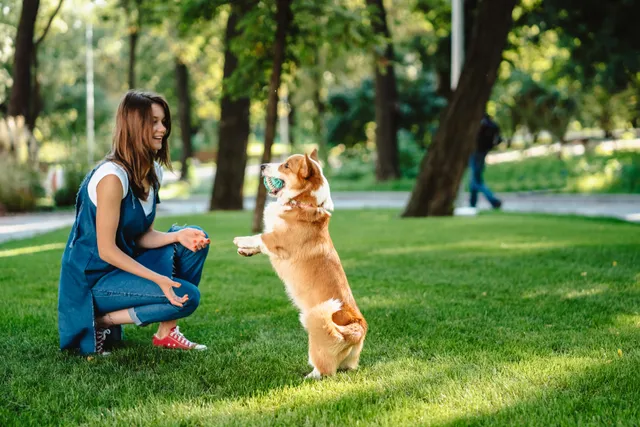
Training tricks can sometimes be a backup when your recall doesn’t seem to work. If your dog loves to do tricks, calling for them to jump in your arms or run through your legs can be a clever way of regaining their attention and getting them back to you.
Using positive reinforcement is the best way to train your dog. If your dog is food-motivated, some treats will work nicely as a reward. If your dog prefers toys and games to food, you can also use these to reinforce good behavior, but you need to make it fun for them.
3. Train Recall

A solid recall is foundational if any of your off-leash walking dreams are to come to fruition. Here, you pick a cue word, like “come,” and pair it with a treat so your dog will come running, making a positive association between the word and rewards.
How to Train Recall
Start training at short distances with minimal distractions to hold your dog’s focus. As your dog fortifies the association through repeated “cue-come-treat” practice, you can add distractions and distance. Eventually, you can train your dog with a long leash in public spaces.
You can enlist a friend to help create controlled distractions. Alternatively, you can take your dog to a park, keeping them on a long leash and far enough from stimuli where they may notice them but won’t run off. Practicing this daily in different settings will maintain your dog’s responsiveness and help them generalize the behavior.
4. Train an Emergency Recall
An emergency recall is a unique recall to use only in cases where recalling your dog is a matter of severe importance. While you’ll use your standard recall to have your dog come into the house from your fenced-in yard or return to you at the dog park, the emergency recall will come out if your dog is running toward a busy road or went out of sight in an unknown area.
Emergency recalls are supposed to be the most reliable recall possible. To train them, you must make the return as rewarding as possible.
How to Train an Emergency Recall
5. Pay Attention to How and When You Use Your Recall

You can devalue your recalls and make your dog less likely to come to you if you misuse the recall at the wrong time.
Don’t Poison the Recall
Poisoning the recall cue can happen if you rush the training and don’t solidify your dog’s understanding. If you repeatedly yell, “Come, come, come,” and your dog doesn’t respond, you’re creating the wrong meaning of the cue, making it less effective.
Improper use can also poison the recall cue. You may use the recall to have your dog come to you for bathing, nail trimming, or teeth brushing. If you’re at the dog park, you might use your recall before taking them home, signaling that fun time is over.
Recall in these instances isn’t beneficial in your dog’s eyes, pushing them to view the cue as a potential precursor to punishment. Always make the recall rewarding.
Always Reward the Emergency Recall With High-Value Treats
Recall must be reliably successful and rewarding for your dog. While you may phase out the treat for your standard recall and offer it only occasionally once it’s well-established, you must always give outstanding rewards for the emergency recall.
If you don’t have high-value treats, shower your dog with regular treats or give them overflowing praise and affection. Offer them a high-value reward as soon as possible.
Train a New Recall Word if Needed
If you feel like you must repeat your cue to get your dog to return, you can return to a previous step with less distance or distraction, where your dog can be successful. You can then solidify at that stage and continue building again.
Training a new word from square one is often the best choice should you feel you have a poisoned cue. Pick a unique word and train it as the recall, ensuring you don’t make the same mistakes that poisoned your first cue.
Practice and Reinforce
Practice your standard recall daily and the emergency recall one to two times weekly, using appropriate treats each time. Reinforcing the recall frequently will maintain the cue’s value in your dog’s mind, making it easier for them to return when you need it.

Final Thoughts
Even the most well-trained dog has a minute chance of running away when off-leash, making it the owner’s responsibility to know their pet’s limits and set them up for success. Understand your dog’s reasons for running off, maintain a routine with plenty of exercise and training, and don’t hesitate to put your pet on a leash when you’re unsure how they’ll act in a situation. While off-leash walks are the goal, knowing when to take control can save your dog’s life.
Sources
Featured Image Credit: Christian Mueller, Shutterstock
Expert dog care, straight to your inbox
News, insights, expert advice, and everything dog.

No spam — unsubscribe anytime.
By signing up, you agree to our Terms & Conditions and Privacy & Cookies Policy.
How useful was this post?
Click a star to rate. You can leave written feedback afterwards. (We read all feedback.)
Nicole has loved animals of all sizes her whole life so it's no wonder she has dedicated her career to helping them through what she loves best: learning, writing, and sharing knowledge with others. She’s the proud mom of two dogs, a cat, and a human. With a degree in Education and 15+ years of writing experience, Nicole wants to help pet parents and pets around the planet to live happy, safe, and healthy lives.