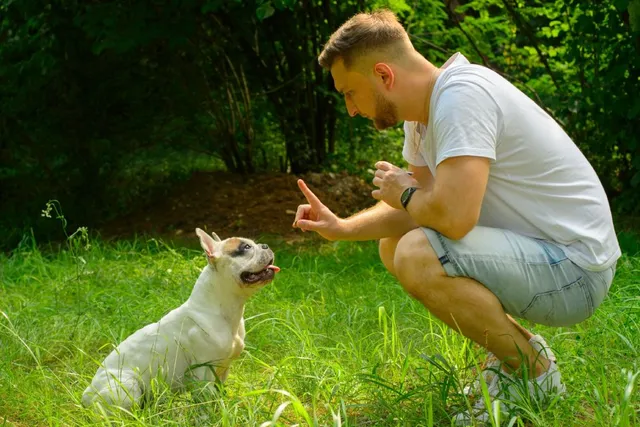
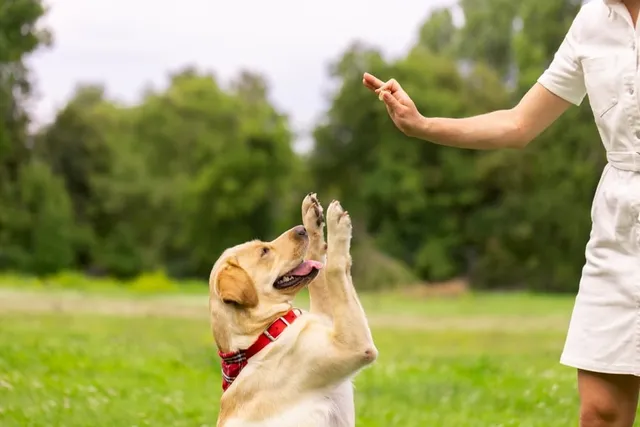
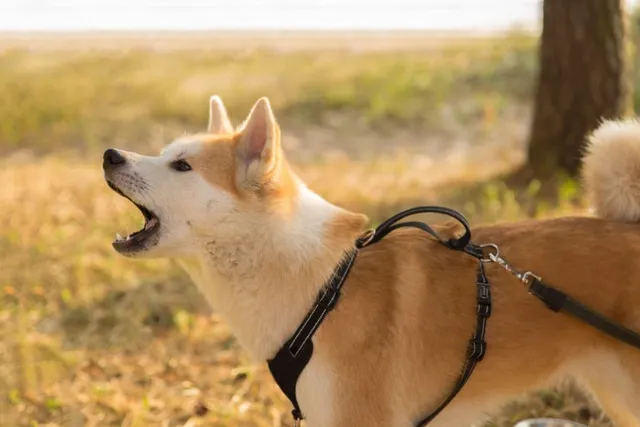
How to Teach a Dog to Speak: Step-by-Step Guide


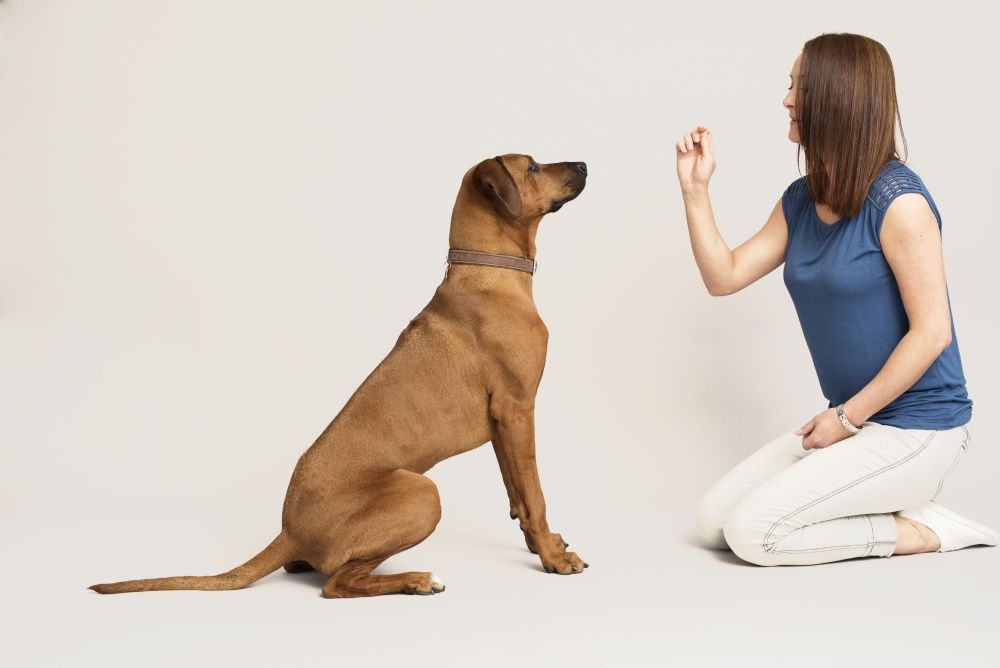
Teaching your dog to “speak” or bark on command is a fun trick and may help some dogs learn better bark control when paired with a clear “quiet” cue. When you have the cue for “speak” down, you can reward your dog for barking just once and then cue “quiet” to stop chain barking that goes on for several minutes.
Barking is instinctual for dogs, so this is a relatively simple trick to teach. Here’s a step-by-step guide to teach your dog to speak on command.

Before You Start: Get the Supplies You’ll Need
Thankfully, you do not need too many supplies to teach your dog to speak.
- High-value treats or a toy
- A clicker (optional for clicker training)
No doubt you have treats on hand, but getting a clicker to help with the training might be a good idea.

Step-By-Step Guide for Teaching Your Dog to Speak
1. Trigger the Bark
It’s easiest to begin with something that naturally causes your dog to bark, such as ringing the doorbell or knocking on the front door. Keep the setup calm and controlled, and avoid repeatedly triggering intense excitement or distress. Encourage a single bark and remain relaxed so your dog learns the behavior without becoming overly aroused.

2. Mark the Behavior
When your dog barks in response to your trigger, mark with a clicker if you’re using clicker training or use a verbal marker like “yes” immediately after the first bark. Provide a treat immediately after your mark. Repeat this step multiple times.
3. Add a Verbal Cue
When the bark consistently occurs in response to the trigger, you can add a verbal cue like “speak” or a hand signal like pointing to your mouth. Use the cue, then trigger the bark. Mark and reward the bark with a treat. Repeat multiple times.

4. Remove the Trigger
By now, your dog should be getting the hang of it, and you can begin to fade out the trigger. To do this, increase the time between giving the verbal or hand cue and triggering the bark. Pause for a few seconds, and your dog may begin to bark after the cue but before you add the trigger.
5. Practice the Trick
That’s all it takes to teach a “speak” command! Make sure to practice regularly using short, calm sessions and reinforcing only one bark per cue to keep your dog sharp.

Tips for Success
Teaching your dog to speak is a straightforward trick, but it can be tricky if your dog has a history of nuisance or demand barking that you’ve tried to reduce in the past.
Here are some tips to help training go smoothly:
Final Thoughts
Teaching your dog to bark on cue is a helpful trick that builds your bond and shows your dog how to communicate with you. Because barking comes naturally to most dogs, ou have to be consistent, clear, and calm with your training to teach a single bark instead of continuous barking.
Sources
Featured Image Credit: Ann Taylor, Shutterstock
Expert dog care, straight to your inbox
News, insights, expert advice, and everything dog.

No spam — unsubscribe anytime.
By signing up, you agree to our Terms & Conditions and Privacy & Cookies Policy.
How useful was this post?
Click a star to rate. You can leave written feedback afterwards. (We read all feedback.)
Nicole has loved animals of all sizes her whole life so it's no wonder she has dedicated her career to helping them through what she loves best: learning, writing, and sharing knowledge with others. She’s the proud mom of two dogs, a cat, and a human. With a degree in Education and 15+ years of writing experience, Nicole wants to help pet parents and pets around the planet to live happy, safe, and healthy lives.