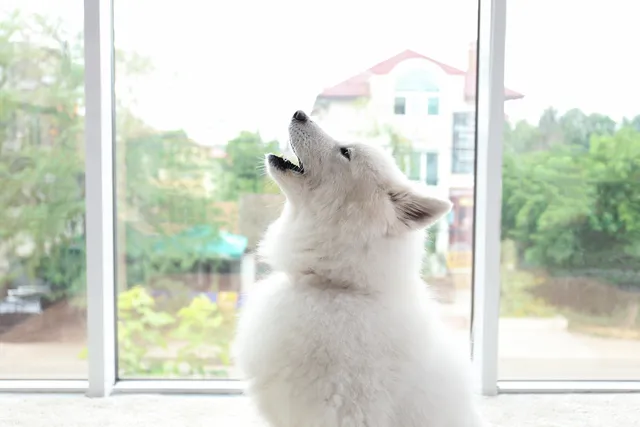
How to Teach a Dog to Howl: 5 Vet-Approved Tips & Tricks



While some pet owners prefer their dogs not to howl, many think it’s fun to teach their pets, and sometimes they’ll howl right along with them.
Also, many expert dog trainers recommend that pet owners with problem howlers have a command that tells the dog when it’s okay to howl and when it isn’t. While that might sound a bit strange, experts say it works when you’re trying to stop your dog from howling!
So, how do you teach your dog to howl? In this article, we’ll give you five tips and tricks to achieve your goal. Keep in mind that not all dogs naturally howl, and some may be less responsive to sound-based training than others, so results can vary depending on your dog’s individual temperament and vocal tendencies. If your dog howls naturally in response to sounds like sirens, music, or other dogs, you can take advantage of this by adding a verbal cue and rewarding the behavior when it happens. This training approach is called capturing and can be paired with sound triggers to help your dog learn to howl on cue. Remember, teaching your dog how to howl can be a great bonding experience, especially if you join in.

The 5 Tips & Tricks to Teach Your Dog to Howl
1. Lead By Example
Believe it or not, leading by example is the simplest way to get your furry friend to howl. Once you decide to howl at your dog, it probably won’t be long before the dog is howling right along with you, as some dogs respond to howl-like sounds through social facilitation or sound stimulation.
It’s helpful to have a verbal cue for your dog that signals when it’s okay to howl, so it knows when it’s okay and when it isn’t. Practice howling together at least once a day using the verbal cue you’ve set up for the best results.

2. Watch Videos of Dogs Howling
Everyone has watched YouTube videos with dogs howling, so why not watch them with your furry companion? Your dog may want to join in the fun and howl along with the dog on the TV or computer screen.
However, if they don’t join in, try howling at the TV or computer screen yourself. It is important to remember that if your dog likes howling at the screen, they might howl every time a dog howls on TV, and you need to have cues to redirect or stop the behavior.
3. Listen to Music
Even the music you listen to can help encourage your canine companion to howl if it stimulates a vocal response. Test out different genres of music, switching gradually until you figure out which one entices your dog is most likely to respond to.

4. Play Sounds that Trigger Howling
Several online videos feature sounds, such as sirens, other dogs howling, rain, wind, and even sounds of crickets and birds chirping. Filter through the videos until you find the sounds that your dog responds to with howling, then enjoy howling together whenever the sounds are played.
5. Musical Instruments Can Trigger Howling
Playing the guitar, drums, violin, or any musical instrument can be one possible way to encourage your dog to howl. Experiment with different music and harmonies to see which ones your dog responds to; then, you can make beautiful music together.
These are just five of the best ways to teach your dog how to howl and have fun together with the task. However, you don’t want your dog to howl excessively or in inappropriate situations.

Unwanted Howling From Your Pet
Now that you’ve taught your dog how to howl, it must know when howling is allowed and when it isn’t. It’s most effective to discourage unwanted howling through consistent reinforcement and management. Don’t praise them when the howling isn’t wanted, and praise them when it is.
If that doesn’t work, redirect your dog and reinforce an alternative, incompatible behavior, such as holding a ball in their mouth, when it howls at inappropriate times. This will let your dog learn that howling isn’t acceptable unless you’ve given the cue.
In Summary
Our howling tips should have your canine learn the behavior over time. Remember, while howling is fun, entertaining, and a great way to bond, you need to establish cues for your furry friend regarding when it’s okay and when it isn’t for the best results.
Featured Image Credit: Lenka Molcanyiova, Shutterstock
Expert dog care, straight to your inbox
News, insights, expert advice, and everything dog.

No spam — unsubscribe anytime.
By signing up, you agree to our Terms & Conditions and Privacy & Cookies Policy.
How useful was this post?
Click a star to rate. You can leave written feedback afterwards. (We read all feedback.)
Nicole has loved animals of all sizes her whole life so it's no wonder she has dedicated her career to helping them through what she loves best: learning, writing, and sharing knowledge with others. She’s the proud mom of two dogs, a cat, and a human. With a degree in Education and 15+ years of writing experience, Nicole wants to help pet parents and pets around the planet to live happy, safe, and healthy lives.