How to Stop a Dog From Barking at Noises: 6 Vet-Approved Ways


In this article
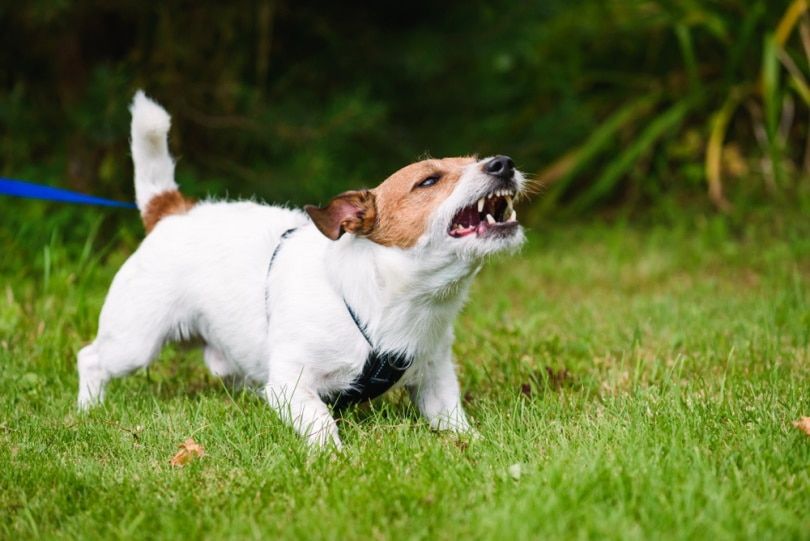
If you often find your dog barking at sounds and disturbances such as the doorbell, television, thunder, or seemingly nothing at all, you are certainly not alone. We simply cannot expect our dogs to never bark. However, some dogs bark excessively and unnecessarily. Our barking best friends can cause several problems for us humans, including noise complaints and frightening small children or visitors. In addition, it can also cause chronic stress or a lack of sleep for your dog.
Thankfully, several methods can effectively help your dog reduce barking at inappropriate times. The first step to accomplishing this is to understand why your dog is barking in the first place. Continue reading to learn why dogs bark as well as how to stop them from barking at every noise they hear.

Why Do Dogs Bark?
Dogs bark as a means of communication for several reasons. What are they trying to say? While figuring out the exact reason may not always be possible, if we can narrow down the reasoning your dog has for wanting to be vocal, it will be much easier to fix the problem.

1. Anxiety
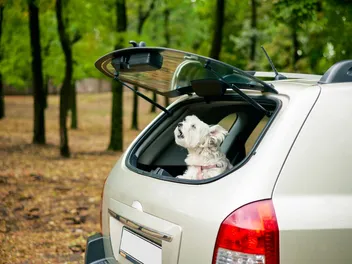
Dogs with separation anxiety often bark excessively when they are left alone. You may find that you have successfully trained your dog to behave while you are at home or out walking around the neighborhood, yet still receive noise complaints while you have left your dog alone at home. This can be a compulsive behavior and tough to spot, as you are not there to notice the barking.
If you think your dog may have separation anxiety, you may notice that your dog exhibits other warning signs as well. These may include destructiveness, chewing household items, and repetitive motions, such as pacing around the house or along the fence. In these cases, it is best to contact a veterinarian.
2. Territorial Behavior
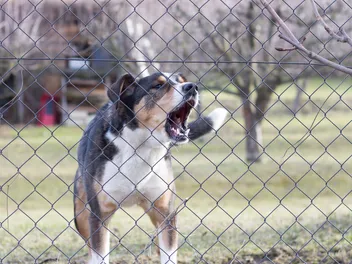
When a person or animal comes into an area that your dog considers their territory, this can trigger excessive barking. The closer something is to a dog’s perceived territory, the more likely it is to trigger barking, though intensity varies by individual dog and situation. When dogs are feeling protective, they usually appear alert and may show heightened arousal, reactivity or defensive behavior. They also bark to alert others in the house that there is something they have seen or heard. Many dogs develop protective behaviors toward their owners due to instinct, bonding, and learned experience.
3. Fear
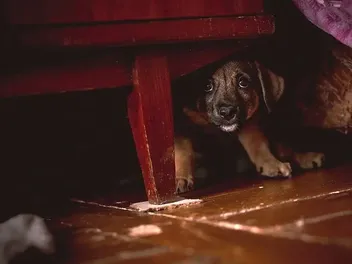
It is natural for a dog to bark at any noise that may startle them or catch their attention, and it does not necessarily have to be within their territory. Sometimes noises may frighten your dog. Signs of fear in dogs include tucking their tail between their legs or holding their ears back, among others.

4. Loneliness and Boredom
Dogs are social animals that evolved from pack ancestors, so many individuals may struggle with being left alone for long periods depending on their temperament and training. Barking can be the result of boredom or separation-related stress when a dog is left alone without sufficient mental or physical stimulation.
5. Playfulness and Greetings
One of the most common causes of barking is greeting anyone who may come to the door, especially after being left alone. This is usually a happy bark that comes with tail wags, kisses, and sometimes jumping.
6. Attention Seeking
Dogs often bark when they are trying to get our attention for something, such as to play or go outside.


The 6 Ways to Stop Your Dog From Barking at Noises
1. Prevention and Desensitization
Preventing your dog from barking, to begin with, is much easier than stopping the barking once it has started. There are several ways that you can prevent your dog from hearing certain noises. This is not recommended as a long-term solution, but it is effective when you have not yet trained them not to bark and are not around to provide feedback.
You can try:
The goal is to reduce your dog’s exposure to triggering noises and, in some cases, help them gradually become less sensitive to background sounds, though results vary by individual dog.
These solutions may not completely drown out the noise but may be beneficial in reducing the barking. In some cases, having the TV on may only increase the barking depending on your dog’s personality.
Also keep in mind that your dog may have anxiety about being left alone, which will only increase the barking. In these situations, it is important to address the underlying issue of separation anxiety, which ultimately will help with barking in the long run. Providing extra exercise and mental stimulation before leaving the house will also promote sleep for your dog and help them to relax while you are gone.

2. Noise Training
Figure out which noises your dog is reacting to and work on creating these noises yourself to get your dog used to hearing them. If your dog is reactive to stomping feet, jingling keys, or doorbells, it is easy to recreate these noises yourself. Start these noises at a low volume while calmly speaking to your dog. Reward calm behavior, such as remaining relaxed or not reacting, with treats.
Slowly increase the level of volume as your dog improves their reaction to the noises you are making. This type of noise training will take a few sessions to condition a new type of response from your dog, so having patience is important.
3. Positive Reinforcement
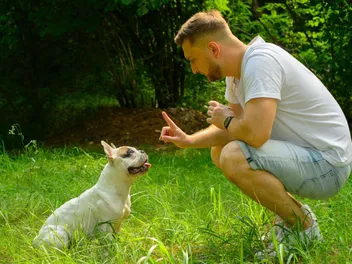
If you can hear a noise before your dog picks up on it and begins to bark, apply the same noise training method above. While we are all guilty of raising our voices to stop our dogs from barking, this not only contributes to the noise level but is also highly ineffective. Speak to your dog calmly and positively, reinforcing calm behavior with a treat at the right moment.
Do this for a few weeks and feed them a treat every time this happens. It is important to be consistent. It may also be a good idea to incorporate a command such as “leave it” or “quiet now” while rewarding your dog. Once your dog gets used to these noises, you can gradually reduce treats, but occasional reinforcement may still be needed to maintain reliable behavior.
In new or startling situations such as fireworks, remaining calm and relaxed yourself is more important than specific words, as dogs respond primarily to your tone, body language, and behavior. Smile and let them know that everything will be okay, reassuringly and calmly.

4. Puzzle Toys
If your dog barks to simply get your attention or because they are bored, try giving them a puzzle toy. This will keep them occupied while you are busy on a work call or simply want some time to yourself. These can be purchased online or at any pet store and are not overly expensive. Besides toys, keeping your dog active physically and engaged mentally is crucial in reducing boredom and undesirable behaviors that may arise from it.
5. Redirect Their Attention
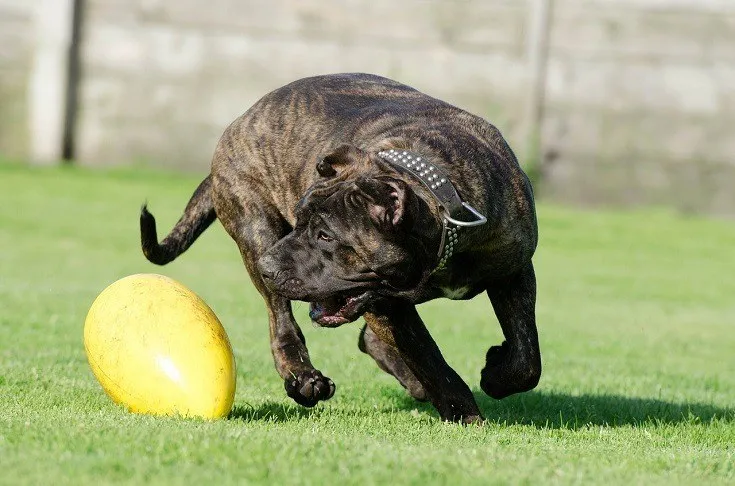
Redirecting your dog’s attention to a ball or treat in your hand can often be an effective way to get them to place their focus on something more appropriate and stop barking. This is most effective when you are anticipating a noise that triggers your dog to bark, such as noticing someone walking up to your door.
6. Work With a Professional
This method is costly; however, it can be the most effective if you are unable to put in the training time and have the financial means to do so. Professionals can help speed up the time it takes to train your pup and cater to their individual needs. They can also help to identify any underlying behavior that may be contributing to the barking.


Bark Collars: Why We Don’t Recommend Them
Using bark collars is a controversial method and a personal decision for everyone, although not something we would recommend. For a device to successfully prevent negative behavior, it must be unpleasant enough for your dog to want to avoid it. Your dog may become fearful of the device itself, which, although it may be effective in reducing barking, may not be good for your dog’s well-being.
Bark collars are generally not recommended by veterinarians and animal behaviorists because they rely on punishment-based methods rather than addressing the underlying cause of barking. This can increase stress, anxiety, or fear in some dogs, especially those already sensitive or insecure. In some cases, dogs may also develop negative associations with normal environmental sounds, people, or situations, which can worsen behavioral issues over time. For this reason, positive reinforcement training is typically preferred as a more humane and long-term effective approach.
Bark collars are designed to interrupt barking using an aversive stimulus such as vibration, sound, or static stimulation, but they can vary in intensity and may not be suitable for all dogs.
What to Do When Your Dog Barks to Go Outside
If this is a behavior that you are looking to eliminate, train your dog to jingle a bell that hangs from the doorknob instead. You can do this by showing them the bell, ringing it, and giving them a treat. Whenever they touch the bell themselves, reward them and open the door in a controlled and consistent way to avoid reinforcing excessive or attention-based ringing. Over time, many dogs can reduce their reliance on treats, but occasional reinforcement may still be needed to maintain the behavior reliably.
What to Do When Your Dog Barks at Other Dogs
Many dogs bark or become excited when walking past another dog while out for a walk. Have a friend with a dog stand at a distance where your dog can notice the other dog but remains calm and responsive. As your friend and the other dog walk closer and come into view, begin to feed your dog treats.
This helps your dog form a positive association with the presence of other dogs rather than simply acting as a distraction during the encounter. Once your friend and their dog disappear, stop giving your dog the treats. You will need to repeat this process multiple times, and do not try to rush the process. It may take quite some time for your dog to redirect their attention to you and shift it away from the other dog.

A Few Things to Remember
Whether you are training a new puppy or an older dog, it is important to be patient. Barking is an ingrained response in dogs and will require effort and consistency to change. The longer that your dog has been practicing these behaviors, the longer it will take to change and reduce.
Remain positive. Rewarding your dog and positively speaking to them is much healthier and more effective in the long run. Do not yell at your dog when they bark, as it will confuse your dog and your dog may think that you’re joining in on the fun. It is also important to ensure that every member of the household is on the same page so that you remain consistent.
Remember, as a dog parent, it is your job to advocate for your dog and take the best possible care of them as possible. This includes preventing them from being in situations that you know will make them feel anxious, uncomfortable, or stressed.

Final Thoughts
Our dogs bark because they are trying to tell us something—that they are overwhelmed or have an unmet need. The methods mentioned above may require trial and error depending on how your dog responds and their overall temperament and individuality. Figuring out why they are barking in the first place can give you a better idea of how to prevent the problem altogether.
See Also:
My Neighbor Is Complaining About My Dog Barking: Things To Do Next
Why Does My Dog Bark in His Sleep? Imagining Their Dreams (Vet-Reviewed)
Featured Image Credit: alexei_tm, Shutterstock
Expert dog care, straight to your inbox
News, insights, expert advice, and everything dog.

No spam — unsubscribe anytime.
By signing up, you agree to our Terms & Conditions and Privacy & Cookies Policy.
How useful was this post?
Click a star to rate. You can leave written feedback afterwards. (We read all feedback.)
Nicole has loved animals of all sizes her whole life so it's no wonder she has dedicated her career to helping them through what she loves best: learning, writing, and sharing knowledge with others. She’s the proud mom of two dogs, a cat, and a human. With a degree in Education and 15+ years of writing experience, Nicole wants to help pet parents and pets around the planet to live happy, safe, and healthy lives.