How to Stop Demand Barking: 5 Vet-Approved Tips



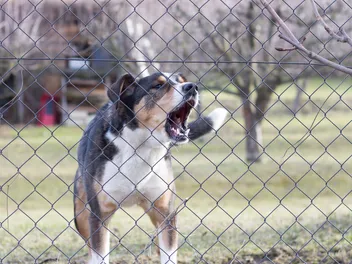
If you are unable to get work done in peace, eat dinner, or watch TV without your dog barking at you, you might have a problem with demand barking. Rest easy knowing that you are not the only one. Demand barking is one of the most common problems pet owners face with their dogs.
Dogs may bark to communicate needs or seek attention, whether they want to play or are bored. Demand barking can drive you and the neighbors crazy if it is constant or left to go on for too long. In this article, we’ll discuss what causes demand barking and give you a few tips to manage it.

What Is Demand Barking?
Demand barking is usually a dog’s way of getting what they want. It can mean they want anything from a toy to a treat to get your attention. Dogs may also bark to alert their owners to unfamiliar sounds or changes in their environment, which is different from demand barking. Alert barking can be a normal communication behavior in dogs, while persistent demand barking can become problematic.
Causes of Demand Barking
There are a few things that can cause demand barking.
- The dog wants attention and has learned that barking results in attention
- The dog wants to go outside and play
- The dog wants food
- The dog wants to play with another dog that’s not interested


How to Stop Demand Barking in 5 Effective Tips
While having your dog communicate with you through barking is sweet and cute, it’s not a habit you want to encourage, as it will soon be all they do. Here are a few tips to help you stop demand barking in its tracks.
1. Don’t Tell Your Dog to Be Quiet
While it may be tempting to tell your dog to be quiet or hush, that’s often still providing attention, which can reinforce demand barking. When you respond to the dog barking, they may learn that barking results in attention, which can increase the likelihood that they will repeat the behavior.
2. Investigate the Cause
If this is constantly happening with your dog, maybe it’s time to investigate the cause of the problem. If your dog is steadily barking to get your attention, spending more time with them and providing appropriate interaction and enrichment may help them relax. If they're bored and restless, maybe it’s because you’re not taking them outside for sufficient physical activity or mental stimulation. Try finding the cause of the demand barking before trying other tips on the list.
3. Put Barking Under Stimulus Control
You can train your dog so that barking happens only when you ask for it and stops when you give a cue. Teaching your dog clear cues for barking and for quiet helps create predictable rules around when barking is appropriate. For example, you can teach a cue such as “speak” for barking and another cue such as “quiet” for stopping.
Start by rewarding your dog for barking when you give the cue. Then introduce the quiet cue and reward your dog when they stop barking and remain silent. With practice, your dog learns that barking is only rewarded when it happens on cue.
Ignore barking that happens without the cue, since responding to it can reinforce the behavior. When your dog becomes quiet, you can provide a treat, toy, or attention to reinforce the calm behavior. Over time, this helps your dog understand when barking is appropriate and when silence is expected.

4. Speak to a Specialist
If none of the tips above do anything to stop your pet from demand barking, the first thing you need to do is take them to the vet to help rule out potential medical causes that could contribute to increased vocalization. If there isn’t, it might be time to talk to a behavioral specialist. A trained specialist can help you identify triggers and develop a behavior modification plan to help reduce your dog's barking.
5. Be Patient
It's also important to be patient and loving with your canine pal. Excessive barking is very hard to break, and it will take time. Start with clear boundaries, investigate the cause of the barking, and ensure your dog gets plenty of attention, exercise, mental stimulation, and playtime.


Conclusion
It’s aggravating when you’re trying to watch TV, read, or cook a meal, and your dog stands in front of you barking. While there are reasons behind demand barking, it’s important not to unintentionally reinforce the behavior. If you let your dog get into the habit of barking for whatever they want, they may begin to repeat the behavior because it successfully gains attention or rewards. Treat your dog with love and patience, and use positive reinforcement when training to highlight the importance of calm or quiet behavior.
Sources
Featured Image Credit: dikkenss, Shutterstock
Expert dog care, straight to your inbox
News, insights, expert advice, and everything dog.

No spam — unsubscribe anytime.
By signing up, you agree to our Terms & Conditions and Privacy & Cookies Policy.
How useful was this post?
Click a star to rate. You can leave written feedback afterwards. (We read all feedback.)
Patricia is an experienced pet writer and lifelong animal lover. When she isn’t writing, Patricia enjoys spending time with her pets, cats Binx and Link and dog Mystery. Mystery and Link have been with her since birth. Binx was found under her house as a kitten and promptly welcomed into the family. Patricia enjoys volunteering at her local rescue shelter and sharing her extensive knowledge of pets.