My Dog Is Having Pee Accidents in the House: Vet-Reviewed Causes & What to Do


In this article
Housetraining a puppy can be quite challenging at times, but once they are consistently eliminating outside, you figure that things should be fairly smooth sailing from that point on. But now your completely housetrained adult dog is suddenly urinating in the house. What happened?
Several issues that can lead to a housetrained dog peeing inside, and these can be behavioral or medical. Here, we get into what can cause a dog to pee in the house and the actions that you should take to ensure that your dog is okay.

What Can Cause a Dog to Pee in the House?
When an adult dog starts peeing inside, it is also known as “inappropriate urination.” If your dog is still fairly young, it might be as simple as brushing up on their housetraining lessons.
But if your dog has been successfully housetrained, and peeing in the house has happened out of the blue, you’ll need to figure out the cause. Ensuring that you properly clean up accidents as soon as they happen can also prevent them from reoccurring since dogs can be prone to scent marking. We recommend using an enzyme spray designed specifically for cleaning up pet messes.
Our Favorite Cleaner
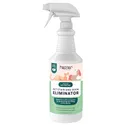
Hepper Advanced Bio-Enzyme Pet Stain & Odor Eliminator Spray is our favorite all-purpose cleaner for pet messes. It permanently lifts the very worst stains and odors, making clean-up and accident prevention a breeze. Hepper offers a 100% guarantee, which is a great bonus! Learn more about it here.
| Rating | Image | Product | Details | |
|---|---|---|---|---|
Best Enzymatic Cleaner
 |
|
Hepper Advanced Bio-Enzyme Pet Stain & Odor Eliminator Spray |
|
Check Price |
At Dogster, we’ve admired Hepper for many years, and decided to take a controlling ownership interest so that we could benefit from the outstanding products of this cool pet company!
First, it’s best to rule out any potential health issues before considering behavioral problems.
Potential Health Issues
If you're fairly certain it is a medical problem, make an appointment with your vet straightaway. The following are all health issues that can lead to a dog urinating in the home.
1. Urinary Tract Issues
A common causes of inappropriate urination is a urinary tract infection (UTI). UTIs develop when bacteria enter the urethra and urinary tract, leading to inflammation and pain.
Unfortunately, UTIs are among the most common health problems in dogs, particularly females.
The signs of a UTI, other than peeing in the house, can include:
If left untreated, it can lead to a more severe infection, and the signs can also include:
- Lack of appetite
- Lethargy
- Fever
- Vomiting
Other urinary tract problems can include inflammation of the bladder (cystitis) caused by bladder stones, crystals in the urine, and tumors.
Most of these conditions can be treated with diet changes, medications, and in more serious cases, surgery.

2. Age-Related Issues
As dogs age, their bodies undergo various changes, which can lead to urinating in the house. Some older dogs might experience dog dementia or other neurological or cognitive disorders that commonly cause confusion and loss of house training.
Incontinence is also quite common in older dogs and is the involuntary release of urine. In most cases, they don’t even know that they are urinating. It can also occur in younger dogs, but seniors tend to be more likely to experience incontinence. Many owners with senior dogs use doggy diapers and line their pet’s bedding with pee pads.
You should also see your vet as your dog ages, as it requires a change in diet along with medication and other interventions.
3. Joint Problems
Dogs with joint issues, particularly arthritis, might experience joint pain and won’t be quick enough to get outside to do their business.
Even knowing that they will experience pain when they attempt to get up can cause the dog to urinate where they are to avoid the pain.
Your vet can prescribe anti-inflammatory medication, injections, a change of diet, and/or supplements to help ease the joint pain.

4. Underlying Health Conditions
Several health conditions can lead to inappropriate urination: Cushing's disease, diabetes, kidney disease, liver disease, and issues with the prostate.
See if your dog is peeing in the house and has any of the following signs:
If so, they should be seen by your vet, who will likely run diagnostic tests to determine the condition. The treatment will depend on the diagnosis.

Potential Behavioral Issues
It’s not always health problems that can lead to a dog peeing in the house, but it can be a behavioral issue.
5. Submissive Urination
Unfortunately, a dog peeing as part of submissive behavior can be common in adult dogs. Dogs that have been abused in the past or live in a home with multiple dogs can be particularly prone to this.
Submissive urination occurs because they are not the dominant animal in the house. Furthermore, dogs from an abusive environment, as is sometimes the case with rescue dogs, are more likely to pee when someone is standing over them and looking down.
Loud and angry voices can lead to submissive behavior, which includes the dog tucking their tail in between their legs, crouching, and rolling over to expose their belly.

6. Excitement Urination
The main difference between submissive and excited urination, also called “happy peeing,” is that the dog is peeing out of excitement rather than fear. They are typically overstimulated in their current environment.
Triggers can be when you come home, when they are around other dogs, when someone comes to visit, or when waiting for a favorite toy or treat. This is usually something that might just happen on occasion and be nothing to worry about for the most part.
7. Marking Behavior
Urine marking can occur at almost any age but is most common in young male dogs that haven’t been neutered.
Marking behavior is initiated to claim territory and might be done when changes occur in the home. If something new is added to the home, such as a roommate, baby, new pet, or even furniture, some dogs might mark the area where the pet, furniture, or baby has been.
Most marking should stop when the dog is fixed, but it can also become a habit and might continue. It might continue if previous accidents haven't been properly cleaned and your sensitive dog's nose can still smell traces of their urine. Enzyme cleaners can eliminate all odors.

8. Weather-Related Issues
Some dogs just don’t want to go outside to urinate if it’s raining or snowing. If a dog is reluctant to go outside, whether it’s a soft, gentle rain or a crashing loud thunderstorm, they might be more inclined to pee inside to avoid the outdoors.
Other weather extremes, such as if it’s very hot or windy, might make some dogs hesitate about heading outside.
9. Fear and Anxiety
Some dogs have more extreme fears and anxieties than others and can urinate inside for this reason. Stress-related events include dealing with visitors that they don’t know (humans and/or pets) or loud events that occur, like fireworks going off.
Other signs that a dog is overly anxious and stressed can be restlessness, change in appetite, and panting more than usual.

10. Mental Housetraining Setback
This is more likely to occur in younger dogs, even if they’re fully housetrained. Changes like a rescue dog going from a foster to a forever home or moving to a new foster home can sometimes cause setbacks.
Bringing a new puppy into the home can additionally cause issues with the adult dog that is already housetrained.
Here’s What to Do to Stop Your Dog From Peeing in the House
There are a few steps that you can take to help your dog with this issue. If it’s resulting from a health condition, they need to see your veterinarian. When the health problem is treated, the inappropriate urination should stop.
If it's behavioral, we have a few tips you can try at home.
Repeat Housetraining
You can repeat the housetraining steps if it seems that your dog has reverted. This should include the usual steps, such as taking them outside after eating, drinking, and napping. Don’t forget to use their favorite treats to reward them when they get it right. For older dogs with cognitive problems, this is unlikely to work though.

Figure Out the Triggers
Try to understand what is causing the behavior. If it’s something that you can control, you’ll need to eliminate it or work on your dog’s desensitization. This is a form of slowly getting your dog used to whatever is triggering their anxiety.
You can use things like white noise or instrumental music to help drown out external noise that is upsetting your dog.
Only Do Positive Reinforcement
Just like every bit of training that you do with your dog, continue to use positive reinforcement. As frustrating as it can be to retrain your dog, getting angry won’t help either of you. In fact, it will likely make things worse.
Get Professional Help
If you’re struggling with retraining your dog or can’t figure out why they are peeing in the house, it might be time to get an expert involved.
Speak to your vet, or hire an animal behaviorist or dog trainer. A professional might be able to understand where the behavior is stemming from and give you guidance to help you and your pup.
Use the Right Cleaner
You likely used this when housetraining your puppy the first time: an enzymatic cleaner. This helps eliminate the smell of the urine entirely so your dog won’t keep going back to the same spot to continue urinating on it.
Don't forget to check the instructions to ensure that it's safe to use on the surface that you're cleaning.

- ADVANCED ENZYMATIC CLEANER - Penetrates the most stubborn smells and stains at the deepest molecular levels to dissolve any pet mess you encounter and lift it away at the source.
- FOR ANY MESS, ON ANY SURFACE - This pet odor eliminator cleans your carpets, floors, furniture, fabrics, and more. Whether it's urine, feces, vomit, or drool, you can erase all foul spots and smells!
- FRESH, NATURAL ODOR - Our unique formulation doesn't rely on dangerous or unpleasant chemical fragrances to get the job done. We eradicate smells and stains, not just cover them up.
Conclusion
If your dog is peeing in the house, you must remember that love and patience are paramount under these circumstances. You must first rule out if it’s a health problem with the help of your vet. But if it’s behavioral, you’ll need to start by understanding what the trigger is and then take steps to make things better and easier for your dog.
Your dog needs to gain confidence so they can overcome their fears and become a more confident and happier companion.
Sources
https://www.petmd.com/dog/conditions/urinary/utis-dogs-urinary-tract-infections-dogs
https://www.petmd.com/dog/conditions/neurological/dog-dementia
https://www.petmd.com/dog/general-health/incontinence-senior-dogs-what-do-and-how-help
https://www.petmd.com/dog/conditions/behavioral/c_dg_fears_phobia_anxiety
https://www.vin.com/apputil/content/defaultadv1.aspx?pId=11343&id=5124249&print=1
Featured Image Credit: MCarper, Shutterstock
Expert dog care, straight to your inbox
News, insights, expert advice, and everything dog.

No spam — unsubscribe anytime.
By signing up, you agree to our Terms & Conditions and Privacy & Cookies Policy.
How useful was this post?
Click a star to rate. You can leave written feedback afterwards. (We read all feedback.)
Kathryn was a librarian in a previous lifetime and is currently a writer about all things pets. When she was a kid, she hoped to work in a zoo or with wildlife in some way, thanks to her love for animals. Unfortunately, she's not strong in the sciences, so she fills her days with researching and writing about all kinds of animals and spends time playing with her adorable but terribly naughty tabby cat, Bella. Kathryn is hoping to add to her family in the near future – maybe another cat or two and a dog.