How to Stop a Dog From Marking in the House in 5 Simple Steps

In this article
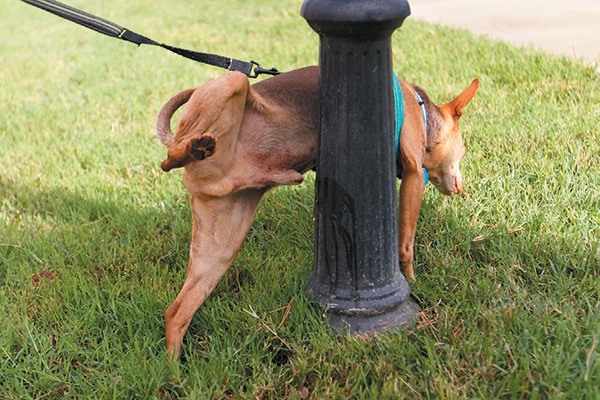
If you’re suddenly encountering urine spots in the house, it can be incredibly frustrating. It can be difficult to know if your dog is urinating or scent marking, but it is important to differentiate between the two because the reasons behind each behavior are different.
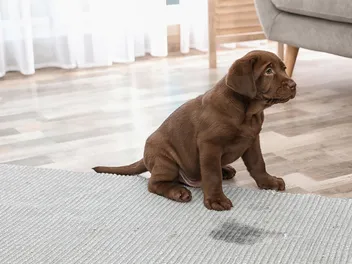
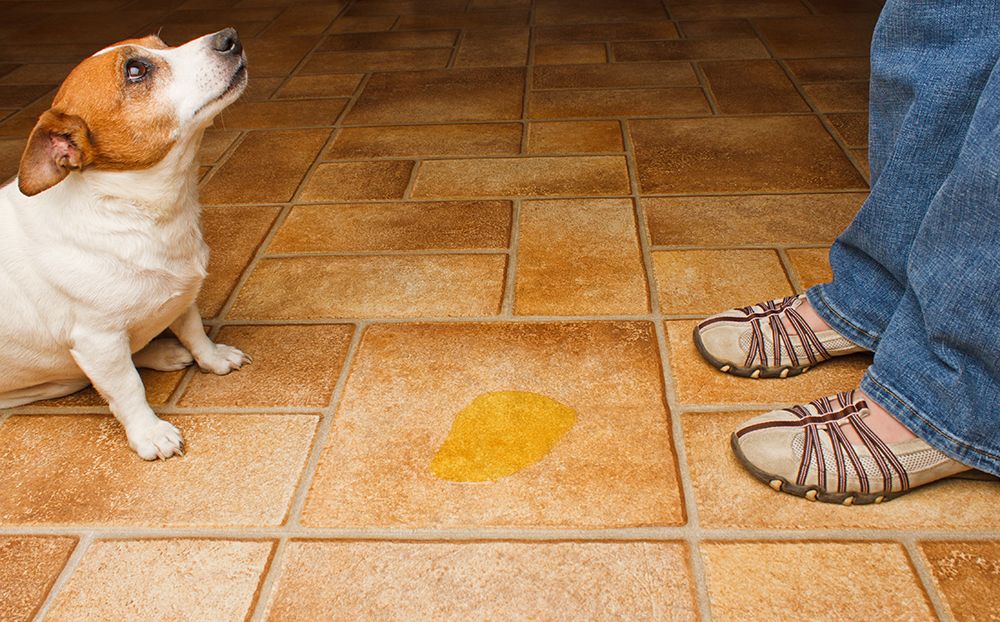
Scent marking is a natural behavior for dogs, and it involves the release of small amounts of urine on certain areas, such as objects or their favorite spot, as a means of communication with other dogs. It is more common in unneutered dogs but not exclusive to them. On the other hand, sometimes adult dogs that are already toilet trained may start having accidents in the house for various reasons. This usually results in urine stains, large or small, on the floor.
Differentiating between the two requires careful observation of your dog and, on most occasions, veterinary input. The reasons for each behavior are different, as are the ways to stop it, although there are some tips that can apply to both situations.

The 5 Steps to Stop Your Dog Marking in the House
1. Identify the Underlying Reason
There are many reasons why a dog may start having urine accidents in the house. Figuring out this underlying cause is the starting point to correct this behavior.
Here are some of the most common reasons dogs have accidents inside:
- Medical problems: Many medical issues can cause your dog to urinate inside your house. Different types of cystitis and bladder stones are common culprits. Diseases that cause increased thirst and urination, such as kidney disease and diabetes, are also common causes.
- Not neutering/spaying: Dogs that aren’t neutered or spayed have a higher chance of marking inside, especially males. If your dog isn’t neutered, you may want to schedule that appointment, but keep in mind that marking can be a learned behavior.
- Anxiety: Sometimes, dogs mark when stressed. When this happens, dogs usually show increased vigilance, arousal, and monitoring of the behaviors of the marking trigger.
- Changes in the environment: The presence of another dog in the house, a female in season nearby, or seeing a dog from the house can all trigger urine marking behavior in your dog.
- Age: Some dogs lose bladder control as they age. Even if your dog doesn’t seem very old, it’s possible that this is one of the first signs that they’re getting older.
You may need to keep a careful eye on your dog to determine the underlying cause of your dog’s behavior. A vet visit should be the starting point, as this can rule out age and medical problems. If your dog isn’t neutered and you don’t plan on breeding them, tackling that can be a good first step, too. Speaking to a vet or behaviorist can also help to manage your dog’s anxiety problems.
2. Make the Marked Area Inaccessible
In the meantime, you also want to make the marked area unreachable and less appealing to your canine. In most cases, a thorough cleaning is enough to make your dog not use that spot again. Use an enzymatic cleaner, as these can remove the pheromones and scents trapped in the urine. They help remove scents that humans can’t even smell.
Regular cleaning products don’t always remove these pheromones. Instead, they only mask the odor and make it smell clean to you—not your dog.
If you're looking for an all-in-one, pet-friendly, enzyme cleaner, we highly recommend the Hepper Advanced Bio-Enzyme Pet Stain & Odor Eliminator Spray.

- ADVANCED ENZYMATIC CLEANER - Penetrates the most stubborn smells and stains at the deepest molecular levels to dissolve any pet mess you encounter and lift it away at the source.
- FOR ANY MESS, ON ANY SURFACE - This pet odor eliminator cleans your carpets, floors, furniture, fabrics, and more. Whether it's urine, feces, vomit, or drool, you can erase all foul spots and smells!
- FRESH, NATURAL ODOR - Our unique formulation doesn't rely on dangerous or unpleasant chemical fragrances to get the job done. We eradicate smells and stains, not just cover them up.
It eliminates tough stains and odors easily and is excellent for accident prevention. Plus, it comes with a 100% satisfaction guarantee! Click here to order now.
At Dogster, we’ve admired Hepper for many years, and decided to take a controlling ownership interest so that we could benefit from the outstanding products of this cool pet company!
If your dog seems to go in one particular place, you should block off that area if possible. Baby gates, furniture, and doors can all deny your dog access to those areas, preventing them from marking again. If you cannot remove access, be sure to pay extra attention to your dog whenever they go into this area.
3. Prevent Further Marking
A vital part of management is to never punish your dog for this type of behavior. Punishing your dog only makes them fearful of us and creates negative associations with some actions.
If your dog is marking because a new dog has arrived, speak to a veterinarian or dog trainer about the best management plan for this situation. If your dog has just become an adolescent and has started to mark, the best way is to discuss neutering with your veterinarian.

4. Encourage Proper Behavior
Use positive reinforcement whenever your dog behaves correctly. Reward your dog generously with treats and praise. You can teach your dog to sit, relax, and not react to certain stimuli. This training helps dogs to have better control over their actions.
It’s important that everyone in your family is on the same page as you when it comes to training your dog. Fill them in on the training plan so that your dog experiences similar rewards for behaving appropriately.
5. Seek Professional Help
If you’ve tried all the steps above and you’re still having trouble, consider seeking professional help. Even if you’ve already been to a vet, consider making another appointment and emphasizing the trouble you’re having. Sometimes, anti-anxiety medication is combined with behavioral modification. Also, consider speaking with a behavioral specialist that a vet recommends. Sometimes, there’s something in particular that’s making your dog to mark at home. These very specific behavioral problems can be hard to identify and treat without the help of an expert.

Conclusion
If your dog suddenly starts marking in the house or seems to have forgotten that they were potty trained, it can be extremely frustrating. However, there is usually an underlying reason that makes sense, though that reason can be hard to see.
Figuring out this underlying cause will help you solve the problem. Working alongside a vet, and sometimes your dog behaviorist is essential to understanding your dog’s new behavior.
Related Reads:
Sources
Featured Image Credit: MCarper, Shutterstock
Expert dog care, straight to your inbox
News, insights, expert advice, and everything dog.

No spam — unsubscribe anytime.
By signing up, you agree to our Terms & Conditions and Privacy & Cookies Policy.
How useful was this post?
Click a star to rate. You can leave written feedback afterwards. (We read all feedback.)
Kristin loves to help pet parents create a fulfilling life for their pets by informing them on the latest scientific discoveries and helping them choose the best products for their pets. She currently resides in Tennessee with three cats, four dogs, two fish, and a lizard, though she has dreams of owning chickens one day!