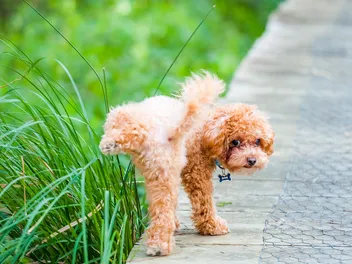
My Dog Keeps Peeing in Their Crate: 6 Vet Reviewed Causes & Solutions

In this article
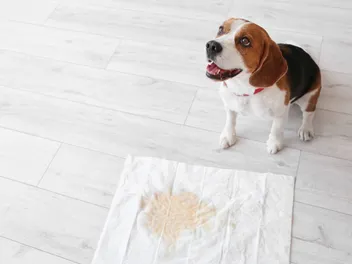
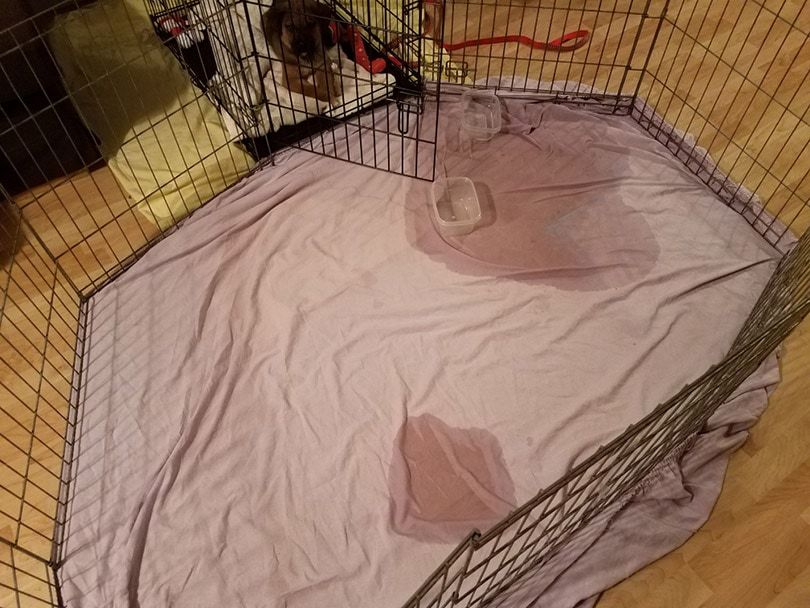
It is not uncommon for your dog to have a crate accident from time to time. For one reason or another, a puddle and a shamefaced pooch are bound to meet you at the door at some point. Thankfully, it’s nothing a few paper towels can’t handle. Your fur baby is also likely mortified and fearful of being cast out of your good graces.
While an occasional puddle is okay, a consistent mess is not. Unfortunately, it often points to a larger problem.
The quicker you address the issue and correct it, the happier both of you will be. First, though, is figuring out the why. Once you have won that half of the battle, you can plan to correct the problem.
To lend a helping hand, we shared some of the most common issues and solutions below.

First, Ask Yourself Some Questions
Yes, life would be easier if we could simply have a conversation with our pets. Instead, you must use your sleuth skills to gather info on what is going on.
There can be several reasons why your pup is peeing in their crate. It could be due to illness, advancing age, separation anxiety, crate size, etc.
Start by asking yourself these questions:
Having the answers to these questions will help you figure out what the cause is so you can try to set it right.


The 6 Reasons Your Dog May Be Peeing in Their Crate
Even if you have an idea of why your dog is having accidents, the solution might not be as easy to find. The first step, however, is understanding the problem. Only then can you find the right solution.
1. Senior Dogs
New and worsening accidents in senior dogs are often related to health issues. When your fur baby reaches their golden years, it’s possible incontinence is the culprit. This is a common malady in aging pets as their bladder muscles weaken.
The Solution

2. Canine Illness and Injuries
It’s important to note that accidents are more likely to happen with puppies and senior dogs. If your normally healthy dog has started going in their crate out of the blue, it’s likely caused by an injury or illness.
A urinary tract infection (UTI) is a common ailment that causes accidents. If left untreated, it can cause serious health issues. Symptoms of UTIs can also mask symptoms of more serious conditions. If you suspect that your dog has a UTI, have him evaluated by your veterinarian.
Spinal cord injuries are injuries that can potentially cause accidents in the house. There are, of course, many other health problems that can cause a loose bladder. To get to the bottom of it, however, the best course of action is to speak with your vet.
The Solution
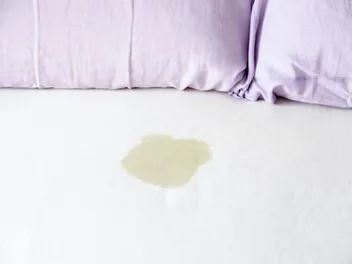
Although it may be distasteful, you should also examine your fur baby’s pee. As icky as it may be, looking for tell-tale signs of distress are important details your vet needs.
Be on the lookout for:
These are questions your vet will pose to you, so knowing the answers going into the visit can save you time and save your pup from a lot of discomfort.

3. New Routines
Dogs rely on their routine to balance their life and mark time. They become so used to their schedule, small changes can throw them off causing them to have accidents.
Even small, insignificant changes can rock your pooch’s world. These changes can include:
- Changes to the potty schedule
- Work schedule changes
- Someone permanently left or entered the home
- Significant noise changes
Understandably, changes are likely to happen in life, so the routine is bound to get interrupted. If you have had a recent disruption, it could be the cause of the crate issues.
The Solution
- Tip: There will be times when you must change your dog’s routine for a short time due to vacation, illness, job change, etc. If this is the case, keep your expectations realistic. Accidents are likely to happen, but punishing your pet is not the answer. Instead, give extra praise and treats when the kennel is clean, and as always, increase potty breaks.

4. Potty Breaks
Sometimes, the simplest answer is right in front of you. That is why it’s important to look at your potty schedule. Increasing the number of times you bring your pup out may very well do the trick.
The Solution
5. Crate Size
Surprising to many pet owners, crates that are too big can be the cause of accidents. Dogs don’t like to go where they sleep. If there is too much space inside their kennel, though, it allows them to divide up the space.
They will devote one corner for using the bathroom while keeping their bedding and lounging space clean. You have a few options to correct this, however.
The Solution

6. Separation Anxiety
Separation anxiety is a behavioral condition that affects many dogs. While some pups only whine, others can bark without stopping and even destroy things. Other symptoms can be seen as well.
The most common causes for anxiety are:
- Changes in routine
- Loss of a family member
- Change of location (moving)
- Addition of a family member (including a new pet)
Once again, curbing this issue and regaining a pee-free crate time for your dog is going to take a lot of time and patience.
The Solution
- Tip: Our natural inclination is to say goodbye to our pets before leaving. Try to avoid this if your dog suffers from anxiety. Instead, get them used to being in the crate with the door closed while you are in the room. From there, start leaving the room without saying bye. Stay in another room for a while before venturing back (this is where a TV left on in another room comes in handy). Eventually, your fur baby will get used to being in the crate without you there.
Unfortunately, some cases of separation anxiety will require the help of a specialist or your vet. If nothing seems to work, they may be able to help through professional behavioral training and medication.
Summary
No one wants to come home to a pee puddle in your dog's crate. But when this happens, take a step back and look at the big picture. Where might the problem be coming from? If you suspect this is due to a medical condition, seek veterinary attention. But in all cases, patience and praise are key.
Featured Image by: stockphotofan1, Shutterstock
Expert dog care, straight to your inbox
Vet-reviewed advice, training tips, and the best of Dogster. Free, and you can unsubscribe anytime.
By signing up, you agree to our Terms & Conditions and Privacy & Cookies Policy.
Shannon MacDevine is a freelance writer from Boston Massachusetts. She has been a dog lover since her early years and volunteered at local animal shelters through college. As a writer, Shannon hopes to bring awareness to the health and happiness of all animals.
Join the conversation
Ask a question, share your story, or send private feedback.