How to Muzzle a Dog: 7 Vet-Approved Safety Tips & Tricks


In this article
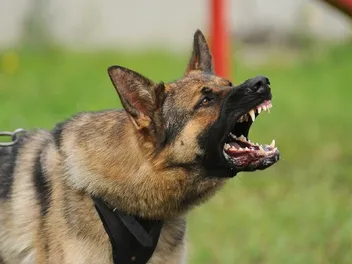
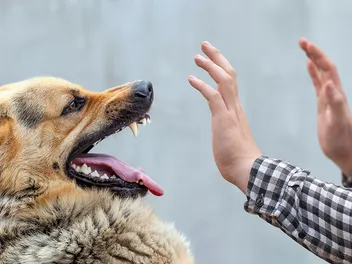
Muzzling a dog should not be controversial. They improve the welfare of the dog and can help keep others safe. When used correctly, your dog won’t be uncomfortable and if you train them to accept it, they can wear it without any fear. For some dogs, a muzzle is necessary to take them out in public, get groomed, and have veterinary check-ups safely. If your dog exhibits aggressive behavior in any situation a muzzle is needed. There could be other reasons to use a muzzle, but if you are not sure you should talk to your vet about it. You should train your dog to accept the muzzle and not wait until the moment it’s needed to put it on as this can result in you getting bitten.

Preparation
Luckily, putting a muzzle on a dog is not a complicated thing to learn. With some treats and a little bit of patience, most dogs can be muzzled fairly easily. Here is what you should have on hand before attempting to muzzle train your dog.
What You Will Need:
The 7 Tips on How to Muzzle a Dog
1. Use a Basket Muzzle

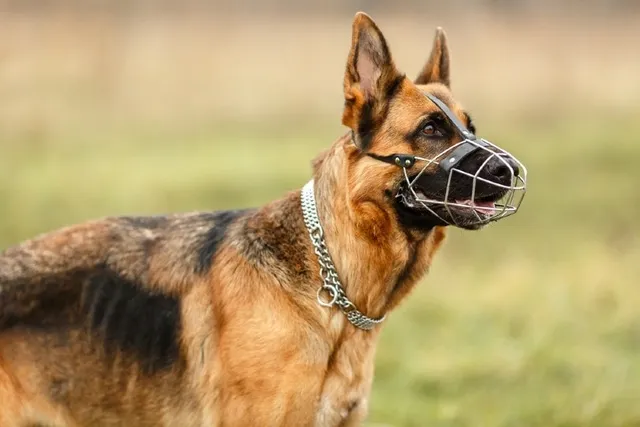
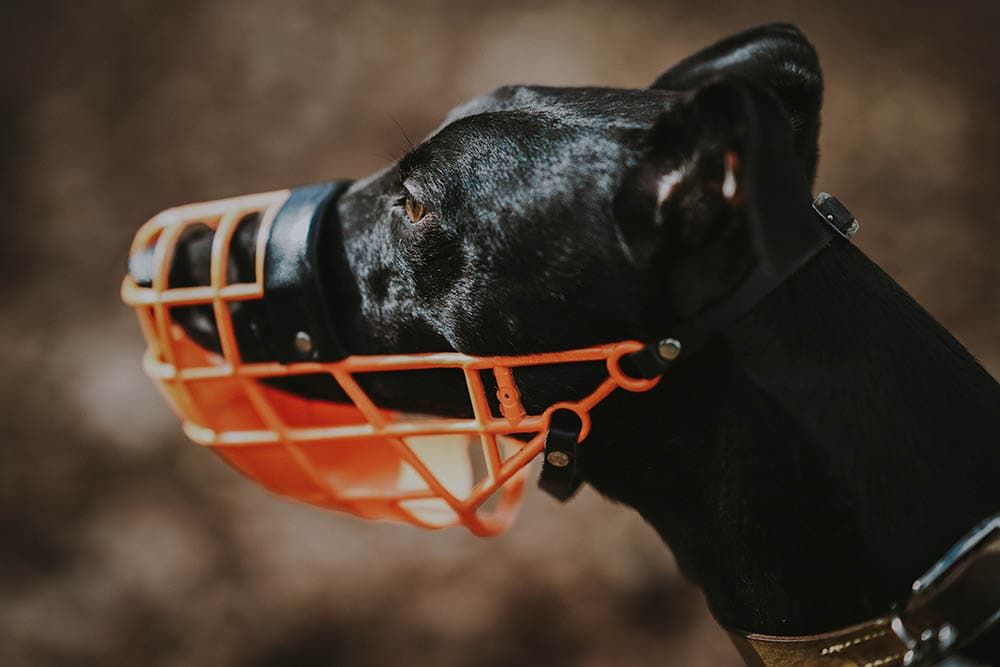
The American Humane Society recommends using basket muzzles over other types of muzzles. The American Kennel Club does not go as far as to endorse one type of muzzle, but it admits that “many dogs seem more comfortable in basket muzzles than soft muzzles because their mouth isn’t being held closed.” These two endorsements strongly point to the use of basket muzzles over other muzzles for comfort. Basket muzzles are recommended because they do not force a dog’s mouth shut. This allows them to pant, lick, and eat small treats. Some dogs can even learn to drink with a basket muzzle on. This makes them the least intrusive version of a muzzle. Despite the freedom, basket muzzles still prevent a dog from biting someone.
2. Leave the Muzzle Out When You Are Not Using It
A good way to get your dog familiar with the sight and smell of a muzzle is to keep it out when you are not using it. You should leave the muzzle out at home so that they can see it and sniff it when you are not using it. This will make the muzzle a more common item rather than being some scary thing that only appears before bad things happen. Let your dog sniff the muzzle and give them treats if they are investigating the muzzle; this will help to build a calm or positive association with the muzzle rather than a negative association.
3. Muzzle Your Dog in a Comfortable Space

You should first use the muzzle only at home until your dog becomes comfortable with it. Once they are accepting of the muzzle, you should put it on before leaving the house or entering the triggering situation. You want to refrain from trying to put a muzzle on a dog in a new or unfamiliar situation. The heightened stress of a new situation plus the muzzle can cause a dog to become anxious or fearful, which can make them more likely to act aggressively or unpredictably.
4. Use Muzzle Training
Muzzle training helps to familiarize your dog with the muzzle and helps to make them feel at ease while they are wearing it. Muzzle training uses rewards like treats and praise to build positive connections with the muzzle. First, allow your dog to investigate the muzzle and reward them with some treats. When they seem relaxed about the presence of the muzzle, you can touch their nose to it and reward them again. Dogs with previous bad experiences with muzzles will need much more training than those that have never been muzzled. Lure your dog’s nose into the muzzle with a treat, reward, and let them pull away. Finally, you can place the muzzle and buckle it up, then immediately take it off and reward. Over time you can allow your dog to wear the muzzle for longer, building up their tolerance. Take things slowly and if at any time your dog appears uncomfortable, go back a step in your training.
5. Always Put the Muzzle On from Behind

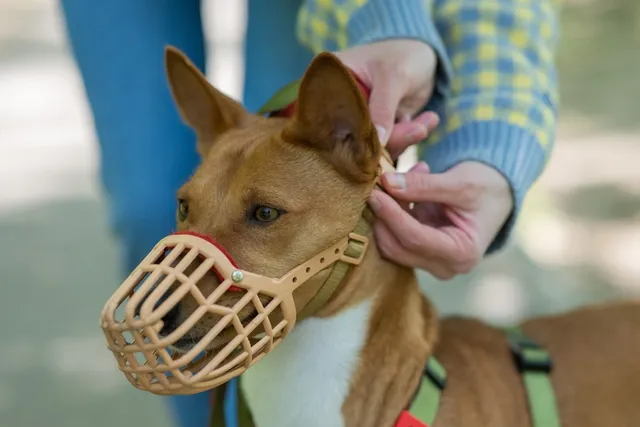
The safest way to put a muzzle on a dog is to restrain them (typically with a leash) and then gently put the muzzle on from behind. Put the muzzle over the nose and fasten the straps. Make sure that the muzzle fits properly. It should fit snugly but not too tight. If the muzzle is too loose and moves around, it can come off or become skewed. If the muzzle is too tight, it can cause pain or even inhibit breathing. If it does not fit properly, you want to take it off, adjust it, and then put it back on.
6. Don’t Get Frustrated or Upset with the Muzzle
One of the keys to having a safe experience with a muzzle is to ensure that your dog maintains a positive association with the muzzle. Muzzles are sometimes used in stressful or unfamiliar situations, so you want the dog to have as little anxiety about the muzzle as possible. One way to do this is to avoid getting frustrated or upset with your dog while you are putting the muzzle on or while they are wearing the muzzle. Don’t yell at your dog with the muzzle; don’t yank them or show any signs of anger or frustration. That will only hamper your ability to effectively use the muzzle in the future.
7. Reward Your Dog Every Time You Put the Muzzle On and Take It Off

One of the reasons it is a good idea to use a basket muzzle is so that you can reward your dog with treats while they are wearing the muzzle. You should get in the habit of giving your dog treats and praise every time you put the muzzle on and every time you take it off. This will help to build a positive connection in your dog’s mind between the muzzle and you. With enough treats, dogs will start to look forward to their next reward rather than dwelling on the muzzle itself.
When Should You Muzzle a Dog
If There Is a Need
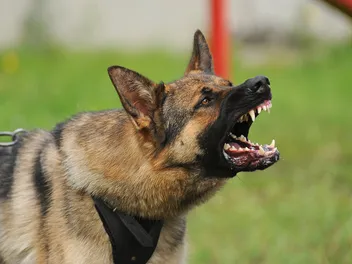
If your dog has a history of biting or a risk of biting, the responsible thing to do is to put a muzzle on them. For example, if your dog is known to be prone to biting at the park, you want to muzzle them to avoid any issues. Dogs with histories of biting can leave you vulnerable to liability and even legal action. Muzzles were specifically invented for these types of situations. Some veterinarians will suggest that owners with dogs that eat unwanted things that cause intestinal upset, toxicity, or blockages that lead to surgery should muzzle their dog for the safety of the dog.
During Grooming or Vet Trips
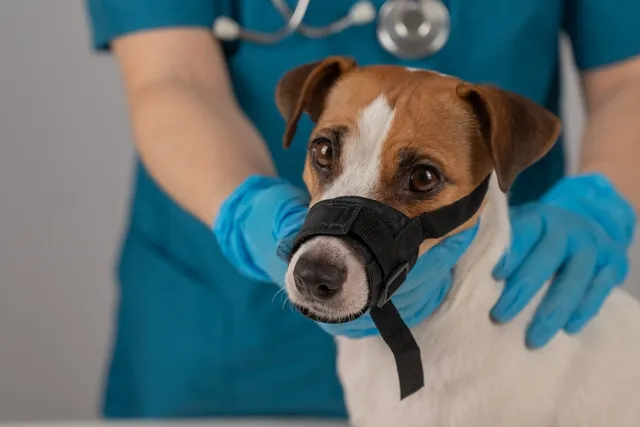
If you know that your dog is unruly during trips to the groomer or the veterinarian, it is a good idea to put a muzzle on your dog before you leave home. This is true for a few reasons. First, if your dog is hard to handle or poses a biting risk to staff, then there is a good chance they will put a muzzle on your dog anyway. It is preferable for you to train your dog to wear a muzzle, so the experience is more positive for them. Second, your dog will usually be calmer and more responsive to your attempts to put a muzzle on them than a stranger. If your dog has no history of biting or aggressive behavior at the groomer or the vet, you don’t have to use a muzzle, but if your dog has been noted to bite or even growl, it’s better to be safe and train them to accept a muzzle.

When the Law Requires It
Some municipalities have laws requiring that certain dogs must be muzzled in specific areas. Each municipality is different, and it is a good idea to brush up on local laws. If your dog has a history of biting and bites someone in public without a muzzle on, you could be held liable depending on local rules and regulations. Some states even have provisions for the euthanasia of dangerous dogs.
In an Emergency
If you live in an area prone to natural disasters or other similar emergencies, it might be a good idea to stash a muzzle away for safekeeping. If you ever need to evacuate your dog, leave your dog in the care of first responders, or go to an emergency shelter, having your dog muzzled is a good idea. Emergencies can be stressful, and there are often a lot of emotions, strangers, and noises that could put your dog on edge.

When You Shouldn’t Muzzle a Dog
For Long Periods of Time
Muzzles should not be used for long periods. Muzzles should only be used in short bursts. You should never keep a muzzle on a dog continuously, especially when you are at home. You should only muzzle a dog when the situation requires it and strive to take it off as soon as it is safe to do so. You should also never leave a dog unsupervised when they have a muzzle on. Muzzles can get caught on things, or they can become loose or tight, which can harm your dog or inhibit their ability to breathe, drink, and do other necessary things. You should always supervise a dog if they have a muzzle on.
For No Reason
Some people think it is a good idea to simply leave a muzzle on a dog for no particular reason. This is not true. You should only muzzle a dog for very specific situations, and when that situation has been resolved or passed, you should immediately remove the muzzle. The use of a muzzle should always have a goal and a firm starting and ending point. Do not muzzle a dog for no reason or without a clear goal. You should also refrain from muzzling a dog under the guise of generic “training,” as that also does not have a goal. The muzzle is not a tool to correct unwanted behavior such as barking.
When Your Safety is at Risk
In some cases, you won’t be able to safely muzzle an aggressive dog without being hurt. Most dogs will allow their owners to muzzle them, but this may not always be the case. If you are unable to safely muzzle your dog, or prevent your dog from causing harm to others, call the local animal authorities for help.

Conclusion
Muzzles are necessary in some situations. Some dogs, unfortunately, have a history of biting. Dog bites can be nasty, and they can lead to a whole host of problems for both the dog and the owner. Basket muzzles are fairly unobtrusive, and training a dog to accept a basket muzzle in specific situations can be advantageous. These tips will help you ease into the idea of muzzling your dog when necessary.
Featured Image Credit: Annie Spratt, Unsplash
Expert dog care, straight to your inbox
News, insights, expert advice, and everything dog.

No spam — unsubscribe anytime.
By signing up, you agree to our Terms & Conditions and Privacy & Cookies Policy.
How useful was this post?
Click a star to rate. You can leave written feedback afterwards. (We read all feedback.)