How to Train a Pit Bull: 7 Vet-Approved Tips


Being a Pit Bull parent means sharing your life with one of the most affectionate and loyal dogs out there. But owning a Pit Bull also comes with responsibility, not only to your pet, but to the breed’s reputation. While these dogs have faced stigma due to past misuse and media bias, owners today have the opportunity to challenge misconceptions through training, socialization, and advocacy.
Tensions have cooled in recent years as many acknowledge the media bias and misinformation, yet uneasiness persists. Breed bans are a reality, and unscrupulous owners still train Pit Bulls for aggression.
With so many factors working against them, Pit Bulls need significant help to change public opinion and gain acceptance. It all starts with you, the owner. With diligent training, socialization, and love, you can defy stereotypes and raise a model ambassador for the breed. We’ll show you how with these essential tips and tricks for training a Pit Bull.

The 7 Vet-Approved Tips for Pitbull Training
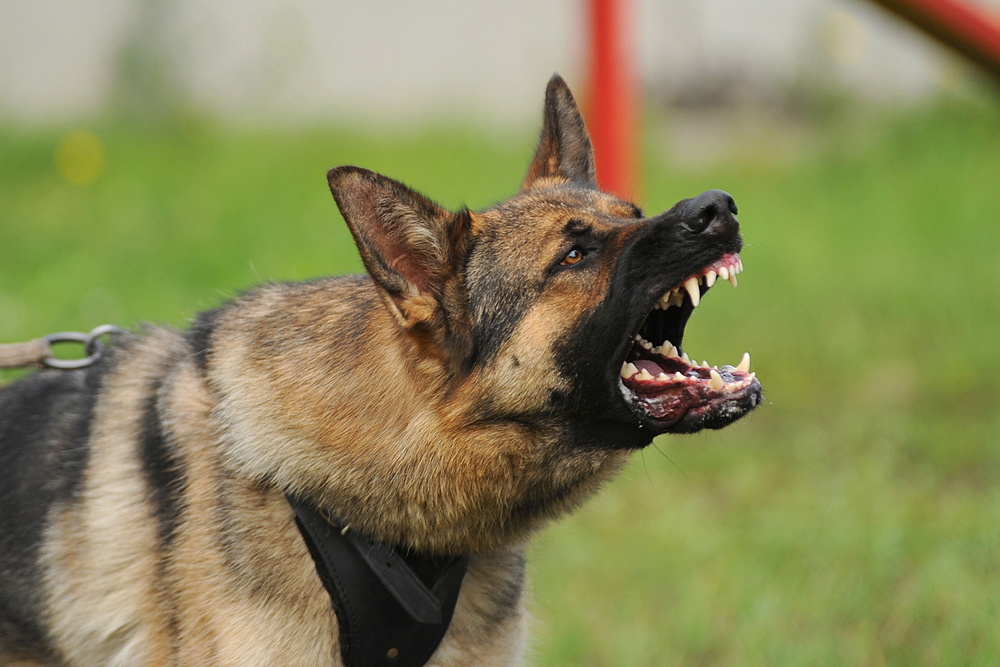
Pit Bulls have a rich history in dogfighting and blood sports spanning nearly two centuries, creating the violent stigma they bear today. Indeed, anecdotes of unprovoked aggression proliferate, giving supposed credence to the idea that Pit Bulls are more dangerous than most dogs.
The truth is that Pit Bulls, like any dog, are a result of genetic tendencies and upbringing. Collies like to herd, sighthounds want to chase, and Pit Bulls are known for their determination and tenacity, traits once prized in blood sports but that can become problematic without proper outlets.
As an umbrella term for purebred pits and mixes, Pit Bulls cover a broad spectrum of genetic and experiential backgrounds. There’s a vast range of temperaments, with some showing dog-aggressive behaviors, others human-aggressive behaviors, and many more showing no aggression at all.
You can’t expect any particular behavior unless you know the breeding history. What we can control is how we train our Pit Bulls, which arguably makes the most significant impact.
1. Train and Socialize Immediately
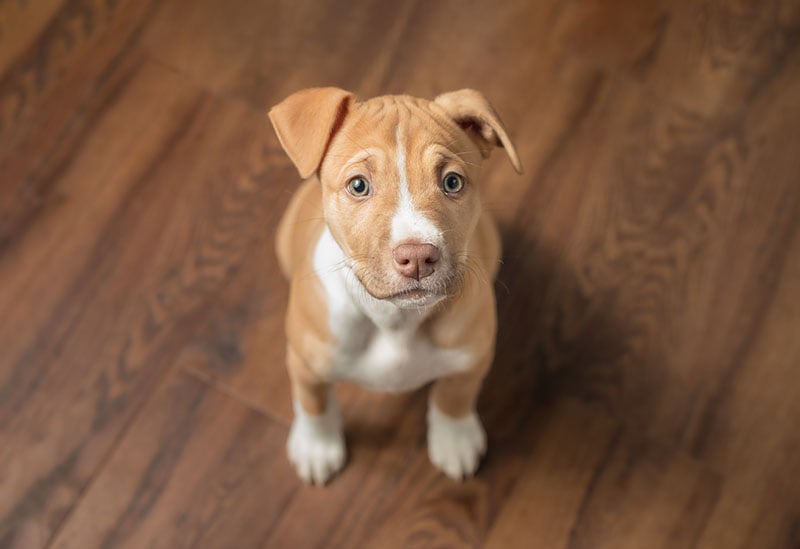
Preventing aggressive behavior starts early, emphasizing the need to train and socialize your puppy immediately. The critical socialization period for dogs spans from week three to week 12–14. During this time, puppies must experience diverse social interactions and new situations to become tolerant, calm, and outgoing adults.
Since you likely won’t get a Pit Bull puppy before 8 weeks, socialization largely depends on the breeder. If you haven’t gotten your dog yet and are looking for purebred varieties, vetting breeders is critical before adopting. Investigating and visiting breeders ensures your puppy comes from an environment and routine that promotes well-behaved, healthy dogs.
The weeks after you get your Pit Bull should include numerous interactions with people and pets. Introduce them to tall people, short people, mail workers, children, people with hats, men with beards, dogs, and cats. Make every meeting positive and rewarding so your dog develops a trusting and confident personality.

2. Manage the Fear Periods
Dogs usually go through fear periods at around 5–11 weeks and, sometimes, at 6–12 months. They have heightened awareness and sensitivity in these stages, putting them on edge in situations that usually don't bother them.
Fear periods typically last 2–3 weeks, but you can shorten them with proper management. At this point, promoting positive interactions is critical. As with socialization and training, how you handle these developmental stages will have lifelong implications on your Pit Bull’s mental and social health.
How to Work Through Fear Periods:
During the fear period, continue exposing your Pit Bull to as many unique people, pets, and settings as possible. If your dog fears specific stimuli, desensitization, and counterconditioning can help alter their responses.
How you socialize and offer new experiences to your dog, particularly during the first 4 months, will significantly affect their fear and aggression as adults.
3. Discourage Biting Behavior
Mouthing is a natural habit for puppies and a vital manner of exploring their world. While you don’t want to stop a dog from chewing entirely, discouraging biting at a young age is particularly crucial for Pit Bulls.
How to Discourage Biting:
Keep chews and your dog’s favorite toys handy to redirect them when they get too mouthy. If your Pit Bull’s mouthiness is challenging to manage or seems overly aggressive, partner with a veterinarian or canine behavioral therapist for help.
4. Work on Impulse Control
Historically, dogs bred for fighting were selected for traits like perseverance and low reactivity to pain. Some of those tendencies may remain in modern Pit Bulls, which makes impulse control training particularly important.
While not every Pit Bull today is predisposed to that kind of aggression, focusing on training impulse control is valuable in helping any dog stay safe. Essential skills to teach dogs to develop impulse control include:
- Obedience commands like sit, stay, down, and release
- “Leave it” and “Take it”
- Recall and emergency recall
- “Look” command
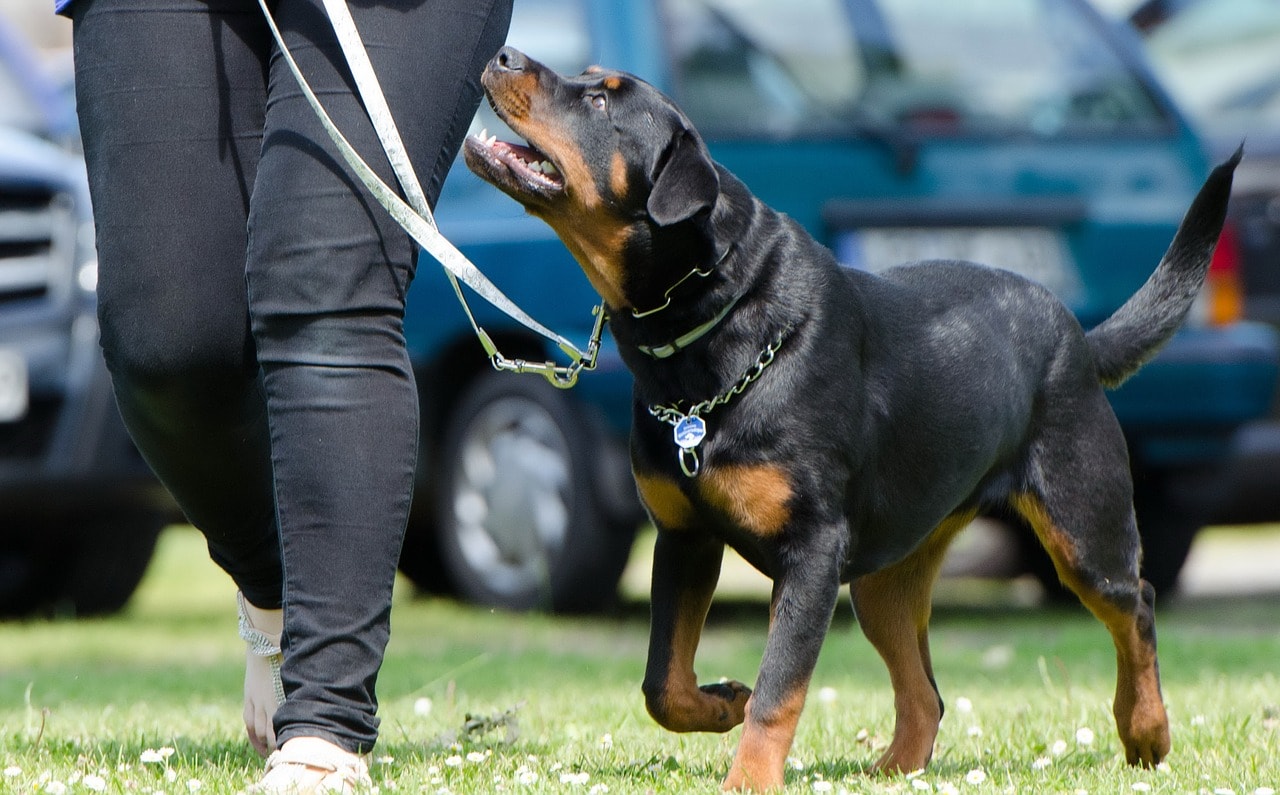
- Loose-leash walking
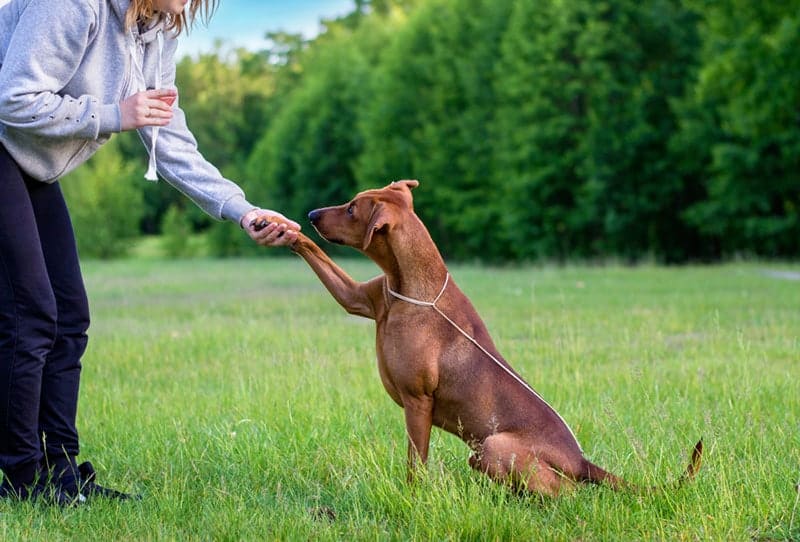
Integrate impulse control training throughout your day to cement habits. Have your dog wait to leave their crate, eat their meals, or walk out the door before releasing them. Reward calm, patient behaviors and encourage your dog to look to you for guidance.
5. Work Slowly and Proof Behaviors
Dogs don’t generalize well, meaning they aren’t adept at applying learned behaviors in novel situations. Promoting good habits in numerous environments is crucial so they understand the rules always apply. When you say “sit,” they know to sit, regardless of where you are, the clothes you wear, or the time of day.
However, before you can work on specific behaviors in new settings, you must start with minimal distractions. For example, you’ll teach “stay” inside when you’re alone with your dog and eventually take them outside to practice it.
You can't add distractions and raise the criteria for a behavior until it’s reliable in low-key environments. As your dog gets the hang of the “stay” command, gradually make the stays longer and increase the distance you move away from your dog as they wait in position before rewarding them. Slow and steady progress will keep your Pit Bull successful and eager to continue training.

6. Provide Plenty of Exercise
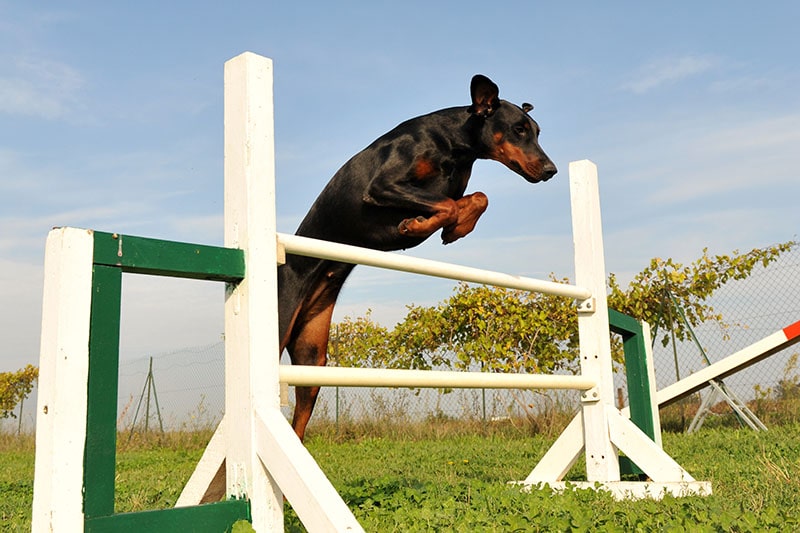
Exercise demands vary widely depending on the Pit Bull’s exact mix, but generally, they aren’t for sedentary owners. Pit Bulls are working dogs with the energy to burn. Adults need at least an hour of exercise daily, split between walks and play.
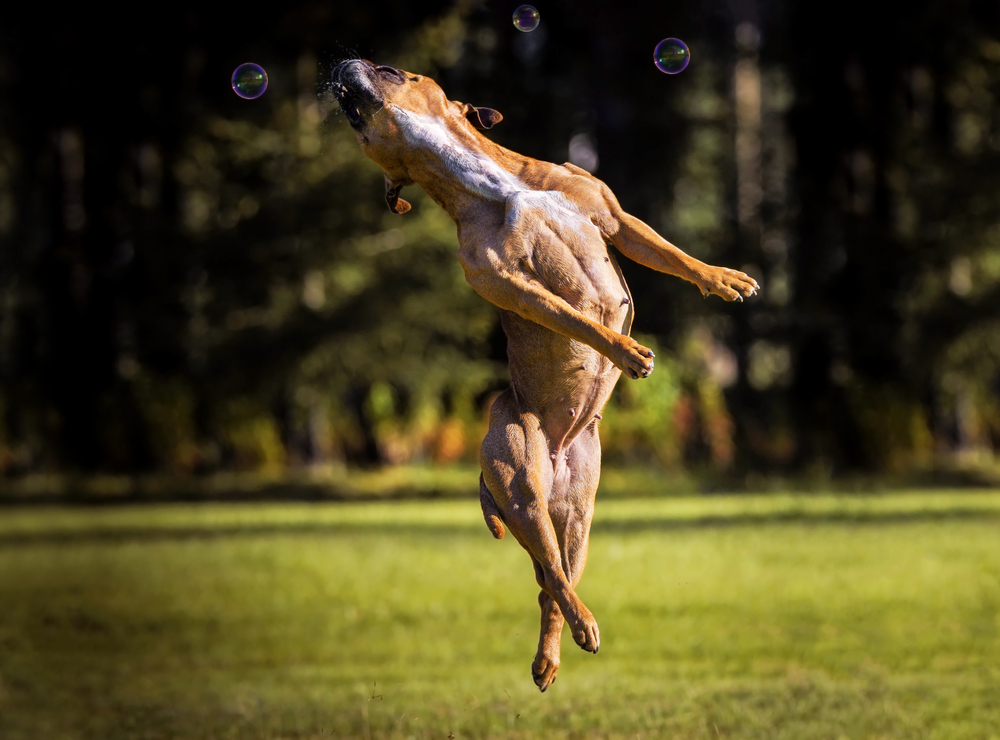
Playtime is an excellent way to bond with your dog and tire them out, ultimately making them more obedient and well-behaved.
7. Pursue Canine Good Citizen Certification
The American Kennel Club’s Canine Good Citizen certification is a practical goal for any dog owner, especially a Pit Bull parent. The CGC includes ten test items, primarily focusing on obedience around strangers, crowds, dogs, and distractions. Once you feel your dog can nail the test items, you can find a local evaluator to test and certify your dog.
The CGC offers an excellent framework for training, covering the essentials for any well-trained dog. More importantly, it proves your Pit Bull is docile, socialized, and non-reactive. Since many property managers include them on their banned breeds list, CGC certification can make a difference when finding places to live and putting neighbors at ease.
Final Thoughts
Pit Bulls are exceptional family dogs but not the easiest for first-time owners to train. They demand dedicated, patient pet parents who can bring out the best in their passionate, silly, and adoring personalities. As Pit Bulls slowly rebuild their reputation, it’s incumbent on all owners to promote their status as committed canine companions.
Sources
Featured Image Credit: Magnus Ronding, Shutterstock
Expert dog care, straight to your inbox
Vet-reviewed advice, training tips, and the best of Dogster. Free, and you can unsubscribe anytime.
By signing up, you agree to our Terms & Conditions and Privacy & Cookies Policy.
Nicole has loved animals of all sizes her whole life so it's no wonder she has dedicated her career to helping them through what she loves best: learning, writing, and sharing knowledge with others. She’s the proud mom of two dogs, a cat, and a human. With a degree in Education and 15+ years of writing experience, Nicole wants to help pet parents and pets around the planet to live happy, safe, and healthy lives.
Join the conversation
Ask a question, share your story, or send private feedback.