Why Do Some Dogs Need to Be Muzzled at the Vet? Vet-Verified Reasons & Guide


In this article
Deciding whether or not to muzzle your dog when you go to the vet can be a challenging decision. After all, sometimes they are already scared enough, and adding this extra mechanism can confuse or even threaten them if they aren’t used to it.
So, you have to take into consideration why people muzzle their animals at all. In this article, we aim to explore the primary reasons why folks muzzle their dogs at the vet and how you can properly execute this principle as well if you think it might be right for your dog.

Why Do Dogs Need to Be Muzzled?
Muzzling isn't necessary for all dogs. In fact, most don't need to be restricted when going to the vet. However, it is advisable in some circumstances—such as protecting other pets, owners, and veterinary staff.
Below are some circumstances that could mean muzzling is appropriate. If you have any additional questions or concerns, you can contact your vet for prior guidance.
1. If Your Dog Is Fearful
Whether your dog is a first-time vet goer or just a canine who is a little concerned with this atmosphere, you may muzzle them first. Until they are better acclimated, it can be hard for some pet parents to tell how their dogs will respond to other animals and employees at the vet’s office.
Many use it as a safety precaution if their dog is a little jittery about the event, simply because they are looking to avoid a negative interaction. You know your dog better than anyone.
Some dogs cower in the corner or duck for cover when they get scared. Other dogs will act more aggressively or lash out when they feel threatened. You have probably had your dog long enough to know which of these two reactions they can have, so it's best to respond accordingly.

2. If Your Dog Is a Bite Risk
If your dog has bitten before or tends to get very snappy when they are in a state of discomfort or fear, muzzling might be an excellent option. This will prevent any hazards, allowing your dog to have limited access.
Bites can be extremely bad, and the last thing you want to do is be caught in an altercation between two dogs at the vet’s office, with the fault being that of your own. Also, no veterinary personnel wants to get bitten. It's always best for us as pet parents to ensure we do our part to create a safe space.
How Long Should Dogs Be Muzzled?
Ultimately, the amount of time your dog should wear a muzzle depends on the type of muzzle in question. So, let’s take a peek at all of them.
Basket Muzzles
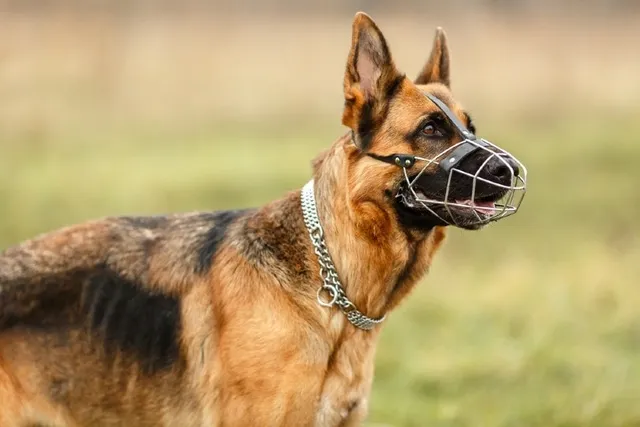
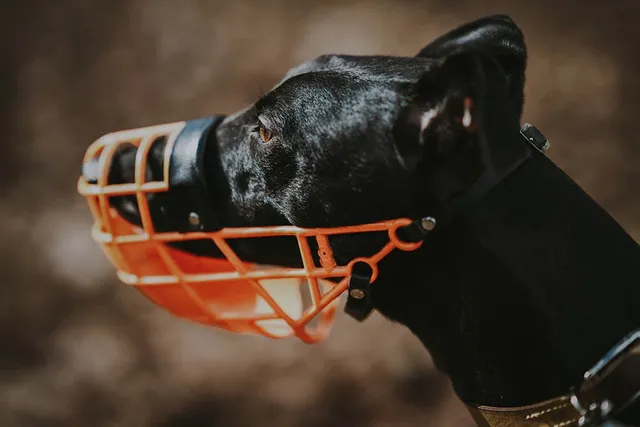
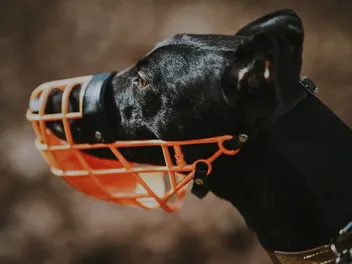
Basket muzzles are definitely a great choice for longer wear. These muzzles will work ideally for vet visits and outings. The design still allows your dog to eat and drink as needed—and pant to cool themselves down, too.
You can allow your pet to wear a basket muzzle for up to 90 minutes at a time. That way, if they need to be wearing it the whole vet visit, you don’t have to worry about safety.

Soft Muzzles
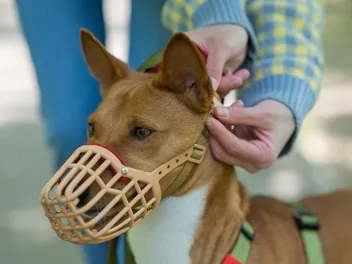
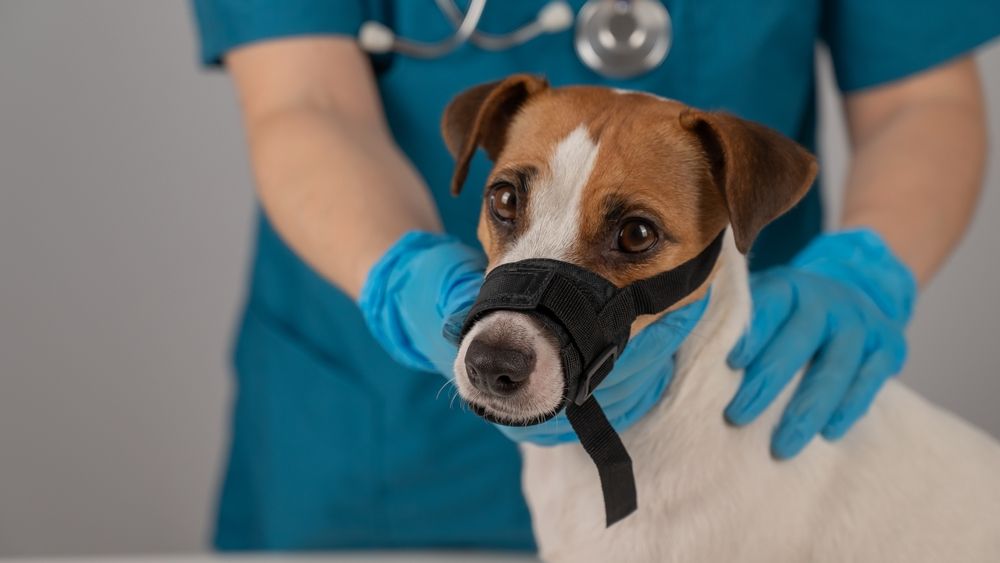
Soft muzzles, or slip muzzles, are a popular choice for training and safety. Since these muzzles are quite restrictive, you should use them minimally. It can limit your dog’s ability to pant, eat, and drink. They are good for vet trips as long as they are quick.
Slip muzzles can cause overheating so it is essential to use them in intervals of roughly 15 minutes per wear.
Muzzle Training Your Dog
If your dog has positive experience wearing the muzzle in a calm environment, then it shouldn’t worry them when they step into the vet clinic. To set your dog up for a success, you should start training them to wear the muzzle at home.
Let them become accustomed to seeing the muzzle but don’t put it on immediately. Provide rewards when the muzzle comes out to create some positive associations. When they are unbothered or excited to see the muzzle you can touch their nose to it and give a treat. Then lure their head into the muzzle using a treat. You may have to repeat this over a few days and if your dog seems nervous or agitated, go back a step in your training.
Clip the muzzle on for a second and take it off immediately followed by a treat. Gradually you can increase the time your dog wears the muzzle for. Feed them treats while wearing the muzzle and reward each time you use it. Try not to only get the muzzle out for vet visits or they will begin to forge negative associations with this piece of equipment.

Call Ahead to Your Vet
If you have any questions or concerns about muzzle use, you can always call ahead to your veterinarian. Say for instance that all you have is a slip, or soft, muzzle to put on your dog. In that case, you can call ahead to your vet to get professional guidance on how to proceed.
They might offer other suggestions or have a different style muzzle on hand that you can switch out when you arrive. You can also inform them of why your pup is wearing a muzzle so they can be well-informed of their particular behaviors before they arrive.
Conclusion
Muzzles can be terrific options for the right purposes, when used correctly. If you have a nervous or aggressive pooch at the vet, they can be an essential safety tool to prevent others from being bitten.
Remember that training and the muzzle style matters. Continually educate yourself on the type of muzzle you have and how it impacts your pup.
Sources
Featured Image Credit: Reshetnikov_art, Shutterstock
Expert dog care, straight to your inbox
News, insights, expert advice, and everything dog.

No spam — unsubscribe anytime.
By signing up, you agree to our Terms & Conditions and Privacy & Cookies Policy.
How useful was this post?
Click a star to rate. You can leave written feedback afterwards. (We read all feedback.)
Ashley Bates is a freelance dog writer and pet enthusiast who is currently studying the art of animal therapy. A mother to four human children— and 23 furry and feathery kids, too – Ashley volunteers at local shelters, advocates for animal well-being, and rescues every creature in need. Her mission is to create awareness, education, and entertainment about pets to prevent homelessness. Her specialties are dogs and cats.