Muzzle vs. Gentle Leader: Vet-Reviewed Differences (With Pictures)


In this article
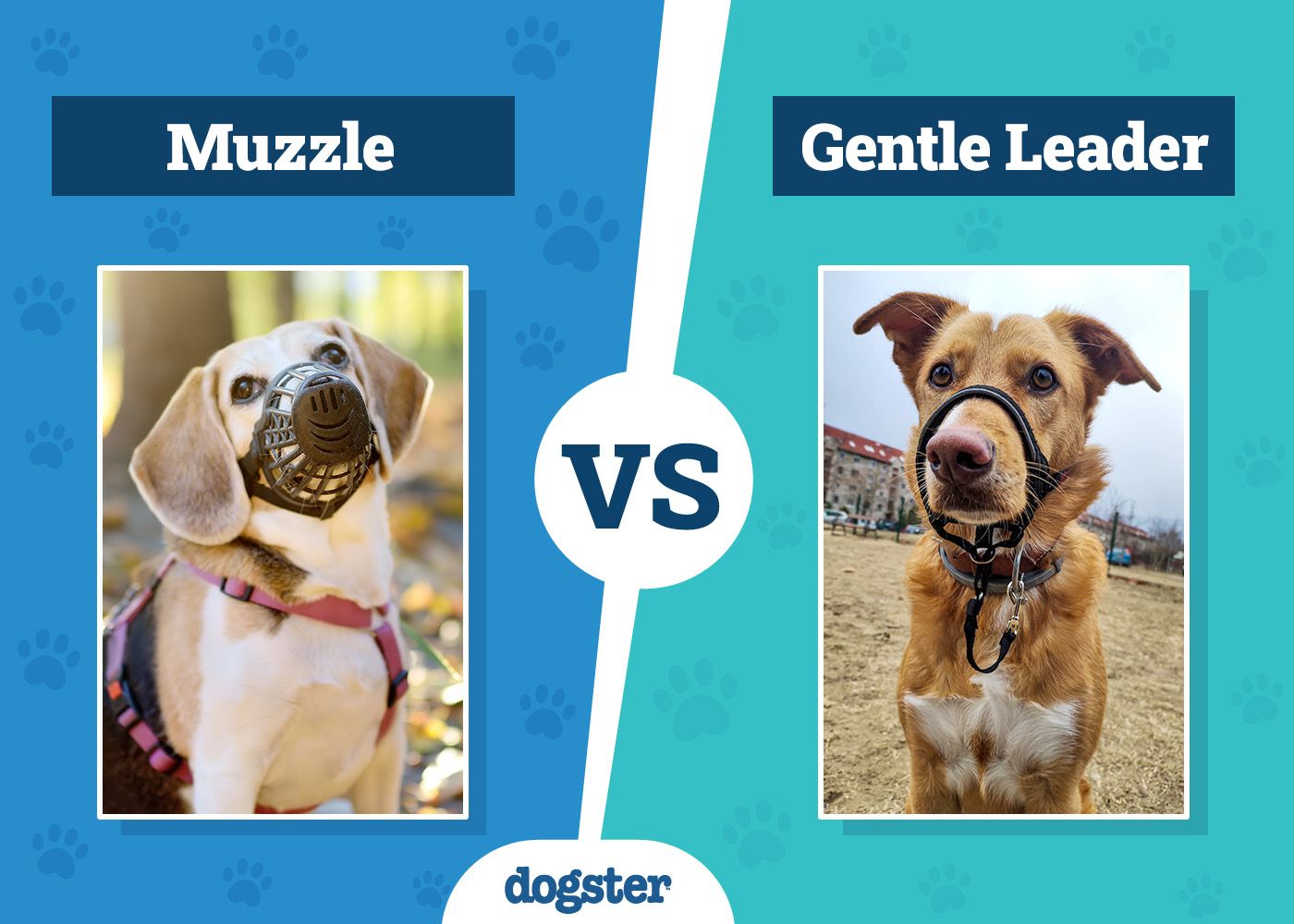
Muzzles and gentle leaders serve distinct purposes. A muzzle is typically used for safety reasons, like to prevent biting or eating unwanted objects, whereas a gentle leader is designed to gently guide and control your dog's head, promoting better behavior on walks. While a muzzle restricts a dog's ability to open their mouth fully, a gentle leader works by applying gentle pressure on the snout and the back of the neck, redirecting the dog's attention without causing them discomfort.
It's important to note that both muzzles and gentle leaders are tools that should be used responsibly and in conjunction with positive training methods. They are not meant to replace proper training, care, or behavioral advice. With that said, join us in our article as we discuss the differences, pros, and cons between muzzles and gentle leaders.

Visual Differences

At A Glance
Overview of Muzzles
The use of muzzles on dogs can be controversial amongst pet parents, professionals, and pet welfare organizations, especially if they are used incorrectly or for the wrong reasons.
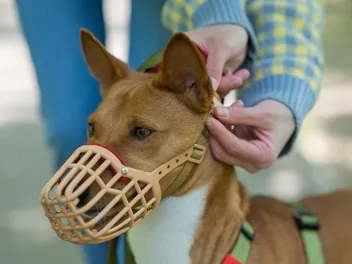
A muzzle is a device that can be fitted over your dog’s mouth and fastened around the back of their head to a suitable and safe tightness. They play a crucial role in ensuring the safety of your dog, other dogs, household members, and people who will be around your dog. They are commonly used in situations where a dog may exhibit aggressive behavior, such as during veterinary visits or in public spaces. They can also be useful if your dog does things like consume inappropriate items when out on their walk.
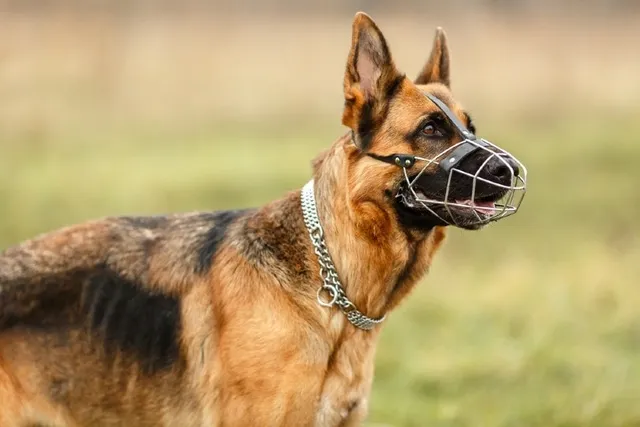
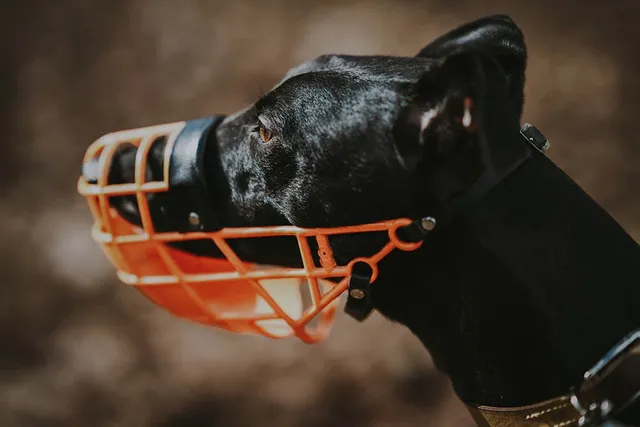
Muzzles are available in a few different designs, but one of the most common is basket muzzle. It is called this because it has the appearance of an open-weave basket, which fits loosely around their snout, restricting the dog's ability to open their mouth fully. They are either made of hard plastic or metal.

When to Use a Muzzle
Muzzles provide a short and temporary solution; they are not to be used for long-term problem-solving and do not substitute proper training nor address the underlying cause of any aggression or scavenging. Muzzles are most often used in situations where a dog may pose a risk to themselves, other dogs, or people. For example, if a dog is injured or in pain, the likelihood of them biting increases, so you might put a muzzle on your dog to protect yourself from this happening. Keep in mind that there are also some places where it is a legal requirement for certain breeds to wear one. Examples of occasions when a muzzle would be used include:
- If your dog has a history of aggression with other dogs or people.
- They are undergoing behavior training. A muzzle, therefore, can be a valuable tool to prevent biting and keep everyone safe during this process.
- During veterinary visits or grooming sessions to ensure the safety of the professionals handling your dog.
- Legal reasons. All countries and states have their own laws and protocols on certain dog breeds. It is essential to check if your dog needs to wear a muzzle when out in public.
- If your dog has the habit of snatching up everything when outdoors. They could ingest a random item, food, or plant that can be toxic or cause a gastrointestinal blockage.
- If it’s an emergency and your dog is fearful. Their fear and/or pain can lead them to bite or show aggression even if this is not their normal character.
- To prevent self-interference. For example, nibbling at surgical wounds.
- During grooming sessions at home, especially if they’re not fond of parts of the process, such as nail trimming.
It is vital to ensure your dog can still pant, drink water, and breathe comfortably while wearing a muzzle.

Types of Muzzles
There are generally three types of muzzles.
Basket muzzles: These are the preferred type for extended use and offer the most protection. They are made from hard plastic or metal with leather or nylon straps fastening around the back of the head with a buckle or a clip-in clasp. Dogs can normally pant in a basket muzzle, drink water, eat treats poked through the holes, and breathe well. They cannot bite, however.
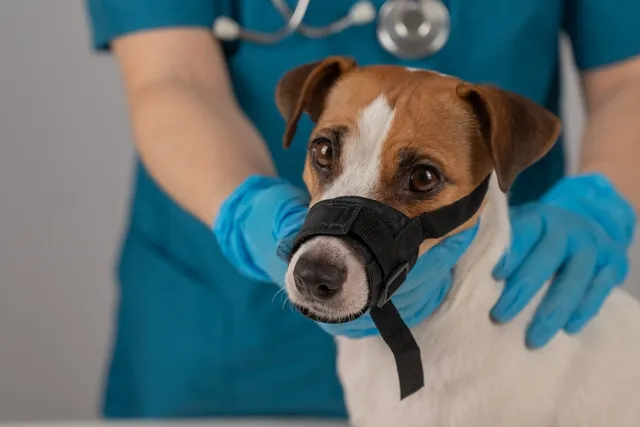
Soft or “sleeve” muzzles: These are often used in places like the vet’s office, as they are more fitted over the snout but limit panting and drinking. They are best for very short and temporary use, such as nail trims or blood samples. They are often made from fabric or leather and slide securely over your dog’s snout.
Homemade muzzles: This is an emergency restraint and is only used for a brief time. They can be made from anything that’s on hand, such as a roll of bandage, gauze, or even a spare leash. You make a loop to go over the dog’s snout, cross over the ends under their chin, and then wrap it around the back of the head to tie it firmly in place. Again, these types allow limited panting and drinking and should only be used in emergencies.
Pros
- Prevent Biting
- Keep humans and dogs safe
- Assist with behavior training
- Prevent ingestion of inappropriate items
- Widely available
- Relatively affordable
- Dogs can be trained to accept them
Cons
- Can only be used for short periods
- The correct size is needed
- Your dog must be supervised
- Can limit panting, drinking, and eating, depending on the type
- May cause distress if the dog is not trained to accept it
Overview of Gentle Leaders
Unlike a muzzle, a gentle leader is not designed to restrict your dog's ability to open their mouth, nor do they prevent biting. While the straps are still fitted loosely around your dog’s snout, they work by gently guiding and controlling your dog's head when on the leash, encouraging better behavior during walks. The gentle leader consists of a nose loop and a neck strap, which work together to redirect the dog's attention without causing discomfort.
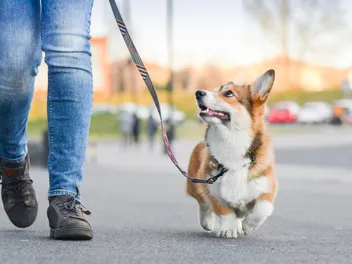
Gentle leaders are an effective accessory for training and behavior management. By applying gentle pressure on the snout and the back of the neck, the gentle leader gives you more control over your dog’s head so that you can redirect their head and eye contact toward you when they start to pull. This helps prevent pulling and lunging during walks. They reduce the strain on your leash and arm to promote a calmer walking experience.

When to Use a Gentle Leader
Use gentle leaders when you want to promote good and wanted behavior and to have better control. If your dog tends to pull or lunge or be bossy, hyperactive, noisy, or exhibit unruly behavior on walks, a gentle leader is an excellent product. These can gently and smoothly help redirect their attention and encourage more relaxed walking, but they can also be useful for dogs who have difficulty focusing or those who are easily distracted during walks. They are particularly beneficial when there is difficulty controlling a strong or reactive dog.
Pros
- Humane and effective way to control a dog’s head
- Redirects your dog’s attention
- Reduces pulling, lunging, and other poor behavior while out walking
- Widely available
- Relatively cheap to buy
- Makes walks more enjoyable and calmer
Cons
- May be uncomfortable for some dogs
- Takes time to adjust to
- The correct size, fit, and use are needed
- Does not prevent or offer safety against aggression
- Does not replace good training
Should I Use a Muzzle or Gentle Leader?
It is essential to consider your dog's specific needs and behavior carefully, as your choice will depend on this answer. If your dog has a history of aggression, is a scavenger while on a walk, or poses a risk to others, then a muzzle may be necessary for safety reasons or legal requirements. However, it should always be used in conjunction with positive training methods and under the guidance of a professional. Do not ever use them as punishment, as this might break the bond between the two of you and worsen their behavior. If your main concern is managing pulling, lunging, excessive barking, and unwanted behavior during walks, a gentle leader is a better option to promote control and a more enjoyable walking experience. It is important to introduce the gentle leader gradually and ensure that it fits properly for maximum effectiveness. The muzzle and gentle leader are both tools to help you manage your dog, which should be used in combination with training to overcome the behavior you are concerned about. Ask for advice from your veterinarian, dog trainer, or canine behaviorist if you are unclear or uncertain about which is the ideal product for your dog and situation.
Conclusion
In conclusion, muzzles and gentle leaders are two distinct tools that serve different issues. A muzzle is primarily used for safety reasons, like to prevent biting or eating unwanted objects, while a gentle leader is focused on behavior management and promoting better control during walks. Both require responsible usage and positive training methods. Ultimately, the choice between a muzzle and a gentle leader depends on your dog’s specific needs and behavior. By understanding the differences and considering your dog's individual circumstances and traits, you can make a correct and proper decision to ensure the well being and safety of your beloved canine companion.
Featured Image Credit: (L) krushelss, Shutterstock | (R) IArisul, Shutterstock
Expert dog care, straight to your inbox
News, insights, expert advice, and everything dog.

No spam — unsubscribe anytime.
By signing up, you agree to our Terms & Conditions and Privacy & Cookies Policy.
How useful was this post?
Click a star to rate. You can leave written feedback afterwards. (We read all feedback.)
Annaliese qualified as a veterinary nurse from Edinburgh in Scotland and went on to obtain a diploma in advanced veterinary nursing in surgery from London. Throughout this time, she worked in both small and mixed veterinary practices and gained head nurse status. Responsible for training other veterinary nurses she also ran the nursing department, nurse clinics and patient care protocols. She has looked after thousands of patients and owners and created new higher standard nursing regimes, whilst specializing in surgery and anesthesia. After being asked to co-author numerous veterinary nursing textbooks, Annaliese continued to write for further mainstream publications in the UK and USA and after twenty-plus years in both the veterinary and pet care professions , she hung up her scrub suit and now writes full-time.