5 Dog Training Rituals: Vet-Approved Tips to Help Your Pup Learn

In this article
Dogs thrive with routine and predictability in their life, which is why training rituals can be beneficial. Rituals are predictable for dogs because they are based on repetitions. Dogs like to know what to expect during training and what behaviors to show during different training events. Rituals can help establish a routine your dog is familiar with.
So, how do training rituals help your dog learn? This article has the answers for you.

How Do They Work?

A training ritual is a repetitive routine or cue that is established to communicate with your dog. Once the ritual is established, it can be repeated to signal different training events at any time. It provides dogs with structure and consistency so that training can be expected, helping to set the right tone and making them feel confident. Dogs learn best when they feel confident, and a training ritual can help achieve this. Making the training fun and engaging for your dog is the key to a training ritual working well. At the end of the training, you can also “release” them with a key word, which lets them know that the training session is over and their time is their own again.
Dog training rituals can be used to signal the start or end of training using cues. This is important for canine sports or competitions as dogs may benefit from knowing when they are expected to focus and perform. The cues could be phrases such as “Let’s start training” or “Stop training” that dogs have been trained to respond with the appropriate behaviors following each cue. You don’t need to use these specific cues for training rituals and can adjust the wording to your liking. However, it’s important to keep the cues short and consistent so it is easy for your dog to understand.
You don’t necessarily need to use a verbal cue to signal the start of training, as dogs can easily associate a certain location with the start of training. You could also create a training ritual in a specific location where your dog usually trains or needs to perform for competitions. Taking your dog to a specific tree in the garden could be a signal they associate with the start of training. You don’t even need to give any verbal cues for them to make the association.
Some dogs can associate accessories with the start of a training session or ritual too. This could be a collar they usually only wear when training and when you put it on, you signal to them that training has begun.
What Are the Different Types of Dog Training Rituals?
1. Starting Training Rituals
This type of dog training ritual involves giving your dog cues to signal the start of training. It can either be a verbal or environmental cue, such as a specific location or accessory. However, you will first need to help them learn what your cues mean and what behavior you expect from the cues.
For example, if you take your dog to the backyard after breakfast to train every day, you have created a training ritual that signals to your dog the beginning of training.
2. Ending Training Rituals

This is a cue to signal the end of training and it can be verbal, a hand signal, or an environmental cue. If you were to start your dog training session by saying, “Let’s start training”, your dog will know it is time to train and give you their focus. When you say, “Stop training”, you signal that training is over and they can relax. Another way to signal the end of training is to call your dog to you and place their leash on them.
Over time, they will associate their leash as a signal that training has ended.
3. Focus Training Ritual
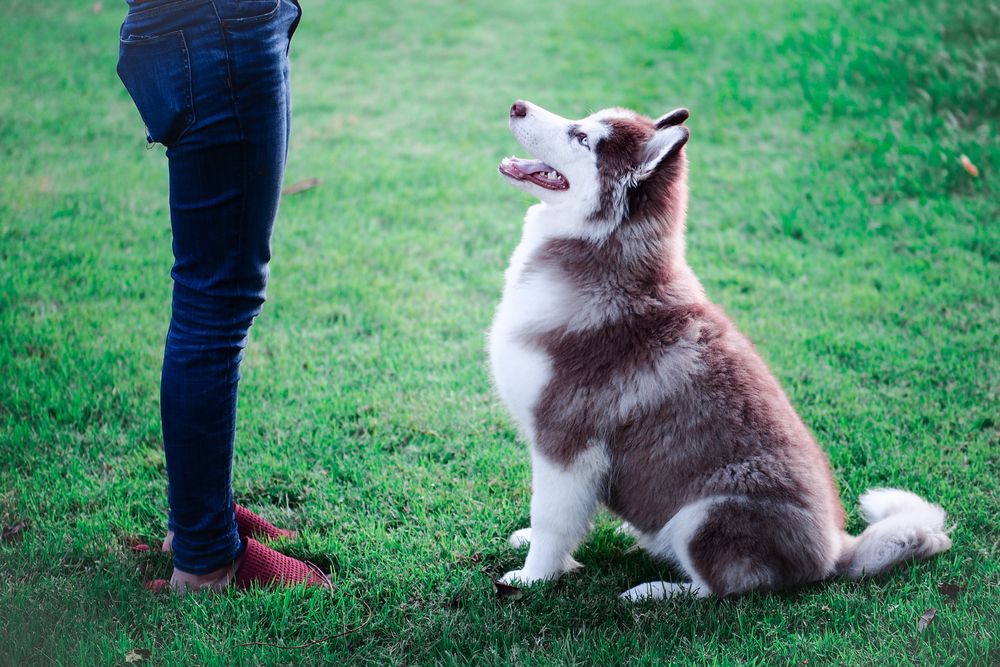
Getting your dog used to looking at you and making eye contact before receiving the next command helps to increase their focus and decrease anticipation-based confusion. An attentive dog accustomed to looking at their trainer for cues and feedback has a better chance of success than a dog that gets easily distracted, loses focus, or anticipates cues before receiving them.
4. Competition Training Rituals
Training rituals are important for dogs in competitions or canine sports. You will need to give them a cue, so they know when to perform and when to stop and return to you. This can be done using cues that signal the start and end of training rituals.
5. Routine Training Rituals

Dogs enjoy routine and it helps them feel more comfortable and secure. If certain daily activities lead up to your dog’s training session, your dog can associate the repetitions with the start of training. For example, if your dog eats breakfast and gets a brush right before training, then they anticipate training to follow as part of the routine.
The training ritual could also begin at a specific time your dog associates with training.
Why Are They Used?
Training rituals are used to create structure and routine in your dog's life which can help them know what to expect and support their confidence and learning. They are most useful to signal the start and end of a training session. When your dog gets the signal that training has started, they will hopefully give you their focus for the remainder of training, in anticipation of games and rewards. If your dog didn’t have a signal that training has started, they probably won't be as focused during training. You want your dog to be focused during training so that they can learn better.
Furthermore, training rituals are beneficial for competitions as your dog will await your cue to signal that they must start performing or exit the ring.

Advantages of Dog Training Rituals
- Creates a routine your dog is familiar with.
- Signals the start or end of a training session.
- Encourages a dog to concentrate on training so they can learn better.
- Helps strengthen your bond and create a mutual understanding.
- Helps a dog perform during canine sports or competitions.
- Offers predictability and comfort to your dog's daily routine.
- Works well for training new tricks.
Disadvantages of Dog Training Rituals
- Disruptions in the training rituals could make your dog confused.
- Dogs could be unmotivated to train without following the training ritual they are accustomed to.
- Dogs are always learning, even outside of the training rituals, so dog owners could get the wrong message.
- Does not work well for changing bad habits around the home.

Does Every Dog Need a Training Ritual?
Not every dog needs to have a training ritual and it is up to you to decide if you want to establish one. However, there are numerous advantages to establishing a dog training ritual that make it worth considering.
Training rituals can help your dog learn better during training. It encourages them to focus on training and allows you to communicate with them. Sometimes, training rituals can be established unintentionally. This naturally happens when dogs associate specific things with training. For example, they might notice that when you put your shoes on and take them outside training is starting. Furthermore, training rituals are comforting because they are predictable and repetitive.
Final Thoughts
Training rituals offer dogs a familiar routine and cues, which make it easier for them to focus on training. Dogs benefit from the structure a training ritual provides and tend to learn better when they know what to expect. Training rituals help signal the start and end of training, which is useful when dogs are performing in competitions.
Although many training rituals are often established unintentionally, you can create one with specific cues you want your dog to associate with training.
See Also:
Sources
Featured Image Credit: BehindBooEyes, Shutterstock
Expert dog care, straight to your inbox
Vet-reviewed advice, training tips, and the best of Dogster. Free, and you can unsubscribe anytime.
By signing up, you agree to our Terms & Conditions and Privacy & Cookies Policy.
Sarah lives in South Africa with her partner and pets. She is currently interested in veterinary science and ichthyology, which she wants to study alongside her main passion: pet content writing. Sarah has over 60 fish including: goldfish, tropicals, shrimp, and snails. She also keeps hamsters and a tarantula. Sarah wishes to provide quality content to readers and allow others to learn from her experience and knowledge. Sarah has much experience in all aspects of pet care. Providing the world with the knowledge on ethical pet ownership is her lifelong dream.
Join the conversation
Ask a question, share your story, or send private feedback.